







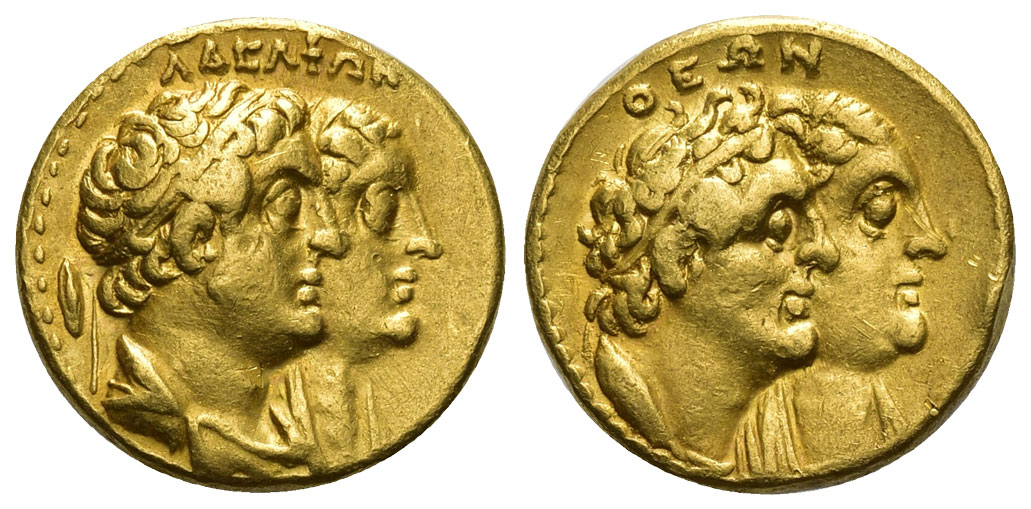
AV Tetradrachm (282–272 BC),
King Ptolemy II and Queen Arsinoe II.
From the major collection of Alexandria mint.
Condition: vf+
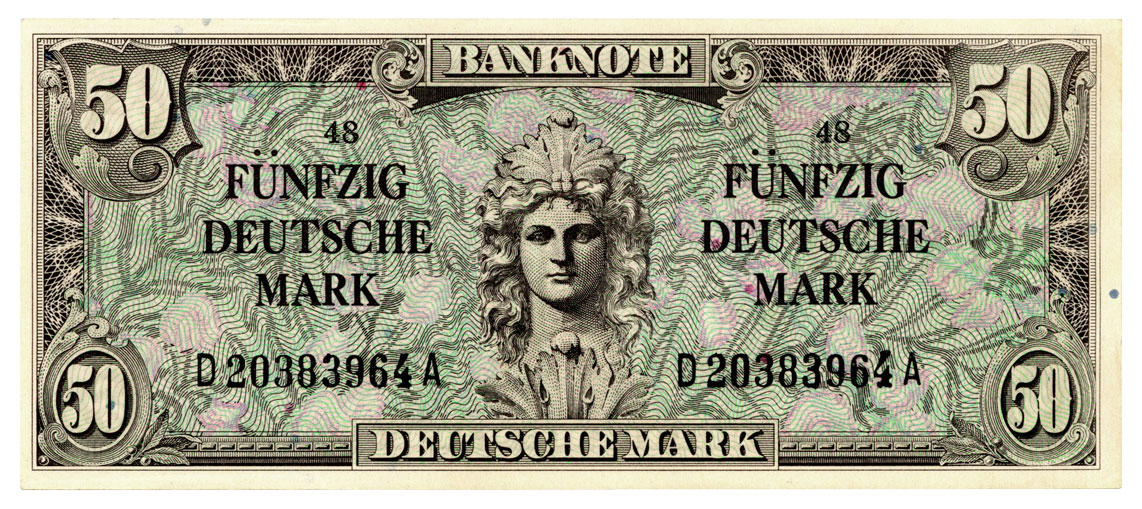
50 Deutsche Mark o.D. ( 1948-1949) "Liberty".
Condition: extremly rare, I
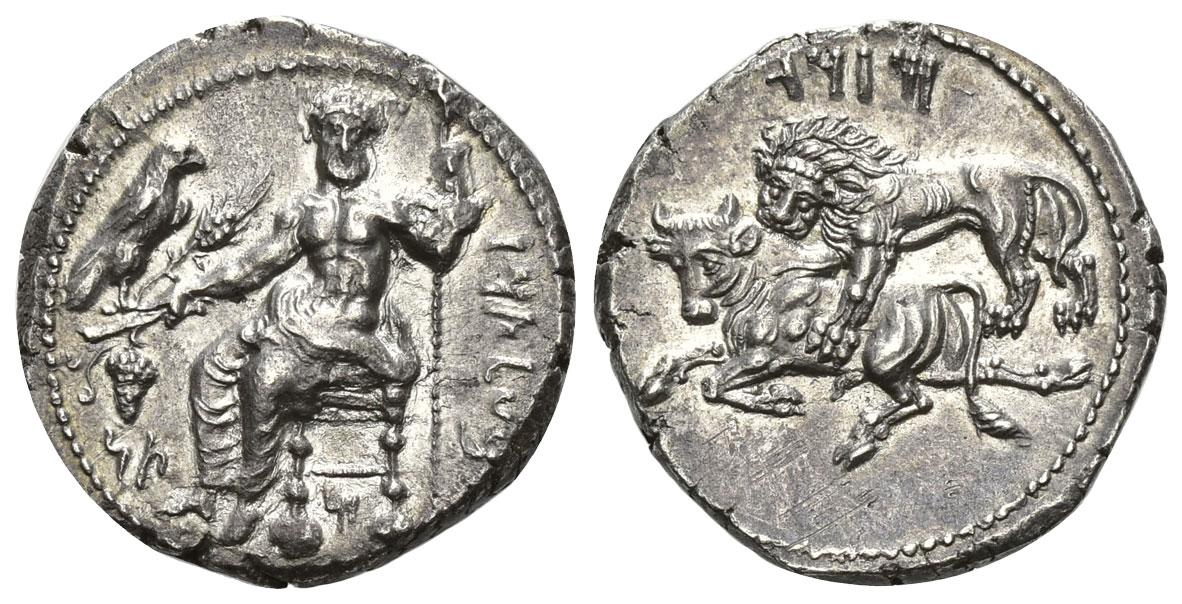
AR Stater (361-334 BC).
Obv. Baal of Tarsos.
Conditon: ef
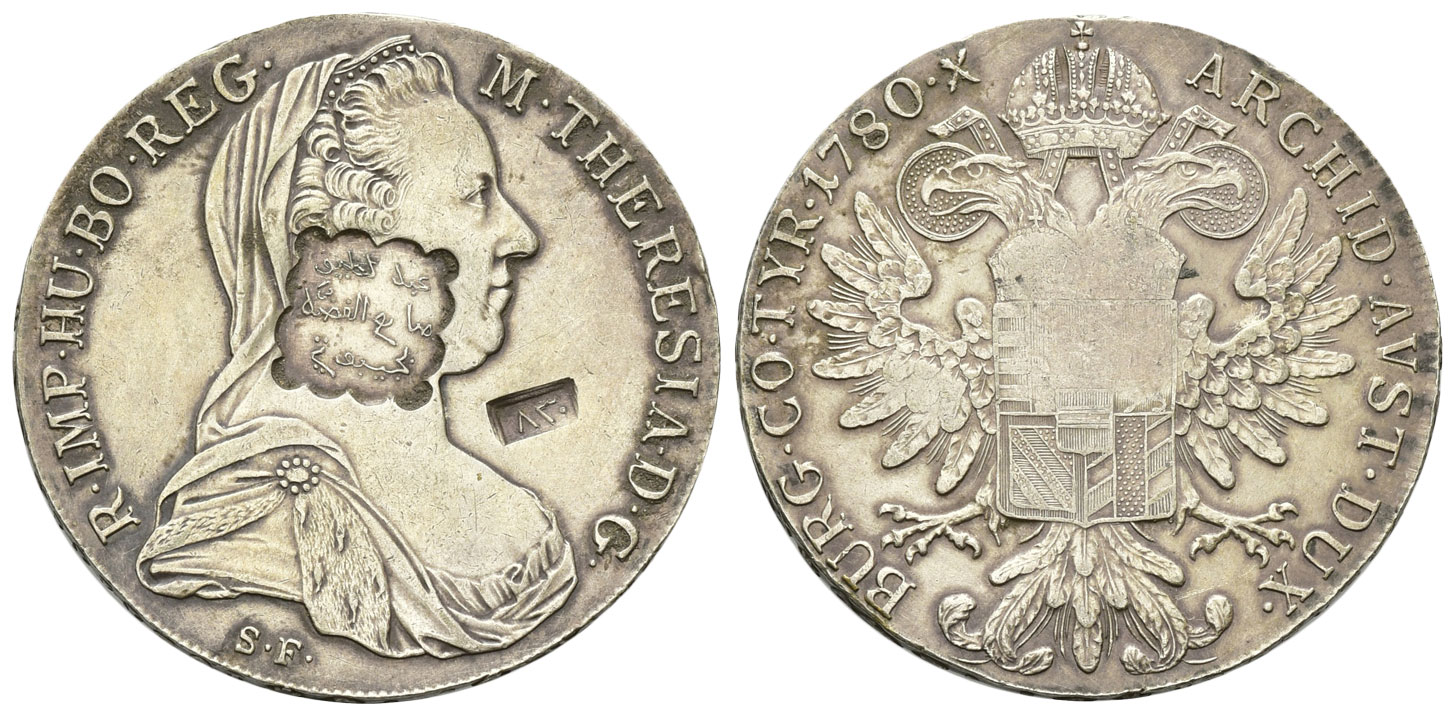
Taler 1780 SF
with counter stamp Djibouti (1870-1900).
Condition: vf
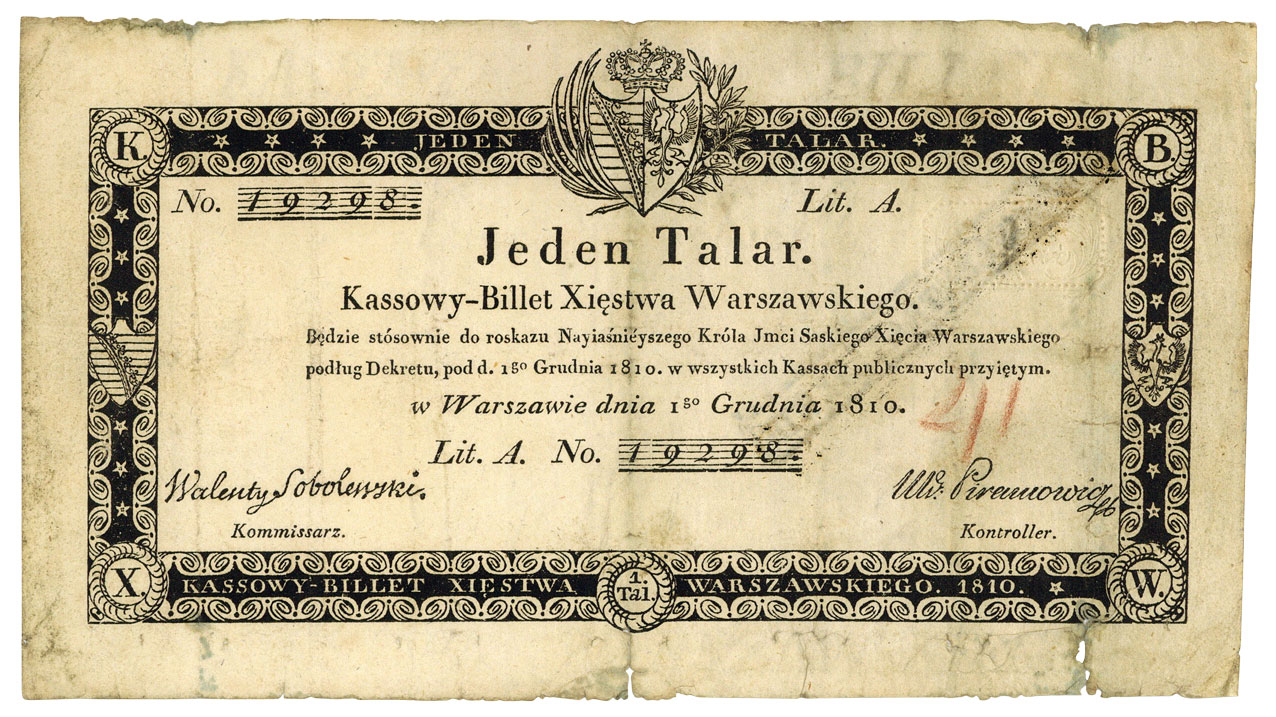
1 Talar 1. December 1810.
Condition: III-IV
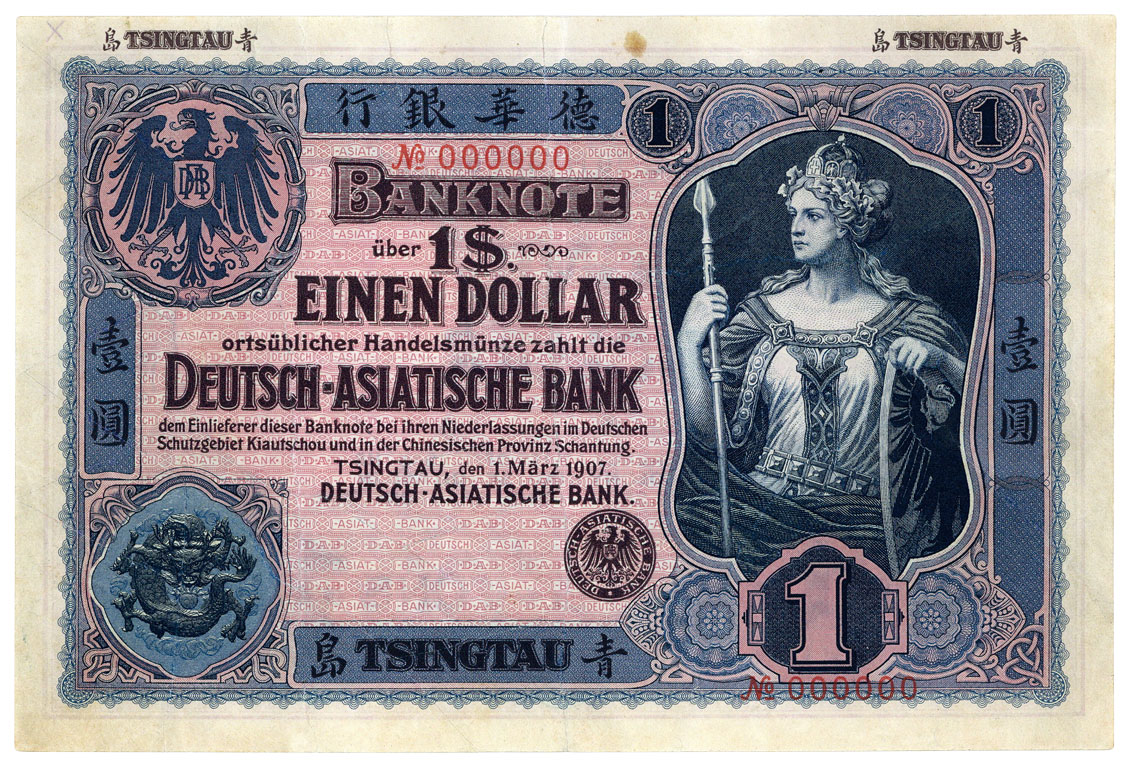
1 Dollar 1.3.1907, Tsingtao.
Condition: very rare, restored
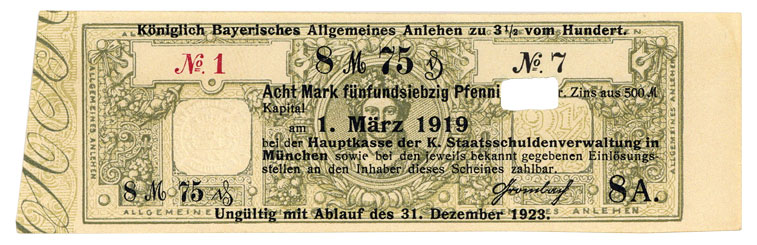
Royal Bavarian General Loan.
8.75 Marks, March 1, 1919.
Condition: rare, I
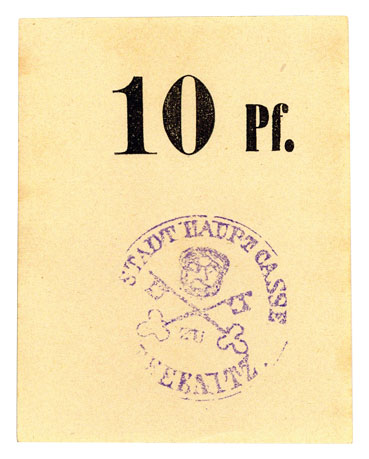
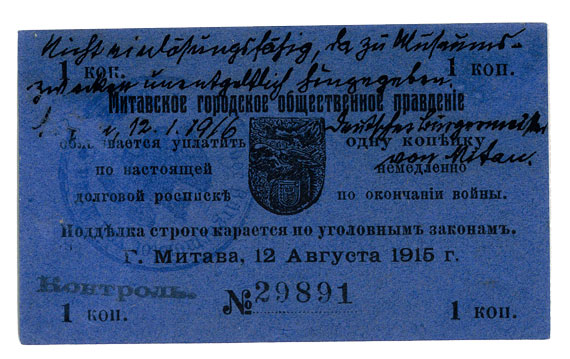
Archive: People and Markets
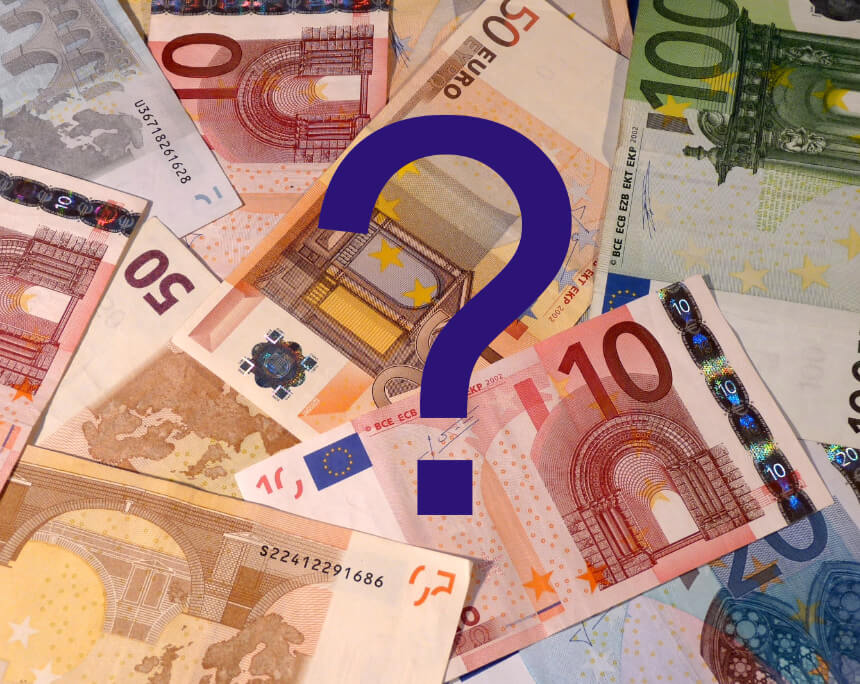
New Euro Banknotes – It Will Be One of These Two Themes
It is intended that euro banknotes are redesigned every 10 to 15 years. This is a long process that already has been going on for a while. The search is currently on for a theme for the future designs. Two finalists have now been chosen.
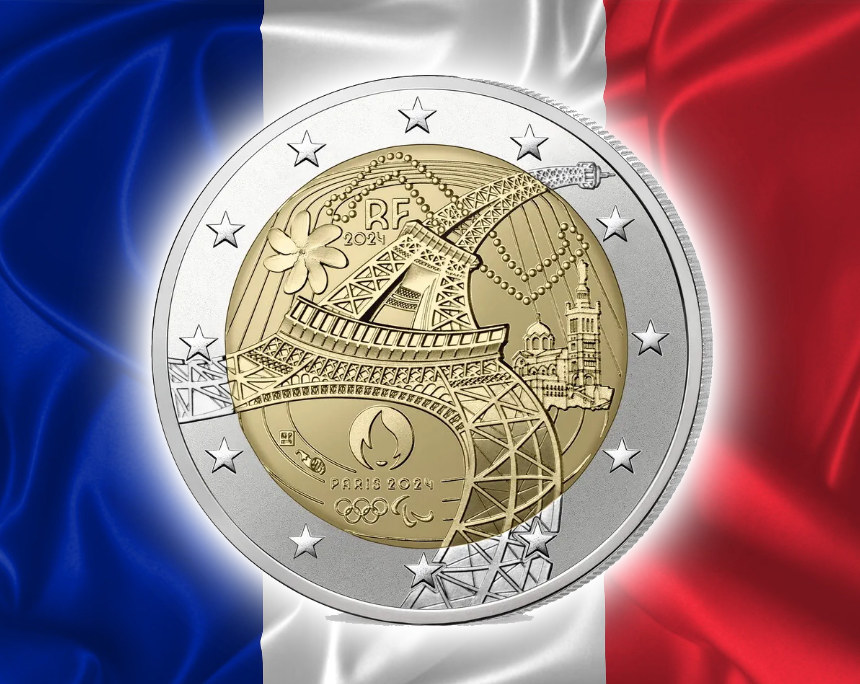
Monnaie de Paris Faces Criticism from Enthusiastic Collectors
As athletes around the world prepare to deliver top performances at the Olympic Games, the Monnaie de Paris – France’s prestigious mint – has disqualified itself in the eyes of many collectors for unsporting behaviour. What happened?
Archive: Coins, Medals and more
 https://new.coinsweekly.com/wp-content/uploads/2023/06/00-6.jpg
489
1001
Bruno
https://new.coinsweekly.com/wp-content/uploads/2023/01/logo-coinsweekly_590x204.png
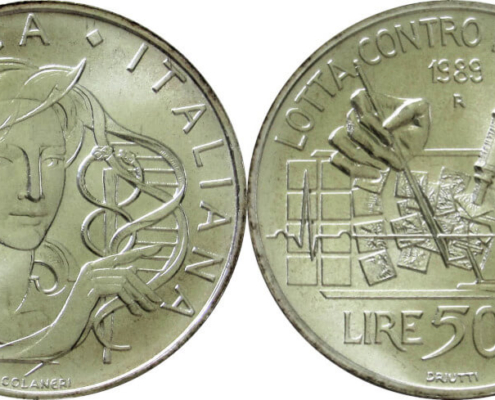
Bruno2022-06-13 12:59:122023-07-03 13:07:57Numismatic Issues Concerning Health, Medicine and Women in Times of Covid, Part 3: Personifications of Health and Medicine
https://new.coinsweekly.com/wp-content/uploads/2023/06/00-6.jpg
489
1001
Bruno
https://new.coinsweekly.com/wp-content/uploads/2023/01/logo-coinsweekly_590x204.png
Bruno2022-06-13 12:59:122023-07-03 13:07:57Numismatic Issues Concerning Health, Medicine and Women in Times of Covid, Part 3: Personifications of Health and Medicine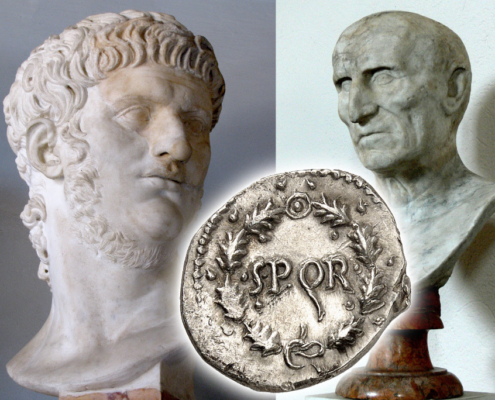 https://new.coinsweekly.com/wp-content/uploads/2024/11/2024KW45HA1_00.jpg
684
860
Bruno
https://new.coinsweekly.com/wp-content/uploads/2023/01/logo-coinsweekly_590x204.png
Bruno2024-11-07 08:49:152024-11-08 14:14:32The Roman Civil War of 68/9: The Prelude to the Year of the Four Emperors
https://new.coinsweekly.com/wp-content/uploads/2024/11/2024KW45HA1_00.jpg
684
860
Bruno
https://new.coinsweekly.com/wp-content/uploads/2023/01/logo-coinsweekly_590x204.png
Bruno2024-11-07 08:49:152024-11-08 14:14:32The Roman Civil War of 68/9: The Prelude to the Year of the Four Emperors
CoinsWeekly and Numista
Would you like to discuss our latest articles with like-minded people? You can now easily do so in the Numista forum!
Our Who’s Who Is Here!
Our entire Who’s Who for numismatists and collectors is now available on our new website. This is another important step on our path towards transitioning from our old to the new site. And there is more!