







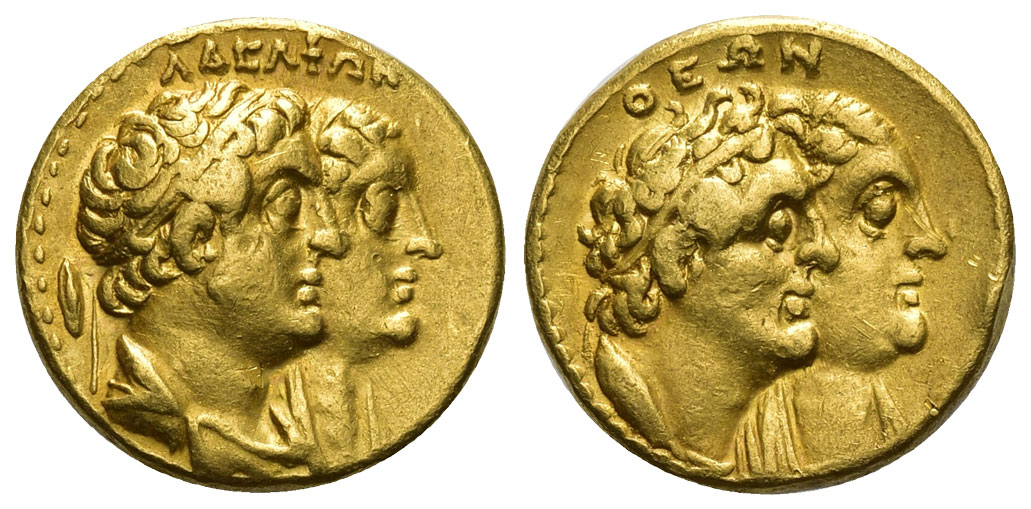
AV Tetradrachm (282–272 BC),
King Ptolemy II and Queen Arsinoe II.
From the major collection of Alexandria mint.
Condition: vf+
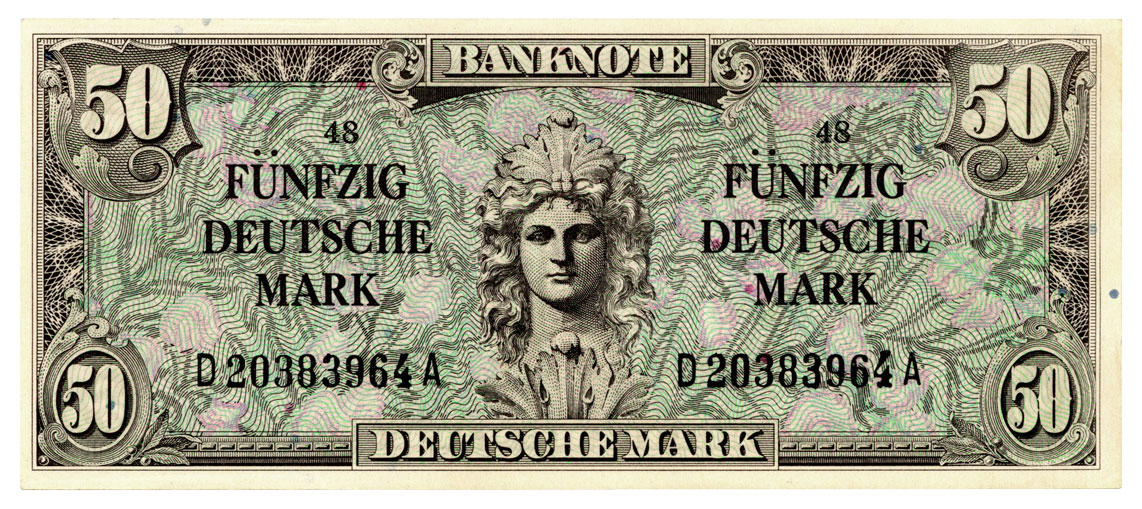
50 Deutsche Mark o.D. ( 1948-1949) "Liberty".
Condition: extremly rare, I
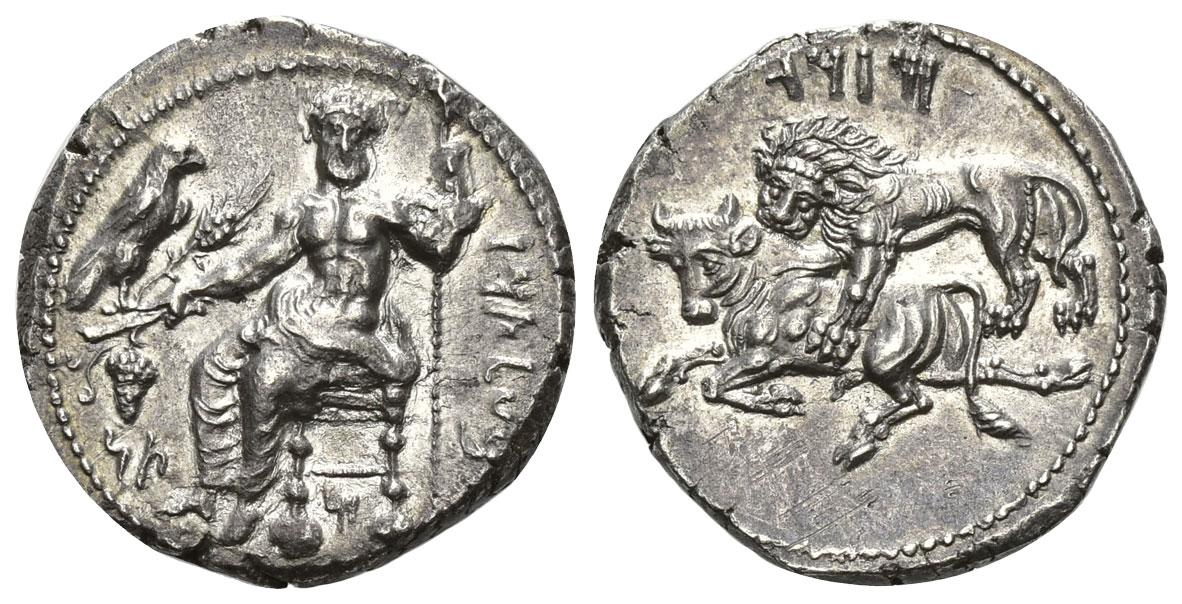
AR Stater (361-334 BC).
Obv. Baal of Tarsos.
Conditon: ef
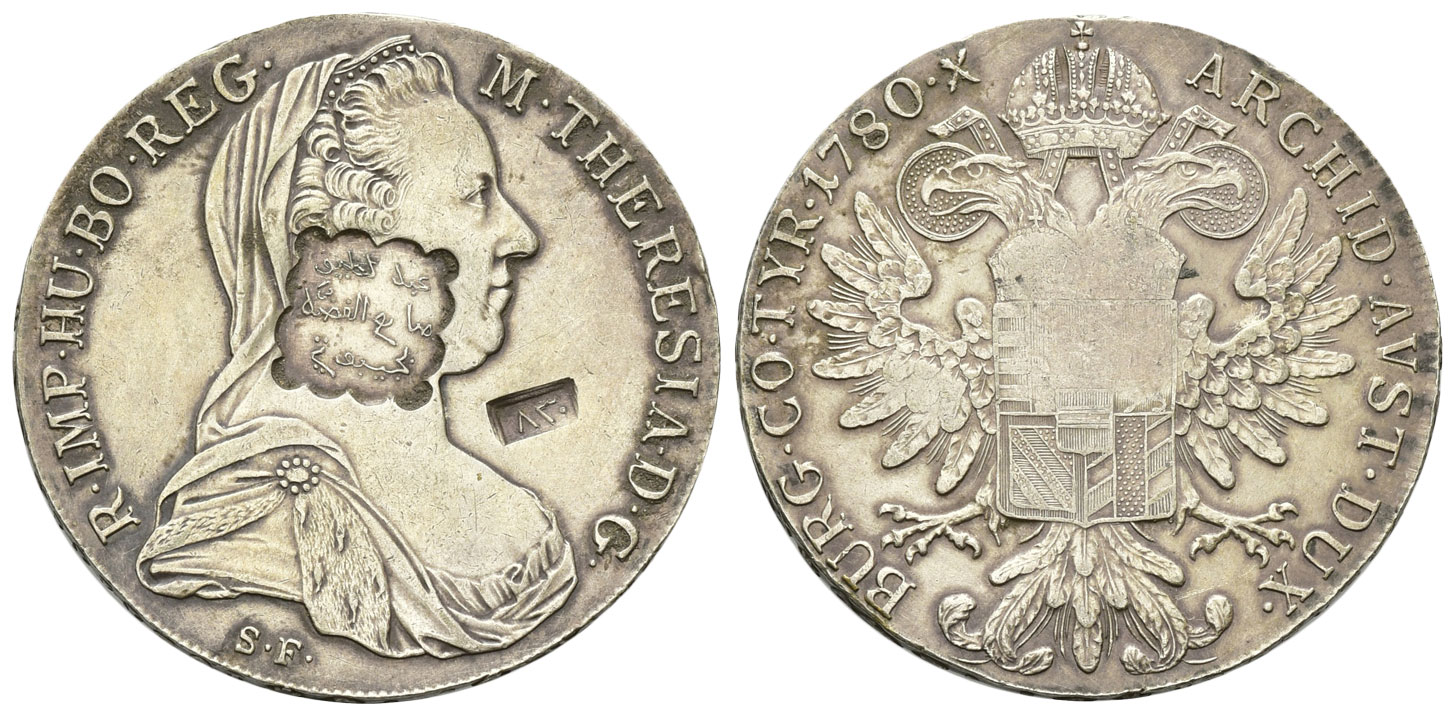
Taler 1780 SF
with counter stamp Djibouti (1870-1900).
Condition: vf
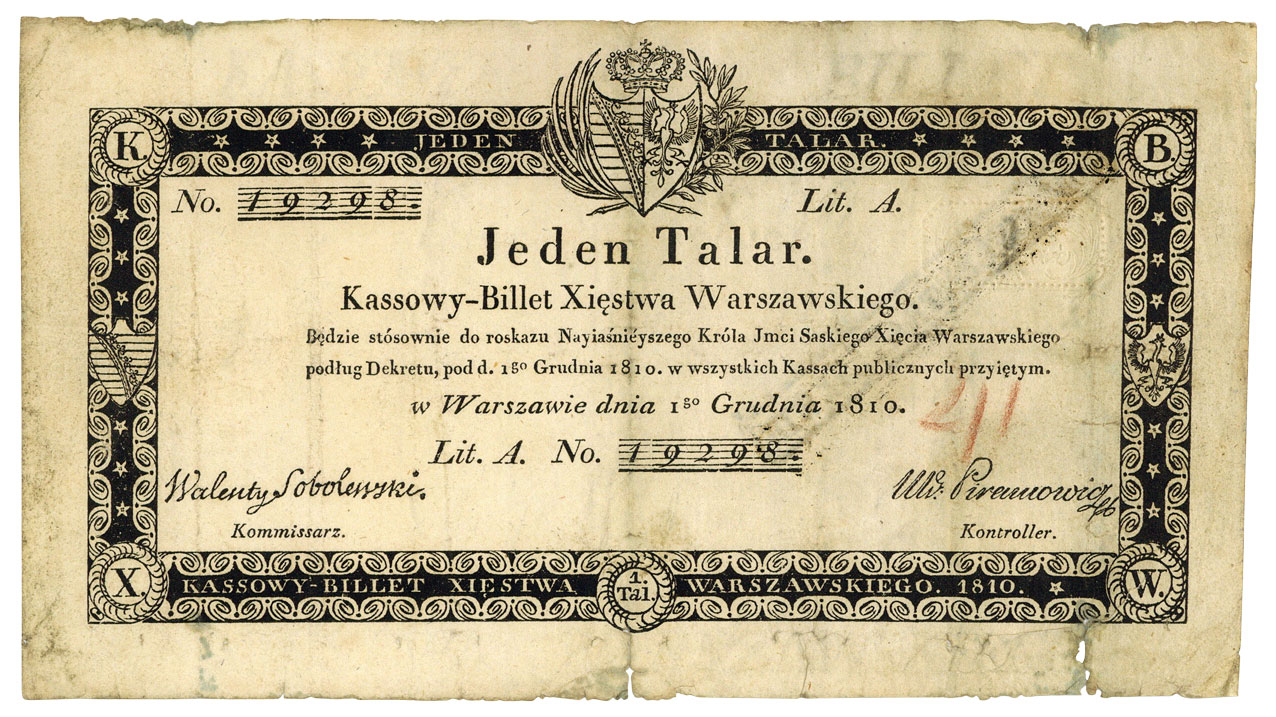
1 Talar 1. December 1810.
Condition: III-IV
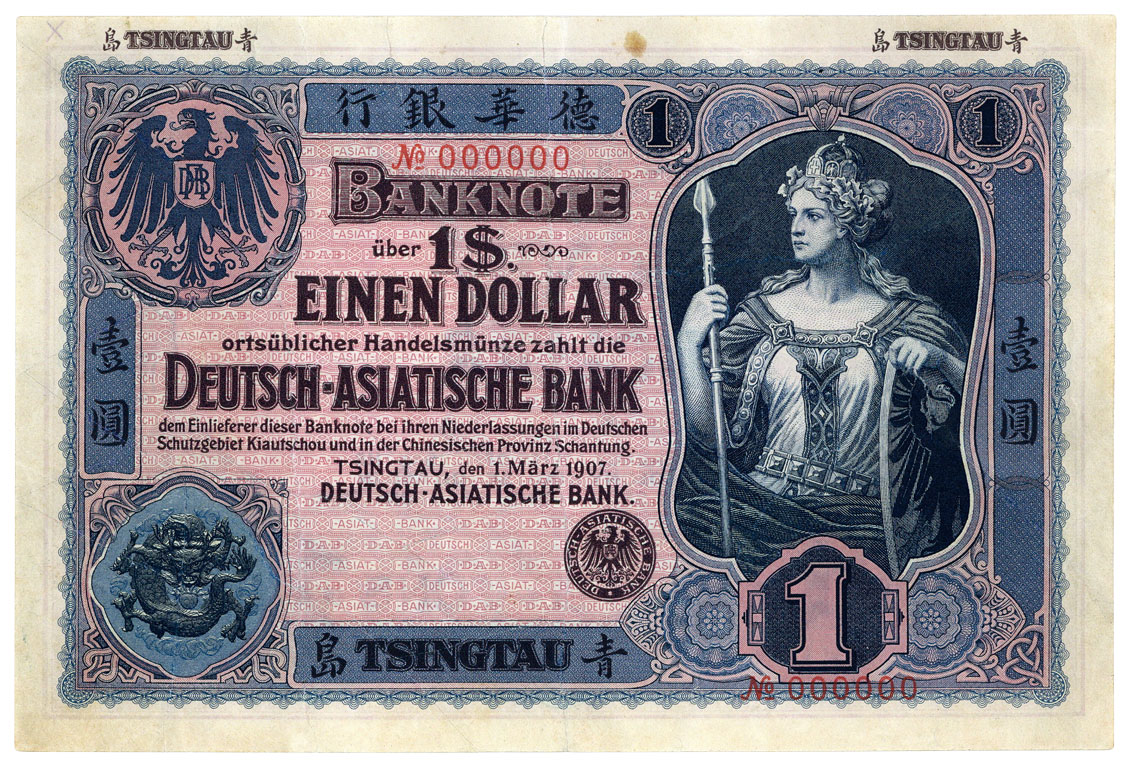
1 Dollar 1.3.1907, Tsingtao.
Condition: very rare, restored
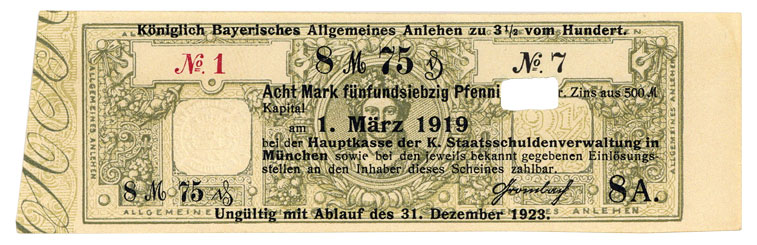
Royal Bavarian General Loan.
8.75 Marks, March 1, 1919.
Condition: rare, I
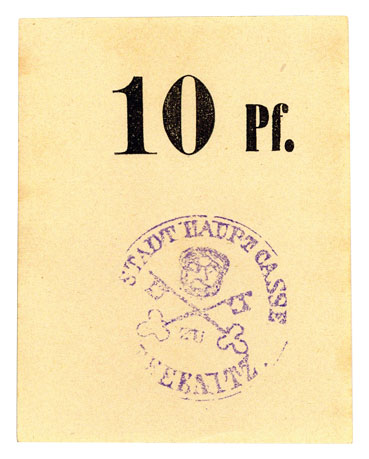
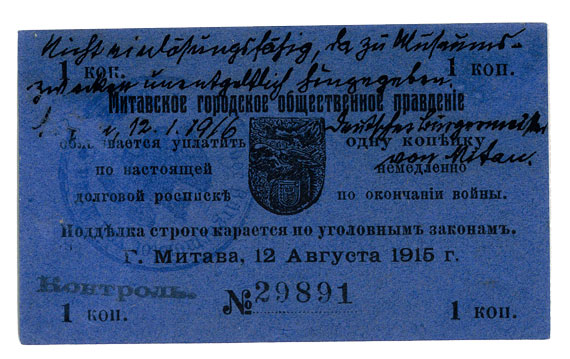
Archive: People and Markets
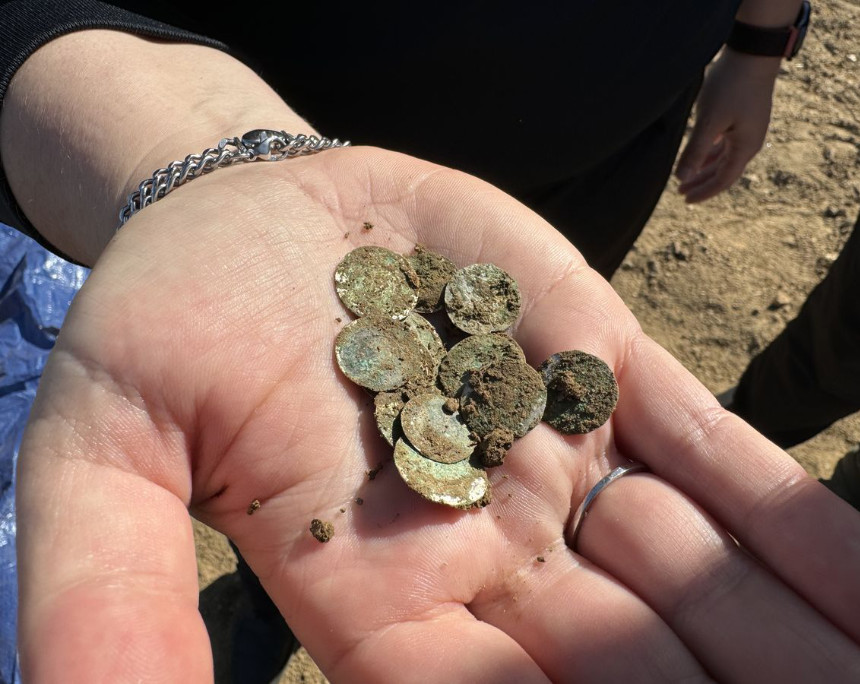
More Than 2,000 Medieval Denarii Discovered in Czechia
It is said to be one of the most important Czech coin hoards of the last 10 years: more than 2,000 coins from the period around 1100 have been discovered near Kutná Hora. The find dates from a time of conflict between members of the Přemyslid dynasty for control of the Prague princely throne.
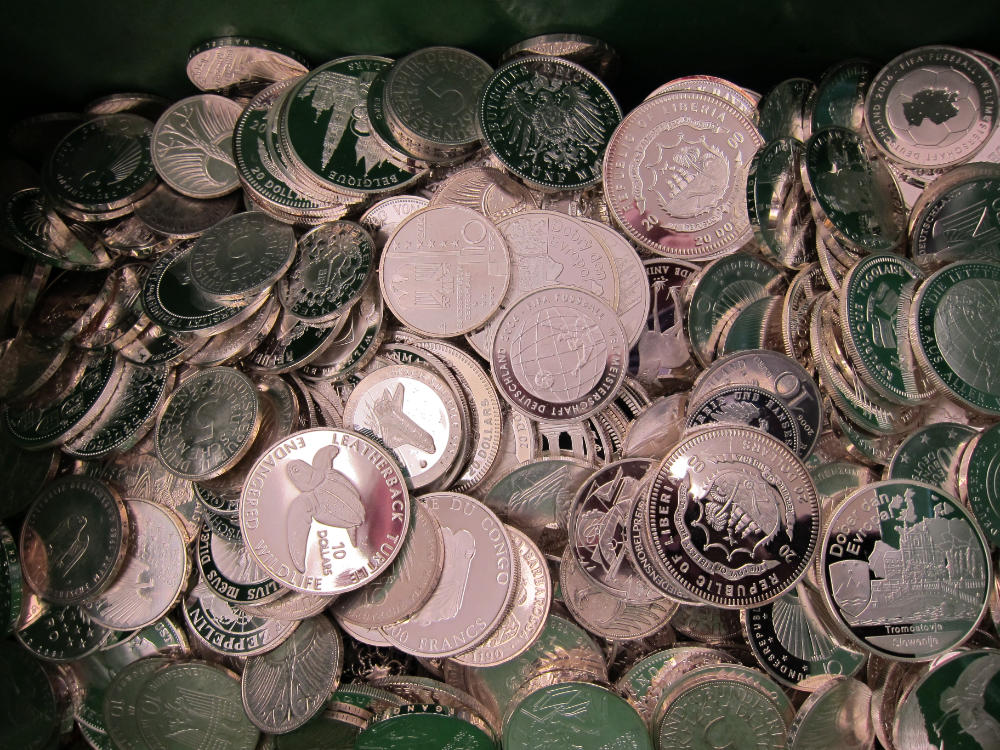
The Difference Between Stamps and Coins: Not as Trivial as You’d Think!
There are times when uninformed people buy anything as long as the object in question might retain its value. Disillusionment strikes when the market situation changes. The realisation that there isn’t a market for every collectible ruined many a collecting field in the past. Ursula Kampmann urges caution.
Archive: Coins, Medals and more
 https://new.coinsweekly.com/wp-content/uploads/2025/01/2025KW04HA01_00.jpg
684
860
Lucie Loechel
https://new.coinsweekly.com/wp-content/uploads/2023/01/logo-coinsweekly_590x204.png
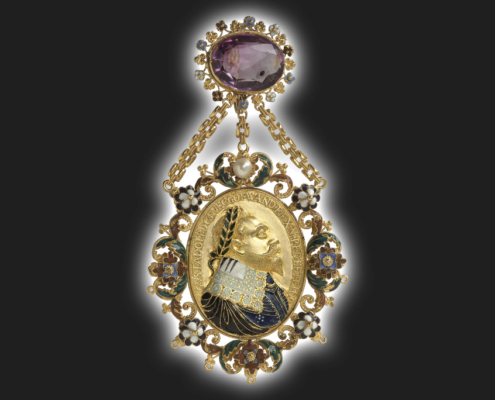
Lucie Loechel2025-01-23 10:04:312025-01-23 14:24:11The Gnadenpfennig – An Object Between Decoration, Medal, and Coin
https://new.coinsweekly.com/wp-content/uploads/2025/01/2025KW04HA01_00.jpg
684
860
Lucie Loechel
https://new.coinsweekly.com/wp-content/uploads/2023/01/logo-coinsweekly_590x204.png
Lucie Loechel2025-01-23 10:04:312025-01-23 14:24:11The Gnadenpfennig – An Object Between Decoration, Medal, and Coin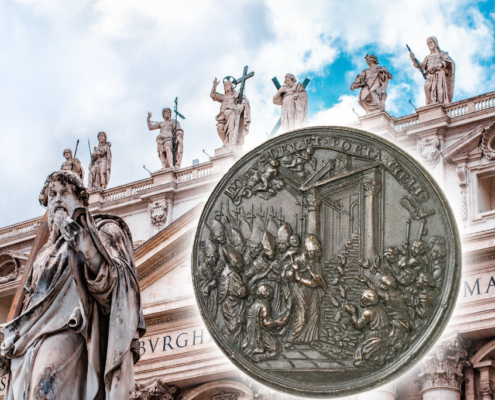 https://new.coinsweekly.com/wp-content/uploads/2024/03/2024KW10HA_00.jpg
684
860
Ursula Kampmann
https://new.coinsweekly.com/wp-content/uploads/2023/01/logo-coinsweekly_590x204.png
Ursula Kampmann2024-03-07 11:39:512024-03-07 14:21:30Coins and Medals of the Popes: Representatives of the Catholic Church
https://new.coinsweekly.com/wp-content/uploads/2024/03/2024KW10HA_00.jpg
684
860
Ursula Kampmann
https://new.coinsweekly.com/wp-content/uploads/2023/01/logo-coinsweekly_590x204.png
Ursula Kampmann2024-03-07 11:39:512024-03-07 14:21:30Coins and Medals of the Popes: Representatives of the Catholic Church
RNS Early Career Lectures 2024: Call for Papers!
The Royal Numismatic Society is looking for two students or early career professionals to give a lecture to its members in February 2024. As this will take place over Zoom everybody from all over the world is encouraged to submit a proposal soon!
Stack’s Bowers Announces 2025 Professional Numismatist Program
If you have ever considered making your hobby your profession, the Stack’s Bowers Professional Numismatist Program offers an opportunity to acquire the skills necessary to be successful in this field.