






Archive: People and Markets

Mark Cartwright is the New MDA Executive Director
The Chair of the Mint Directors Association has announced the appointment of Mark Cartwright as the Executive Director of MDA Ltd.
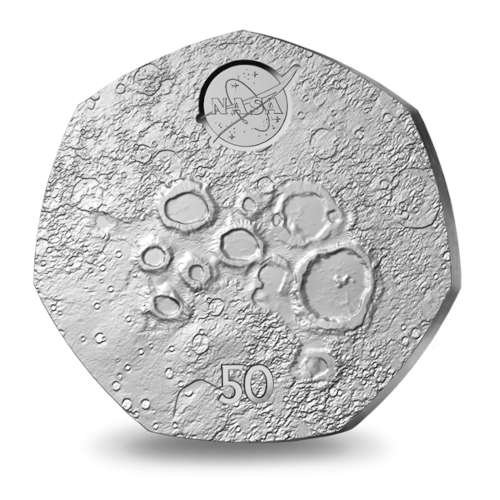
Pobjoy’s 50 Pence Moon Coin
Pobjoy Mint has issued a 50 pence coin featuring the surface of the moon. The coin is available in two versions and comes with special permission granted by NASA.
Archive: Coins, Medals and more
 https://new.coinsweekly.com/wp-content/uploads/2024/02/2024KW08HA_00.jpg
684
860
Ursula Kampmann
https://new.coinsweekly.com/wp-content/uploads/2023/01/logo-coinsweekly_590x204.png
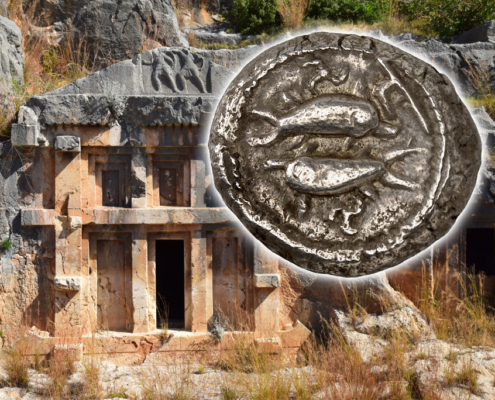
Ursula Kampmann2024-02-22 09:46:292024-02-22 10:15:42The History and Coinage of Lycia
https://new.coinsweekly.com/wp-content/uploads/2024/02/2024KW08HA_00.jpg
684
860
Ursula Kampmann
https://new.coinsweekly.com/wp-content/uploads/2023/01/logo-coinsweekly_590x204.png
Ursula Kampmann2024-02-22 09:46:292024-02-22 10:15:42The History and Coinage of Lycia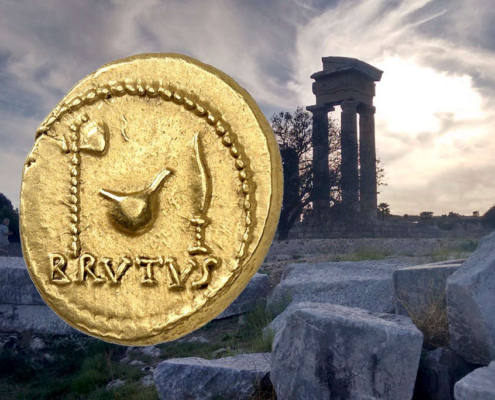 https://new.coinsweekly.com/wp-content/uploads/2024/10/2024KW40HA2_00.jpg
684
860
Bruno
https://new.coinsweekly.com/wp-content/uploads/2023/01/logo-coinsweekly_590x204.png
Bruno2024-10-02 13:24:392024-10-15 09:16:49Gold from Rhodes for the Battle for Rome
https://new.coinsweekly.com/wp-content/uploads/2024/10/2024KW40HA2_00.jpg
684
860
Bruno
https://new.coinsweekly.com/wp-content/uploads/2023/01/logo-coinsweekly_590x204.png
Bruno2024-10-02 13:24:392024-10-15 09:16:49Gold from Rhodes for the Battle for Rome
CIT’s Reconstruction – Gorilla
The “Reconstruction” series by CIT will amaze connoisseurs and lovers of innovative minting technology alike. This year will see the release of the second issue in of the series: “Gorilla – Guardian of the Jungle”.
Are Things Becoming Too Colourful? France and Portugal Issue 2-Euro Colour Coins
After six years, two Eurozone countries make use of the opportunity to design commemorative 2-euro coins with a special effect. Until now, official 2-euro coins with colour have been an absolute exception – for they are not at all liked to be seen in Brussels.