






Archive: People and Markets
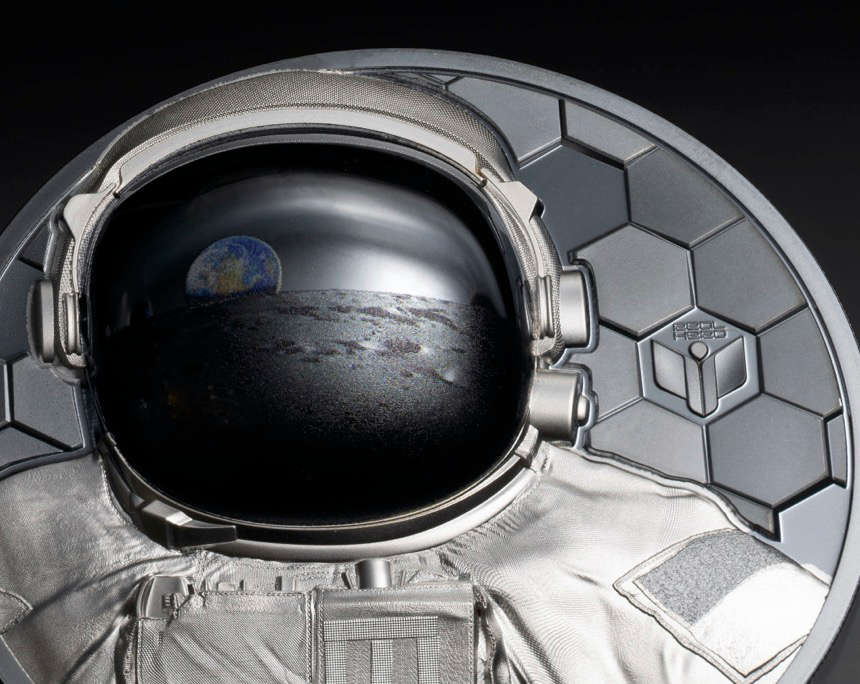
CIT: The Last Issue in the Real Heroes Series – Astronaut
With the last issue of the Real Heroes series, CIT pays tribute to the courage of astronauts. The focus is on an iconic scene that was implemented with technical perfection as a reflection in the visor of a spacesuit.
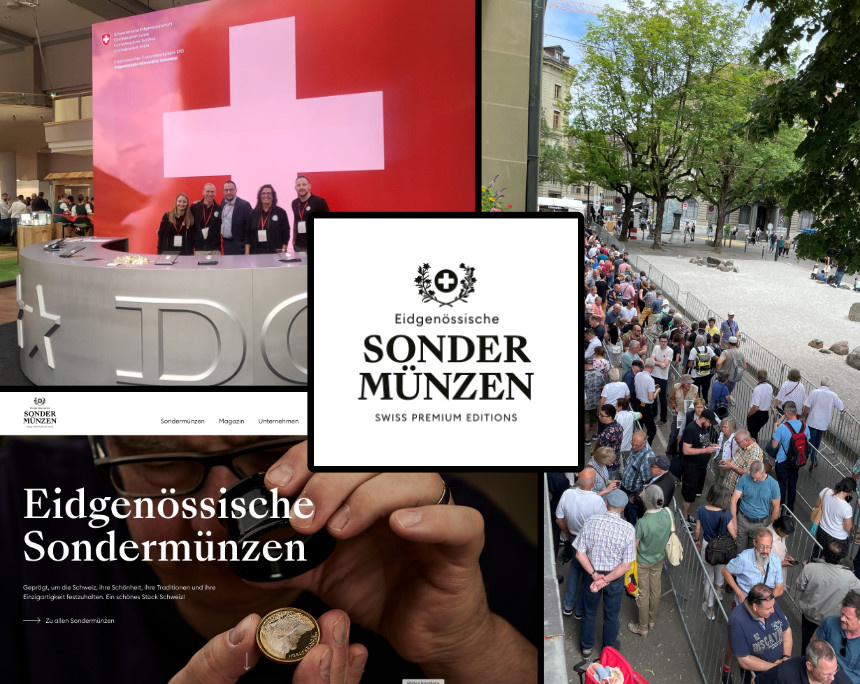
Swissmint as Guest of Honour at the World Money Fair
Modern coins for a modern Switzerland – that is the mission of Swissmint. As the guest of honour at the 2025 World Money Fair, Swissmint has many attractions in store for collectors and visitors. Read on to find out more.
Archive: Coins, Medals and more
 https://new.coinsweekly.com/wp-content/uploads/2023/06/2023KW24HA00.jpg
500
497
Bruno
https://new.coinsweekly.com/wp-content/uploads/2023/01/logo-coinsweekly_590x204.png
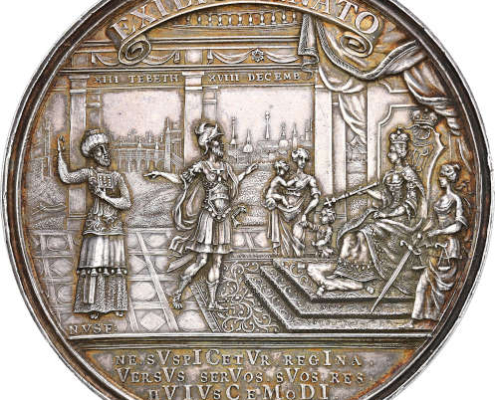
Bruno2023-06-14 09:53:382023-06-27 11:20:26Maria Theresa and Her Persecution of Jews
https://new.coinsweekly.com/wp-content/uploads/2023/06/2023KW24HA00.jpg
500
497
Bruno
https://new.coinsweekly.com/wp-content/uploads/2023/01/logo-coinsweekly_590x204.png
Bruno2023-06-14 09:53:382023-06-27 11:20:26Maria Theresa and Her Persecution of Jews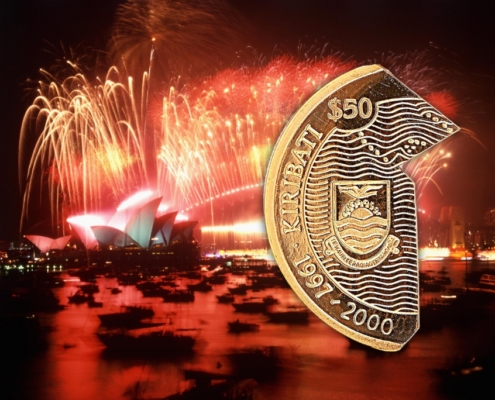 https://new.coinsweekly.com/wp-content/uploads/2025/01/2025KW03HA_00.jpg
684
860
Sebastian Wieschowski
https://new.coinsweekly.com/wp-content/uploads/2023/01/logo-coinsweekly_590x204.png
Sebastian Wieschowski2025-01-16 07:00:032025-01-16 16:55:4925 Years Ago: Millennium Coins and the Dawn of a New Era
https://new.coinsweekly.com/wp-content/uploads/2025/01/2025KW03HA_00.jpg
684
860
Sebastian Wieschowski
https://new.coinsweekly.com/wp-content/uploads/2023/01/logo-coinsweekly_590x204.png
Sebastian Wieschowski2025-01-16 07:00:032025-01-16 16:55:4925 Years Ago: Millennium Coins and the Dawn of a New Era
Third edition of the Swiss Cable Cars series: Schilthorn Cable Car
The third coin in the “Swiss Cable Cars” series puts the Schilthorn in focus. A tribute to a region full of history and significance in the Swiss Alps.
Leu Numismatik Sponsors the New Friedrich Imhoof-Blumer Fellowship in Winterthur
Leu Numismatik is supporting the new Friedrich Imhoof-Blumer Fellowship at the Coin Cabinet in Winterthur, which will be awarded for the first time in 2025. The fellowship, endowed with CHF 3,000, is aimed at early-career researchers working on a numismatic project. Application deadline: June 30, 2025.