







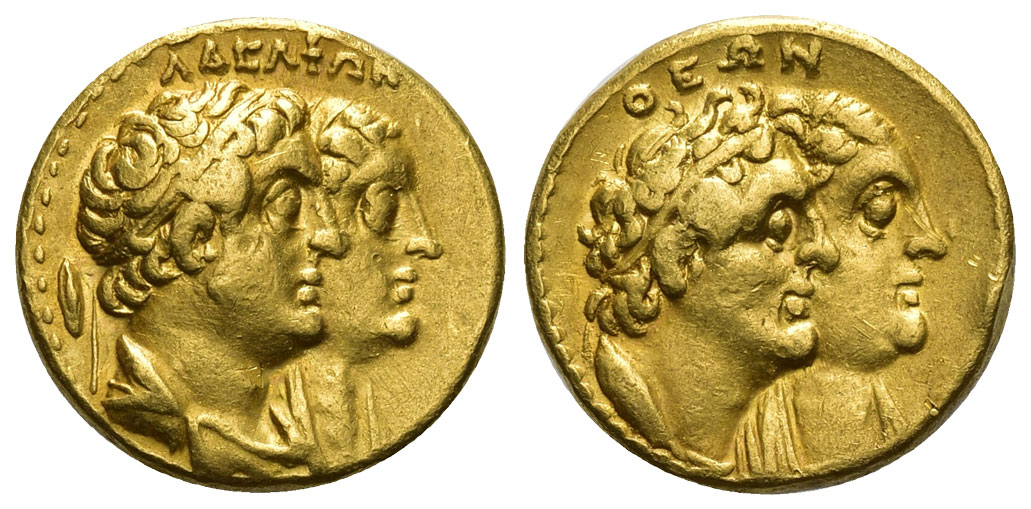
AV Tetradrachm (282–272 BC),
King Ptolemy II and Queen Arsinoe II.
From the major collection of Alexandria mint.
Condition: vf+
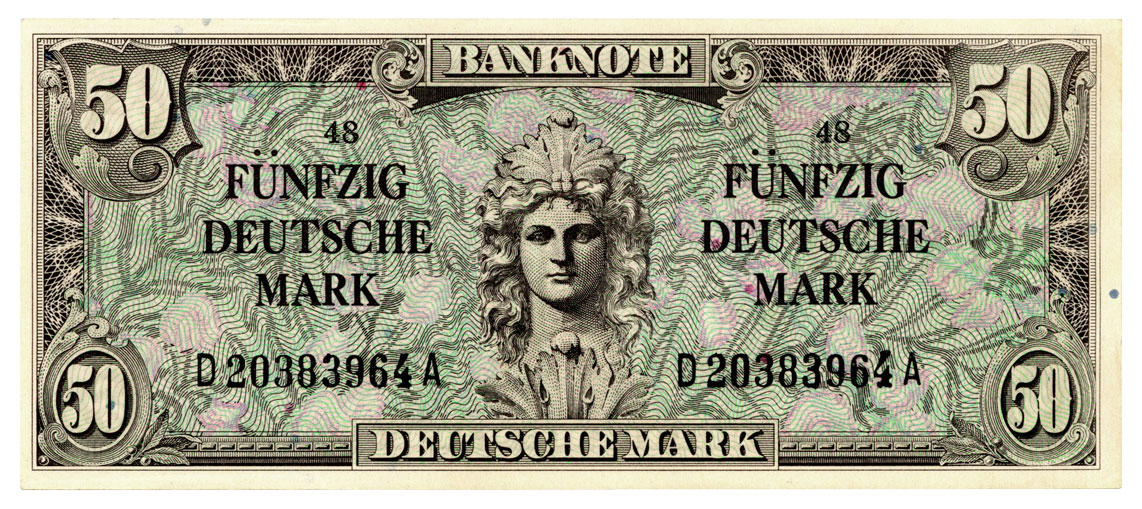
50 Deutsche Mark o.D. ( 1948-1949) "Liberty".
Condition: extremly rare, I
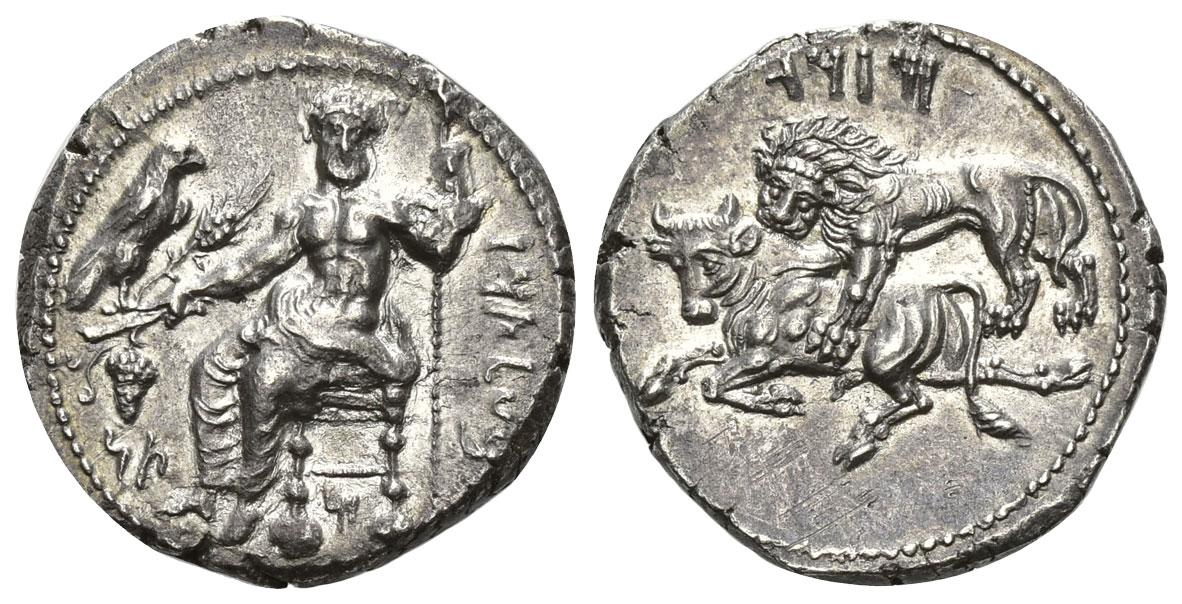
AR Stater (361-334 BC).
Obv. Baal of Tarsos.
Conditon: ef
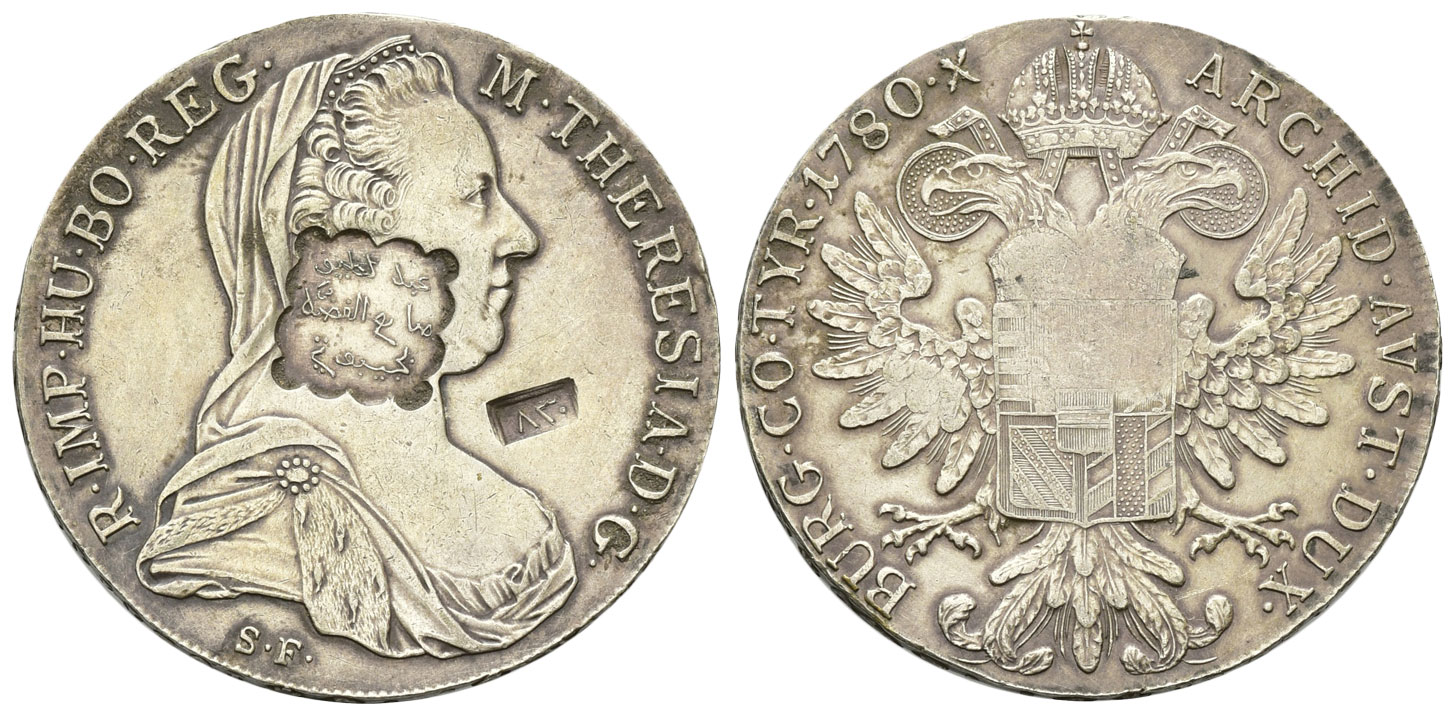
Taler 1780 SF
with counter stamp Djibouti (1870-1900).
Condition: vf
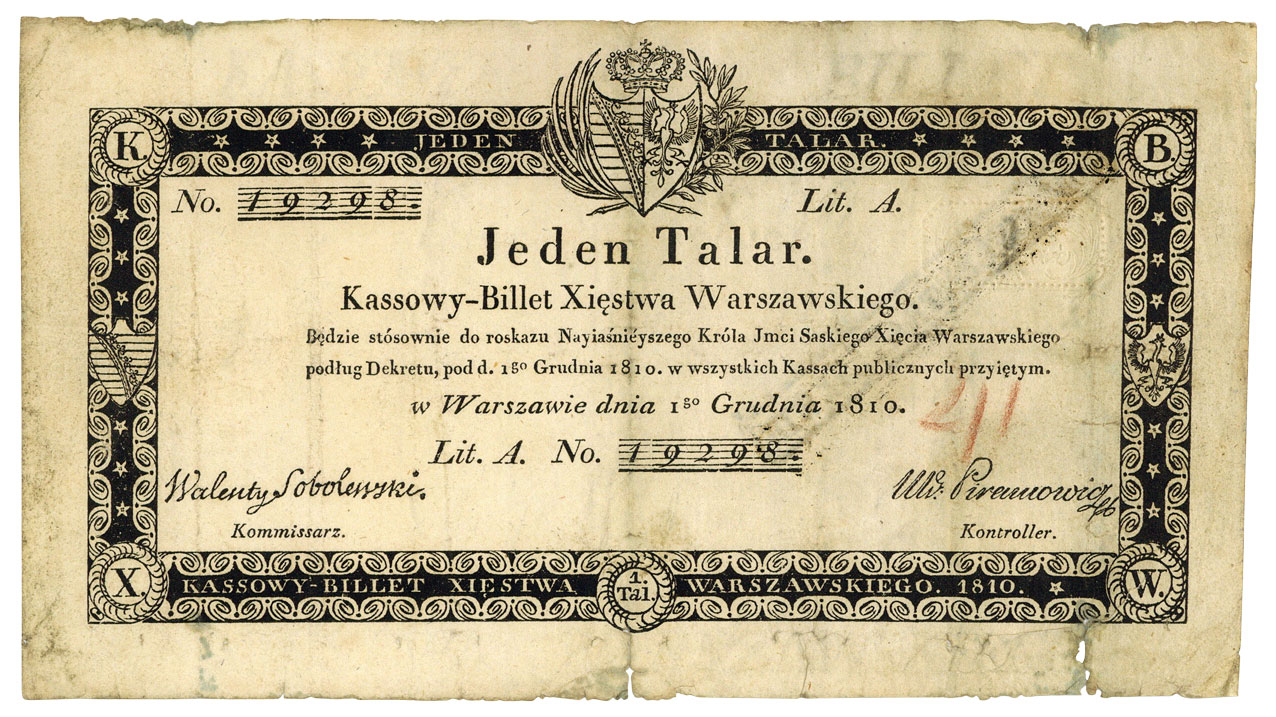
1 Talar 1. December 1810.
Condition: III-IV
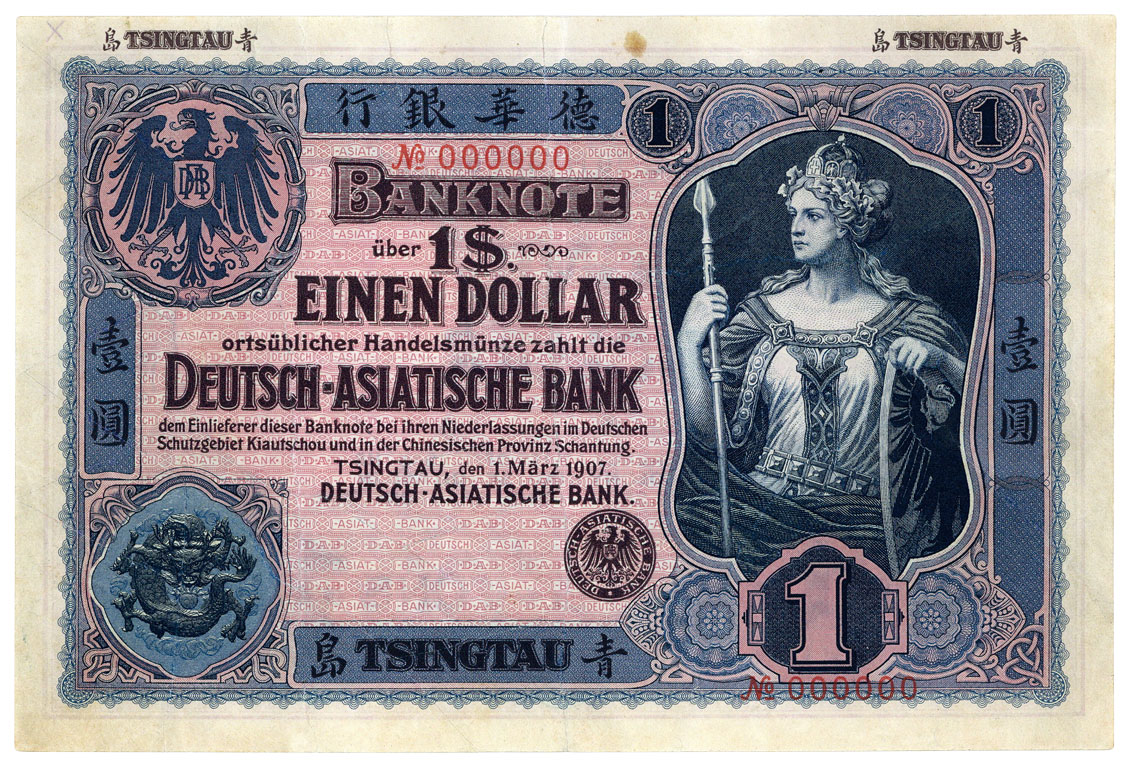
1 Dollar 1.3.1907, Tsingtao.
Condition: very rare, restored
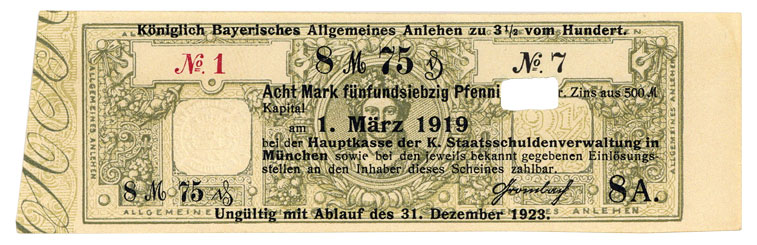
Royal Bavarian General Loan.
8.75 Marks, March 1, 1919.
Condition: rare, I
Archive: People and Markets
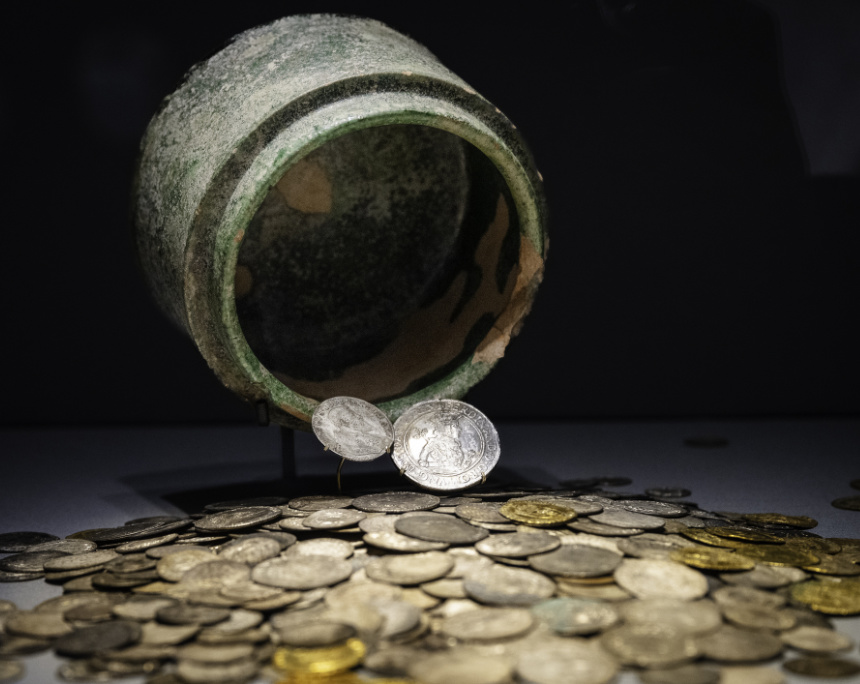
The Coin Hoard of Merishausen
From 15 March to 19 October 2025, the Museum zu Allerheiligen in Schaffhausen, Switzerland, is mounting a special exhibition on the coin hoard of Merishausen, presenting the results of research on this interesting ensemble to the public.
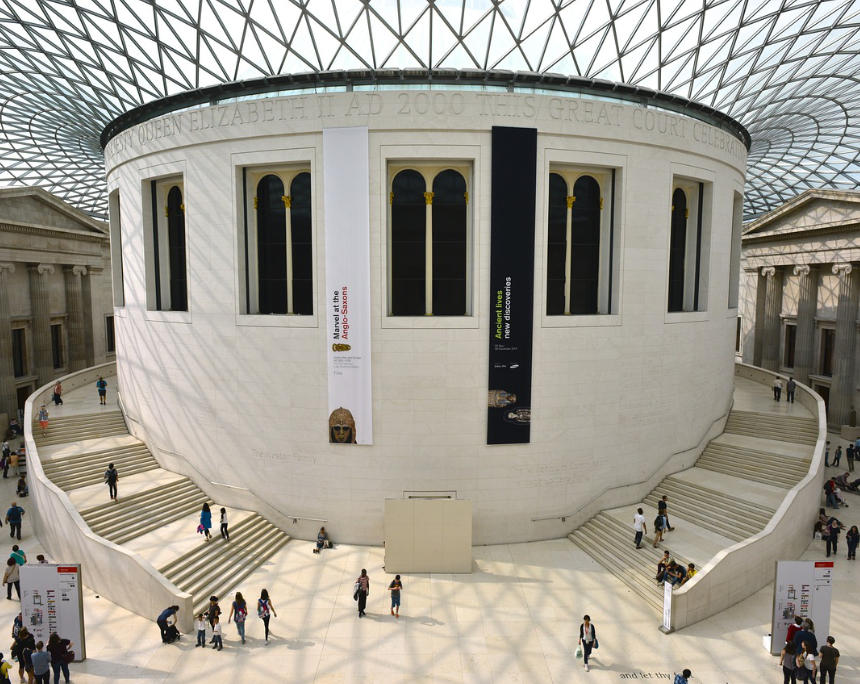
Red Alert at the British Museum
Thousands of objects have disappeared from the British Museum – allegedly stolen by a senior curator. The matter was uncovered by an antiquities dealer, whose warnings fell on deaf ears. The museum’s director has stepped down, and this seems to be merely the tip of the iceberg.
Archive: Coins, Medals and more
 https://new.coinsweekly.com/wp-content/uploads/2024/10/2024KW42HA1_00.jpg
684
860
Lucie Loechel
https://new.coinsweekly.com/wp-content/uploads/2023/01/logo-coinsweekly_590x204.png
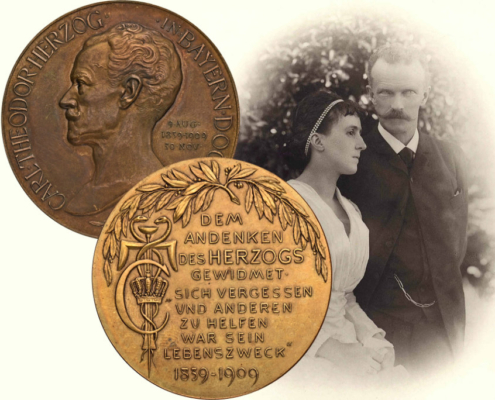
Lucie Loechel2024-10-17 10:51:292024-10-17 15:10:28Carl Theodor in Bavaria: The Old Nobility Takes Up a New Role
https://new.coinsweekly.com/wp-content/uploads/2024/10/2024KW42HA1_00.jpg
684
860
Lucie Loechel
https://new.coinsweekly.com/wp-content/uploads/2023/01/logo-coinsweekly_590x204.png
Lucie Loechel2024-10-17 10:51:292024-10-17 15:10:28Carl Theodor in Bavaria: The Old Nobility Takes Up a New Role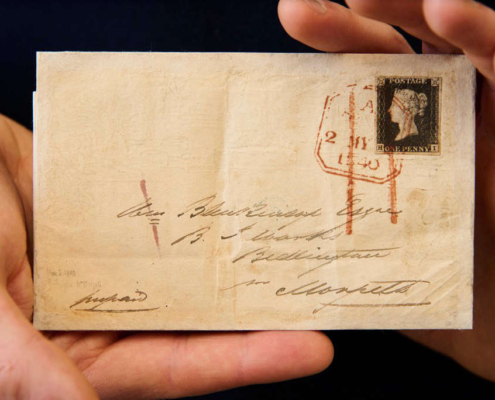 https://new.coinsweekly.com/wp-content/uploads/2024/01/2024KW05HA_00.jpg
684
860
Ursula Kampmann
https://new.coinsweekly.com/wp-content/uploads/2023/01/logo-coinsweekly_590x204.png
Ursula Kampmann2024-01-31 13:34:492024-01-31 13:34:49The First Piece of Mail Sent Using a Stamp to Be Offered at Sotheby’s
https://new.coinsweekly.com/wp-content/uploads/2024/01/2024KW05HA_00.jpg
684
860
Ursula Kampmann
https://new.coinsweekly.com/wp-content/uploads/2023/01/logo-coinsweekly_590x204.png
Ursula Kampmann2024-01-31 13:34:492024-01-31 13:34:49The First Piece of Mail Sent Using a Stamp to Be Offered at Sotheby’s
CoinsWeekly and Numista
Would you like to discuss our latest articles with like-minded people? You can now easily do so in the Numista forum!
Sir Winston Churchill at 150: Highlights From the J. Eric Engstrom Medal Collection
Last November, Winston Churchill would have turned 150 years old. To mark the occasion, the Heberden Coin Room at the Ashmolean is displaying pieces from their rich collection of medals related to Churchill, most of which come from the J. Eric Engstrom Collection of Churchill Medals.