






Archive: People and Markets
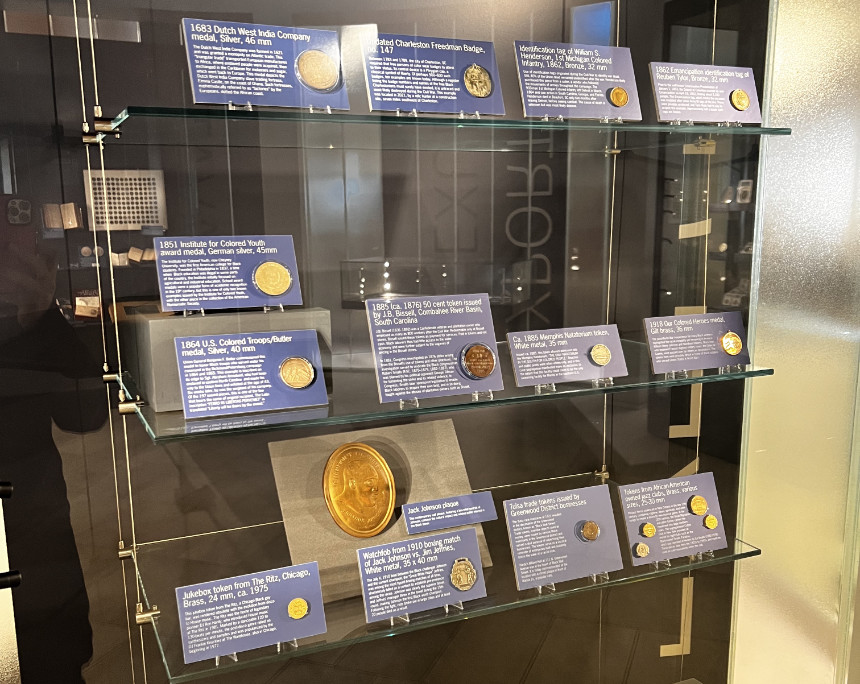
Washington University Presents Seven Numismatic Exhibits
Washington University’s Olin Library announces seven numismatic exhibits that are now open to the public and will run through July 7, 2024. The library features such exhibits on a rotating basis, with recent installations covering the history of play money, World War II internment camp issues, and other subjects. In addition to exhibits, the library’s numismatic mission includes the administration of the Newman Numismatic Portal.
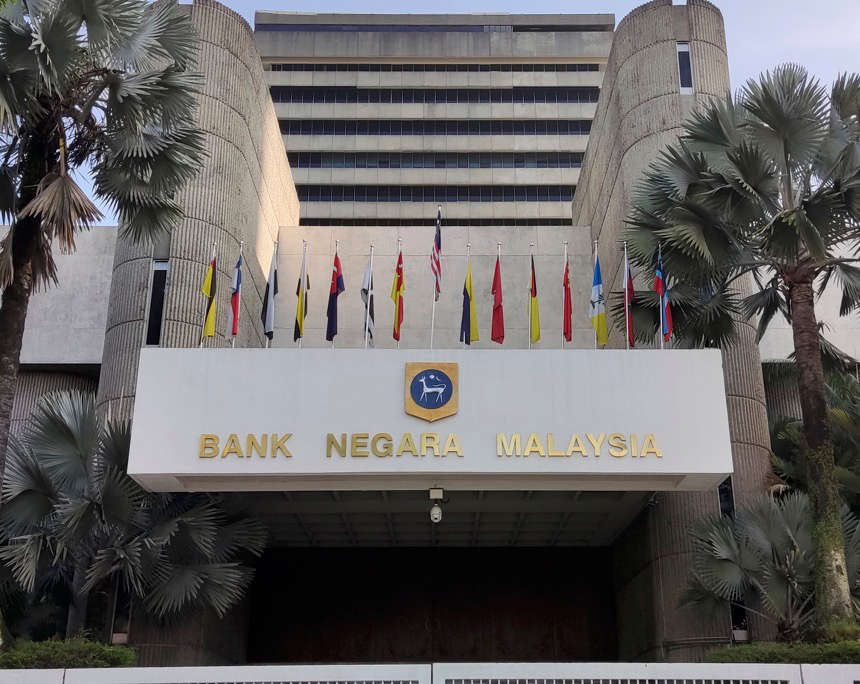
ICOMON Annual Conference 2023: Call for Papers
The 2023 ICOMON annual conference will be held in November in Malaysia. Speakers are now invited to send their abstracts on the theme: Reinforcing Museum’s sustainable competitiveness in the peak of digitization & social/global challenges.
Archive: Coins, Medals and more
 https://new.coinsweekly.com/wp-content/uploads/2024/07/2024KW28HA_00.jpg
684
860
Ursula Kampmann
https://new.coinsweekly.com/wp-content/uploads/2023/01/logo-coinsweekly_590x204.png
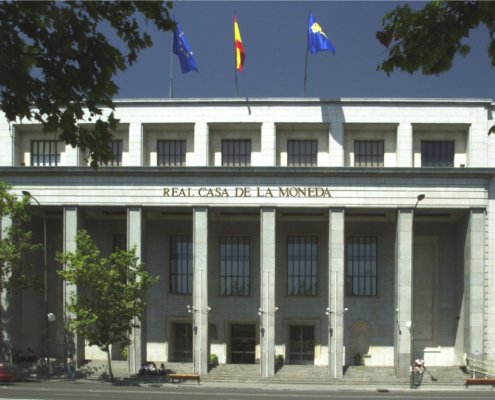
Ursula Kampmann2024-07-11 11:04:462024-07-11 11:19:29The Casa de la Moneda Museum in Madrid
https://new.coinsweekly.com/wp-content/uploads/2024/07/2024KW28HA_00.jpg
684
860
Ursula Kampmann
https://new.coinsweekly.com/wp-content/uploads/2023/01/logo-coinsweekly_590x204.png
Ursula Kampmann2024-07-11 11:04:462024-07-11 11:19:29The Casa de la Moneda Museum in Madrid
Coin Shop Looted in Michigan
The Numismatic Crime Information Center notifies the numismatic community about a burglary at a coin shop in South Eastern Michigan on 16 December.
Provenanced Coin Finds Versus Rarities – The Importance of Coin Finds for Historical Statistics
Reporting coin finds is essential for the study of coinage. A Workshop in Jordan discussed the importance of coin finds for historical statistics and the experience of a group of Syrian archaeologists who turned to one of the most important groups of coin finders: children.