







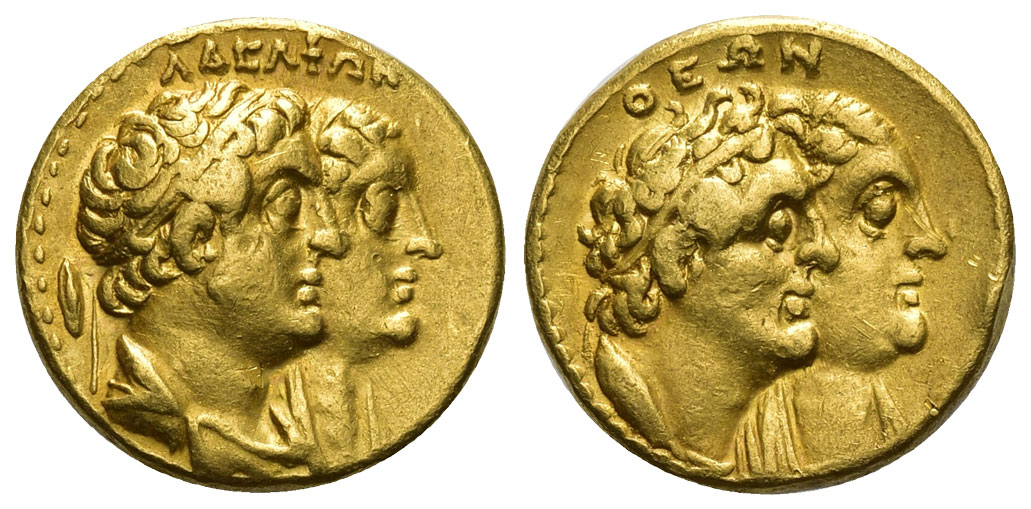
AV Tetradrachm (282–272 BC),
King Ptolemy II and Queen Arsinoe II.
From the major collection of Alexandria mint.
Condition: vf+
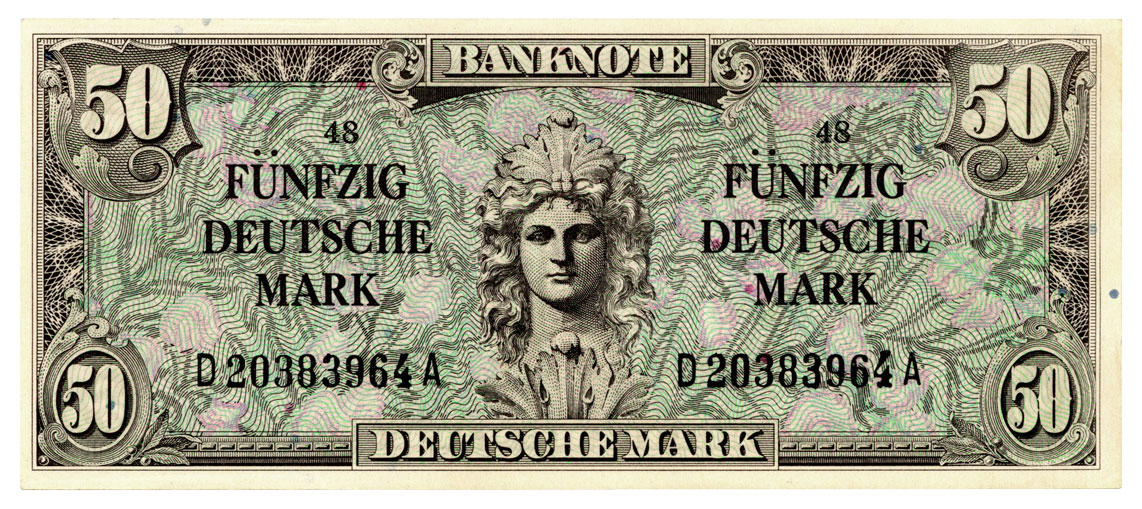
50 Deutsche Mark o.D. ( 1948-1949) "Liberty".
Condition: extremly rare, I
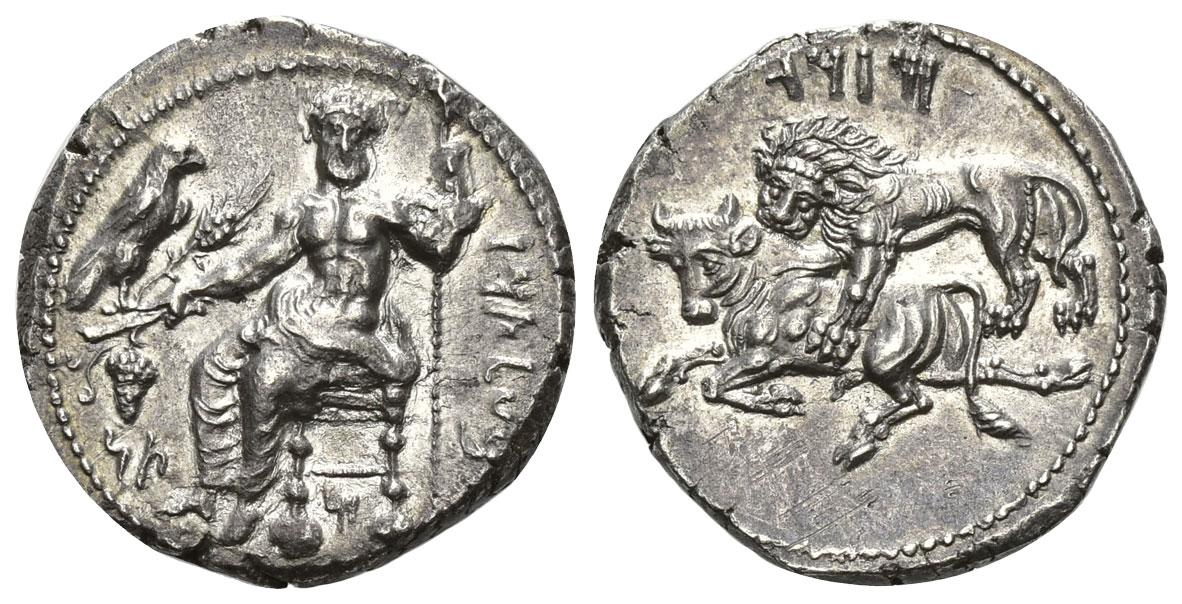
AR Stater (361-334 BC).
Obv. Baal of Tarsos.
Conditon: ef
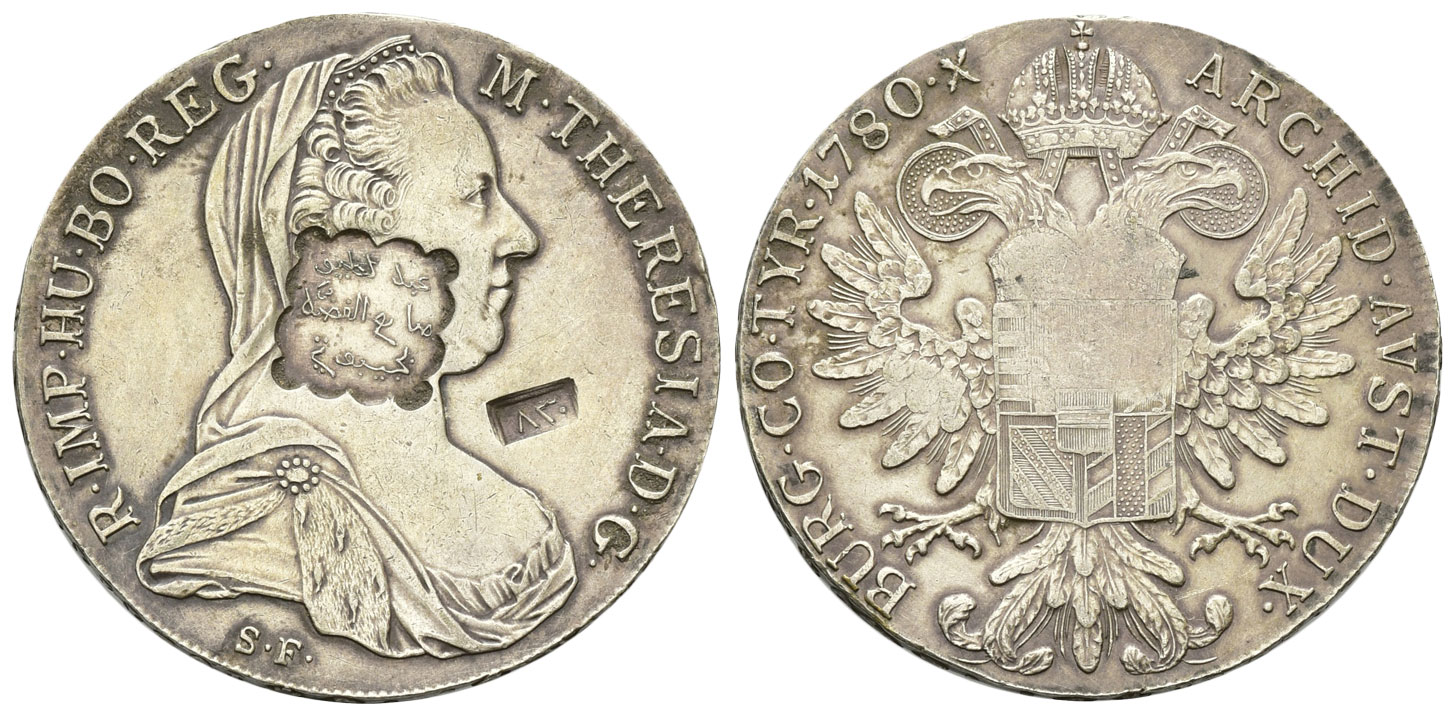
Taler 1780 SF
with counter stamp Djibouti (1870-1900).
Condition: vf
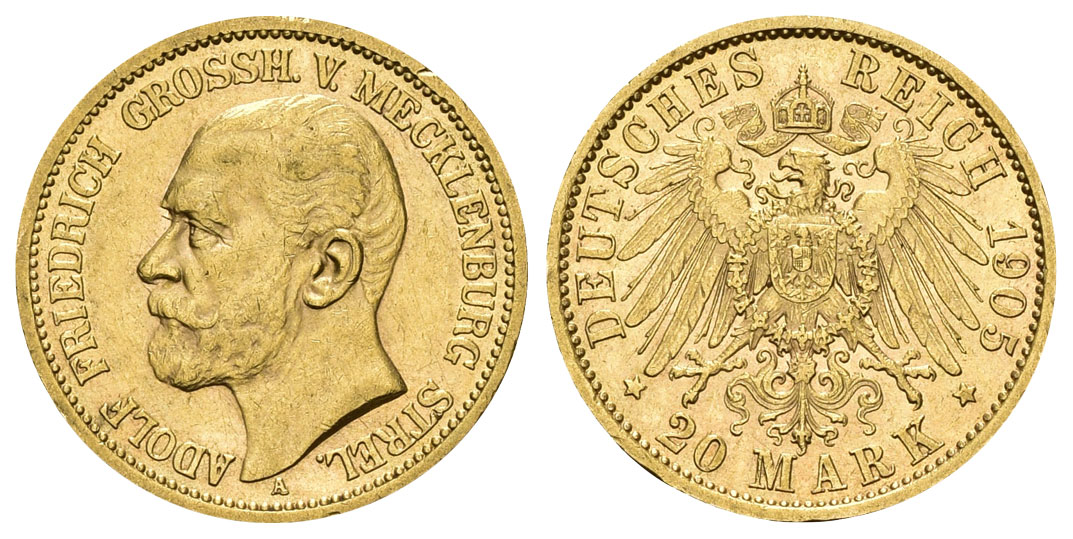
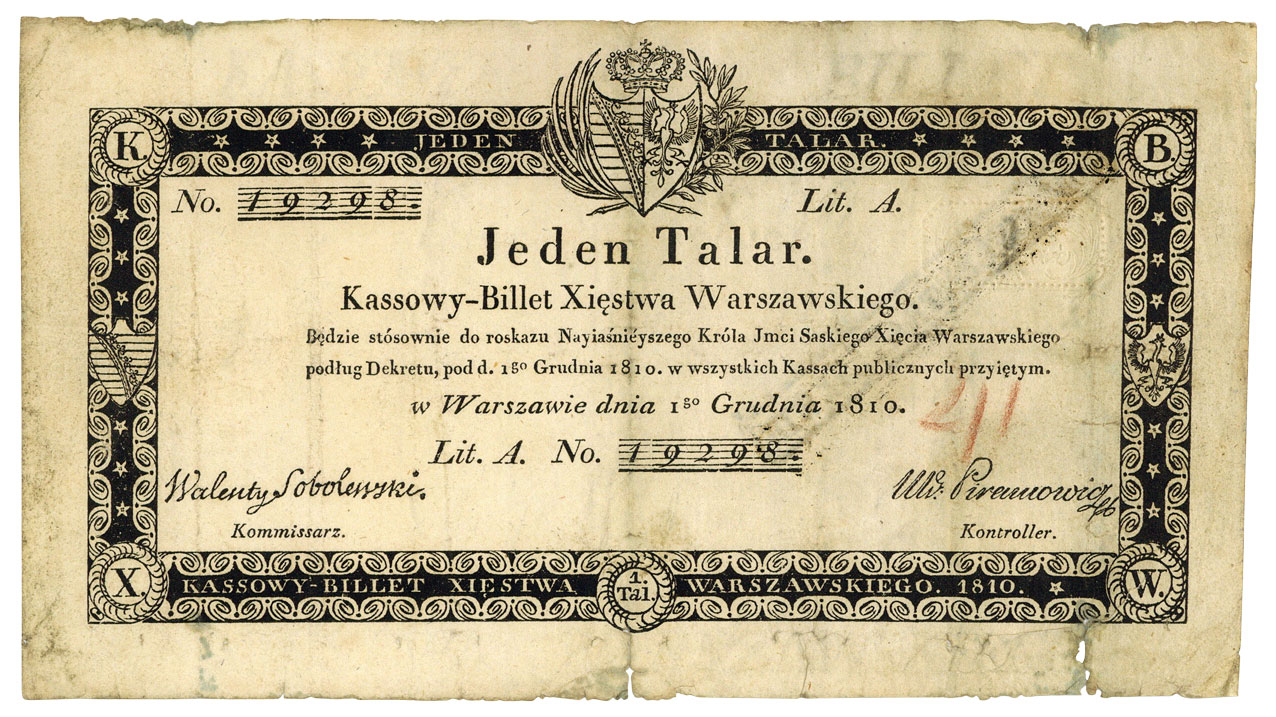
1 Talar 1. December 1810.
Condition: III-IV
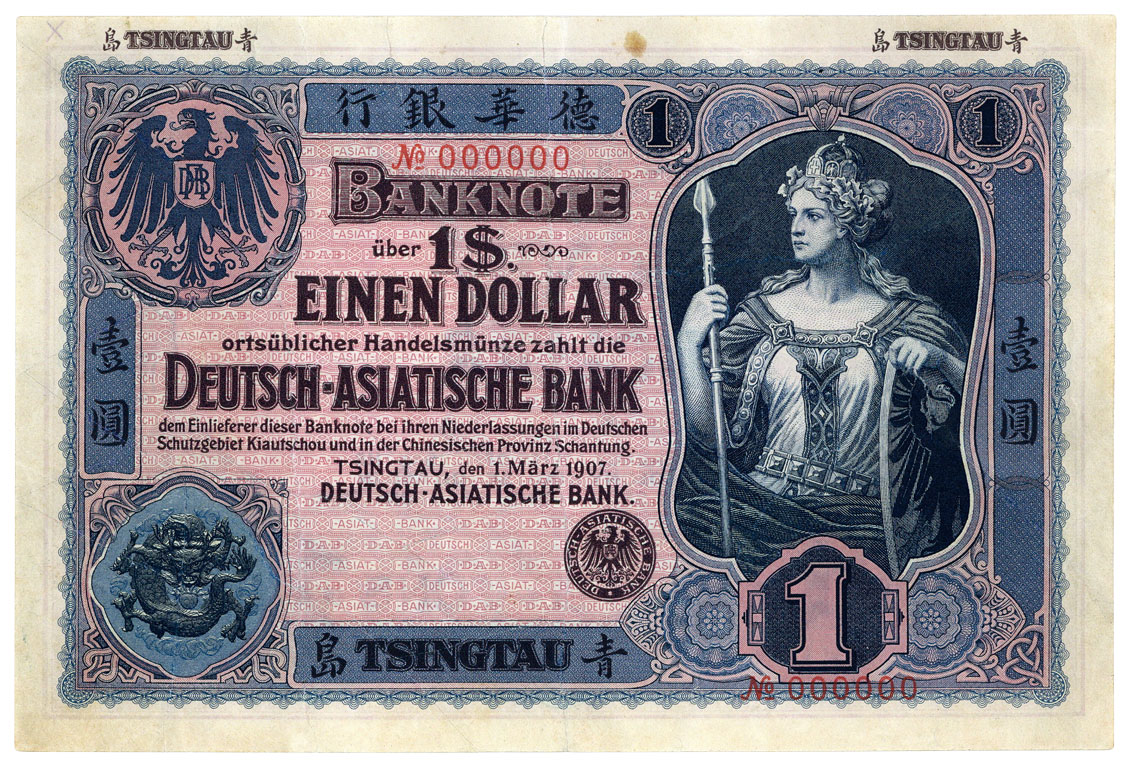
1 Dollar 1.3.1907, Tsingtao.
Condition: very rare, restored
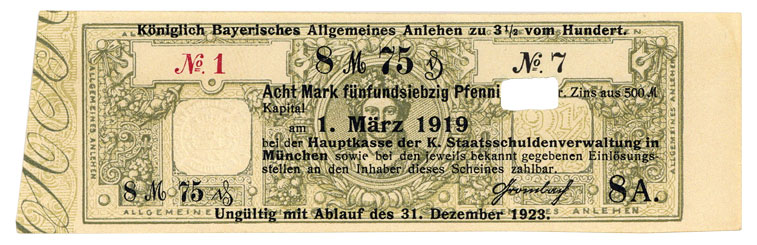
Royal Bavarian General Loan.
8.75 Marks, March 1, 1919.
Condition: rare, I
Archive: People and Markets
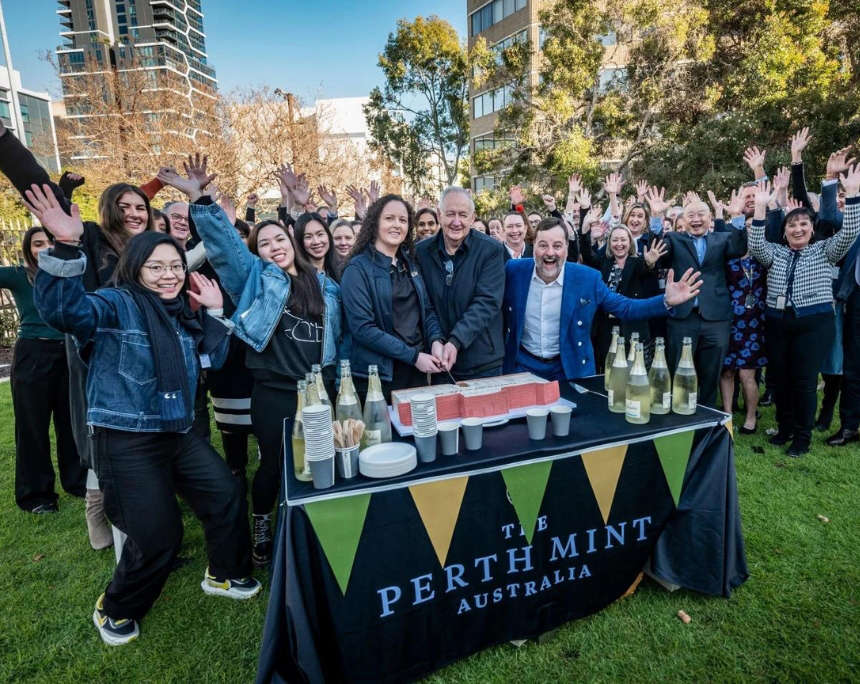
The Perth Mint Celebrates with Cake for 125th Birthday – and a Special Sovereign Coin
On June 20th, The Perth Mint celebrated the significant milestone of 125 years of operation as a gold refiner and producer of high-quality precious metal coins.
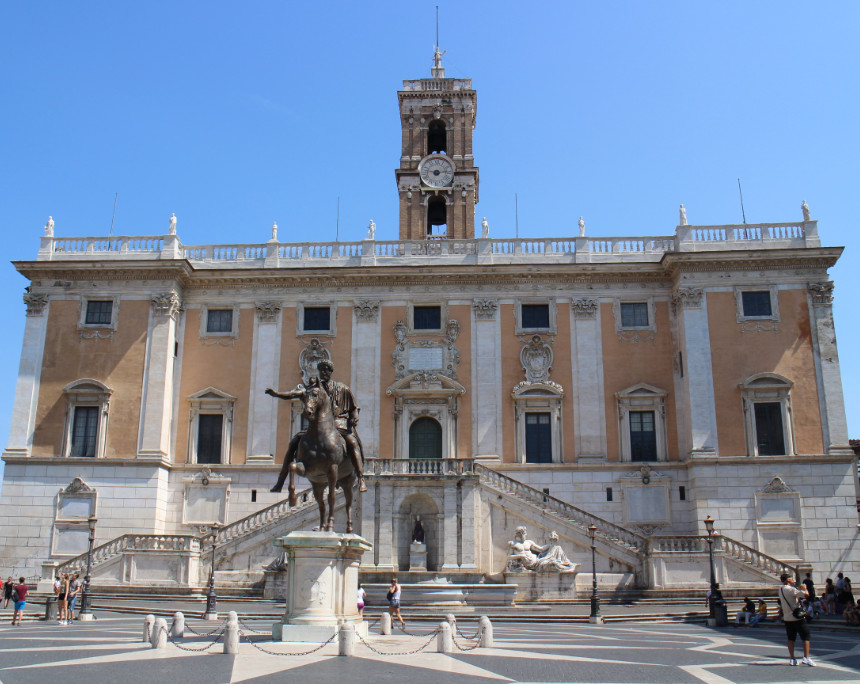
Legal Head of Italian Culture Ministry: “Fiendishly Extensive” Proofs Bar Imports
A significant statement on the importation of numismatic goods was issued in June 2023 by the legal department of the Italian Ministry of Culture. Read an analysis by Valentina Tarquini for Cultural Property News here.
Archive: Coins, Medals and more
 https://new.coinsweekly.com/wp-content/uploads/2025/02/2025KW09HA02_00.jpg
684
860
Lucie Loechel
https://new.coinsweekly.com/wp-content/uploads/2023/01/logo-coinsweekly_590x204.png
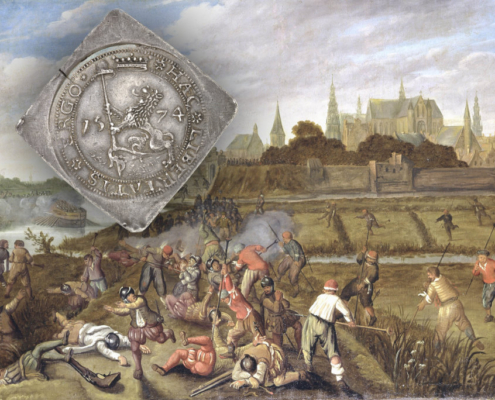
Lucie Loechel2025-02-27 10:19:482025-02-27 10:25:36The Suffering of Leiden – A Siege During the Dutch Revolt
https://new.coinsweekly.com/wp-content/uploads/2025/02/2025KW09HA02_00.jpg
684
860
Lucie Loechel
https://new.coinsweekly.com/wp-content/uploads/2023/01/logo-coinsweekly_590x204.png
Lucie Loechel2025-02-27 10:19:482025-02-27 10:25:36The Suffering of Leiden – A Siege During the Dutch Revolt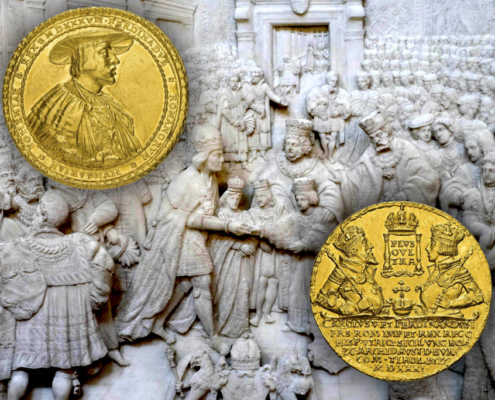 https://new.coinsweekly.com/wp-content/uploads/2024/04/2024KW16HA_00.jpg
684
860
Ursula Kampmann
https://new.coinsweekly.com/wp-content/uploads/2023/01/logo-coinsweekly_590x204.png
Ursula Kampmann2024-04-18 10:26:522024-04-18 10:26:52The Turks, the Bohemian Estates and Two Gnadenpfennigs by Ferdinand I
https://new.coinsweekly.com/wp-content/uploads/2024/04/2024KW16HA_00.jpg
684
860
Ursula Kampmann
https://new.coinsweekly.com/wp-content/uploads/2023/01/logo-coinsweekly_590x204.png
Ursula Kampmann2024-04-18 10:26:522024-04-18 10:26:52The Turks, the Bohemian Estates and Two Gnadenpfennigs by Ferdinand I
The British Museum: When Theft Becomes PR
Once again, the BM made negative headlines: Ilé Sartuzi stole a coin unnoticed during a hands-on tour and declared this an artistic performance. A commentary by Ursula Kampmann.
CIT’s Topography – Grand Canyon
Those who take this Grand Canyon coin in their hands for the first time, will find it hard to believe how detailed it replicates the relief of the Grand Canyon. With this issue, CIT and B. H. Mayer’s Kunstprägeanstalt demonstrate that an ultra-high relief can also be turned into an ultra-low relief.