








Archive: People and Markets
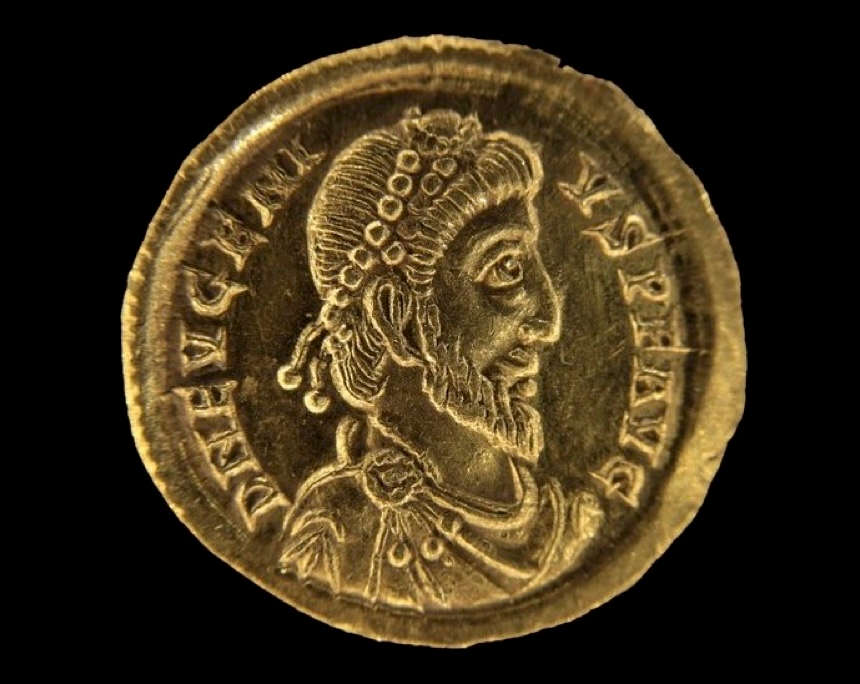
Largest Hoard of Ancient Gold Coins Discovered in Luxembourg
At the end of 2019, two amateur archaeologists in Luxembourg made an impressive discovery that has now been made public: 141 exceptionally well-preserved solidi from the last third of the 4th century. It is the largest hoard of ancient gold coins ever discovered in the Grand Duchy.
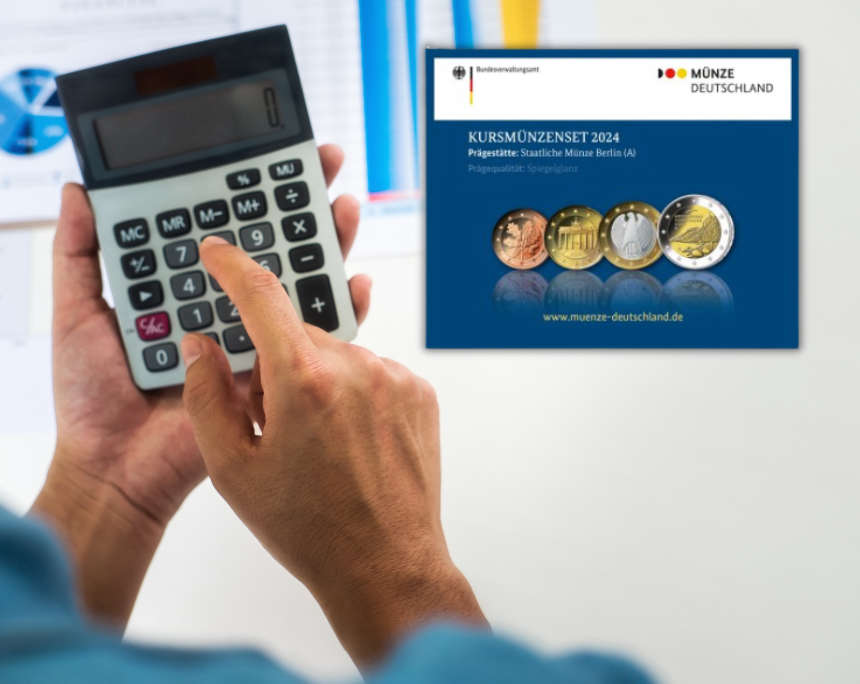
Increasing Prices for German Coin Sets: Is This The End of Proof Coin Collecting?
Official coin sets – for many coin collectors, these issues are an essential part of a complete collection. The number of produced sets, however, has been diminishing significantly for years, and a huge price adjustment could now deter collectors even further.
Archive: Coins, Medals and more
 https://new.coinsweekly.com/wp-content/uploads/2024/05/2024KW20HA_00.jpg
684
860
Ursula Kampmann
https://new.coinsweekly.com/wp-content/uploads/2023/01/logo-coinsweekly_590x204.png
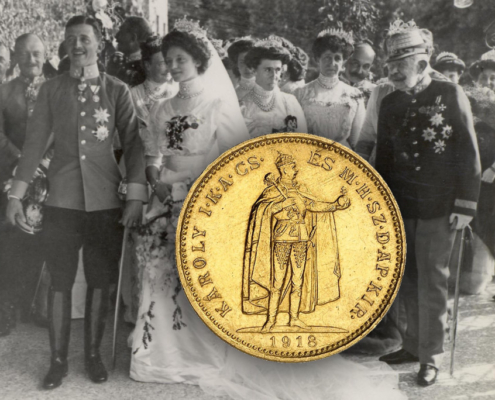
Ursula Kampmann2024-05-16 10:22:052024-05-16 10:35:23Charles I of Austria-Hungary: A Hapless Emperor Who Was Beatified
https://new.coinsweekly.com/wp-content/uploads/2024/05/2024KW20HA_00.jpg
684
860
Ursula Kampmann
https://new.coinsweekly.com/wp-content/uploads/2023/01/logo-coinsweekly_590x204.png
Ursula Kampmann2024-05-16 10:22:052024-05-16 10:35:23Charles I of Austria-Hungary: A Hapless Emperor Who Was Beatified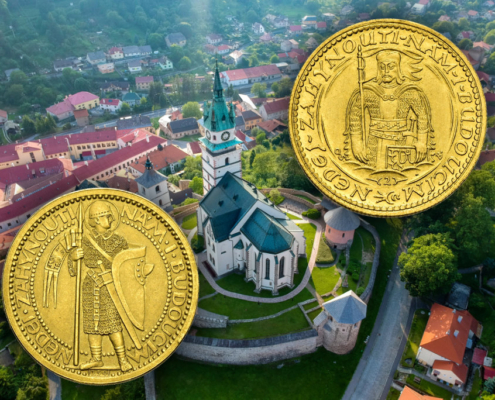 https://new.coinsweekly.com/wp-content/uploads/2024/05/2024KW19HA_00.jpg
684
860
Ursula Kampmann
https://new.coinsweekly.com/wp-content/uploads/2023/01/logo-coinsweekly_590x204.png
Ursula Kampmann2024-05-08 08:46:252024-05-08 08:46:25The First Years of Czechoslovak Coinage
https://new.coinsweekly.com/wp-content/uploads/2024/05/2024KW19HA_00.jpg
684
860
Ursula Kampmann
https://new.coinsweekly.com/wp-content/uploads/2023/01/logo-coinsweekly_590x204.png
Ursula Kampmann2024-05-08 08:46:252024-05-08 08:46:25The First Years of Czechoslovak Coinage
From Brutus to Brandt – Digital Exhibition of the Deutsche Bundesbank
The Deutsche Bundesbank presents “From Brutus to Brandt – Coins as a Testimony to Collective Memory”. In this sophisticated digital exhibition, eight coins from antiquity to the present day are examined in detail.
German Museums Continue to be Hit by Wave of Burglaries
With no end in sight, German museums are still regularly targeted by burglars. Often, the general public is unaware of the break-ins as the cases only make headlines in local newspapers. What can museums do to deal with these crimes? We present two cases from autumn 2023.