







Archive: People and Markets
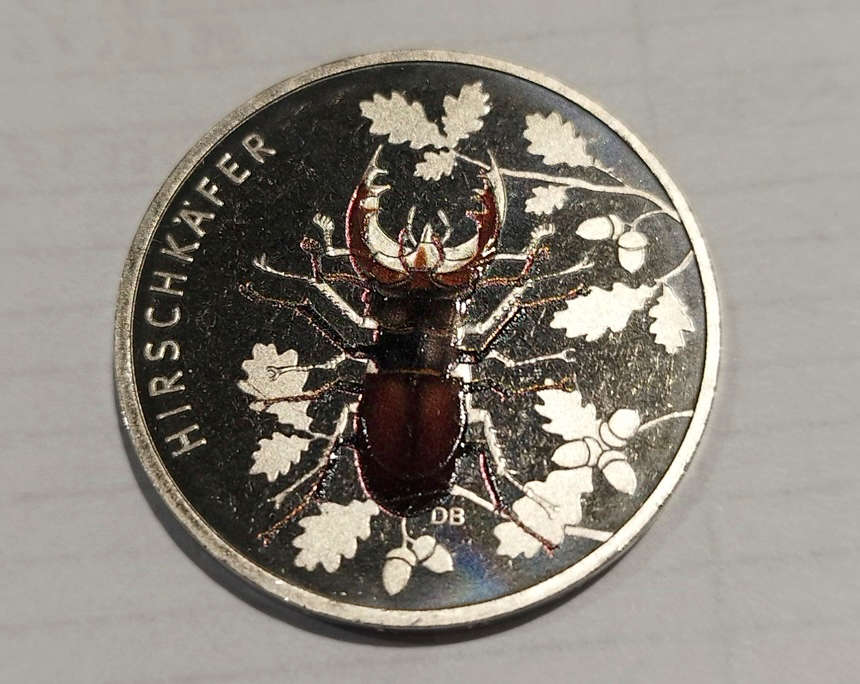
The Fascinating World of Insects and Minting Errors: The Misaligned Stag Beetle
A year ago, the paint on coins from the “Fascinating World of Insects” series began to flake off. Now, new anomalies have surfaced—ones that experts find only partially explainable.
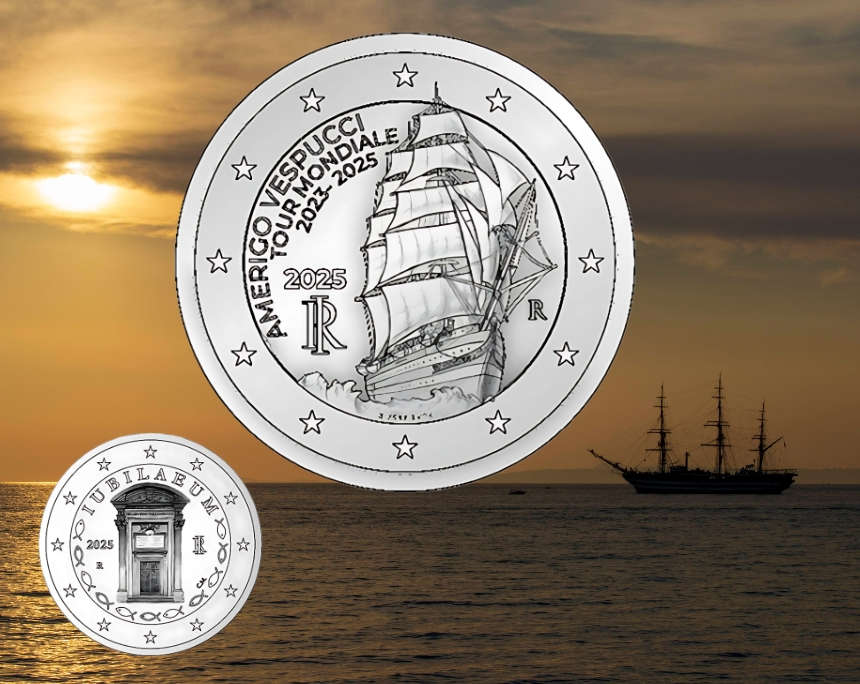
Two-Euro Ticker: A Look Ahead at the €2 Coins of 2025 (and 2026)
After a relatively quiet end to 2024 in the world of €2 coins, the start of the new year finally brings fresh energy to this collecting field.
Archive: Coins, Medals and more
 https://new.coinsweekly.com/wp-content/uploads/2023/05/2023KW20HA00.jpg
750
1000
Ursula Kampmann
https://new.coinsweekly.com/wp-content/uploads/2023/01/logo-coinsweekly_590x204.png
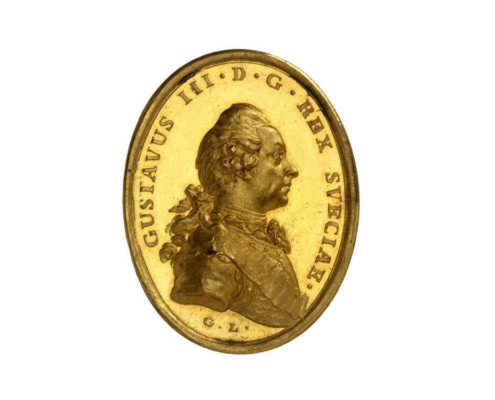
Ursula Kampmann2023-05-17 10:00:472023-06-27 11:25:44Gustav III: A Conservative Revolutionary
https://new.coinsweekly.com/wp-content/uploads/2023/05/2023KW20HA00.jpg
750
1000
Ursula Kampmann
https://new.coinsweekly.com/wp-content/uploads/2023/01/logo-coinsweekly_590x204.png
Ursula Kampmann2023-05-17 10:00:472023-06-27 11:25:44Gustav III: A Conservative Revolutionary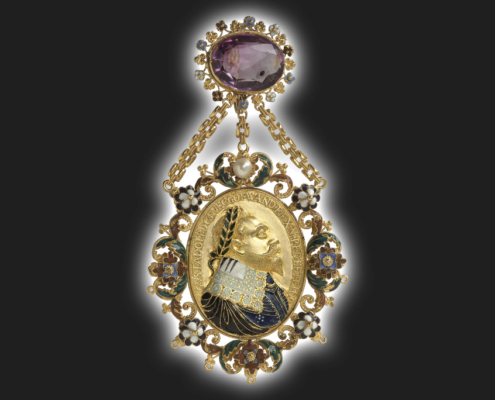 https://new.coinsweekly.com/wp-content/uploads/2025/01/2025KW04HA01_00.jpg
684
860
Lucie Loechel
https://new.coinsweekly.com/wp-content/uploads/2023/01/logo-coinsweekly_590x204.png
Lucie Loechel2025-01-23 10:04:312025-01-23 14:24:11The Gnadenpfennig – An Object Between Decoration, Medal, and Coin
https://new.coinsweekly.com/wp-content/uploads/2025/01/2025KW04HA01_00.jpg
684
860
Lucie Loechel
https://new.coinsweekly.com/wp-content/uploads/2023/01/logo-coinsweekly_590x204.png
Lucie Loechel2025-01-23 10:04:312025-01-23 14:24:11The Gnadenpfennig – An Object Between Decoration, Medal, and Coin
Swissmint Becomes First eCommerce Partner on Coiniverse
The numismatic smartphone application, founded by the mint of Finland and turned into an independent start-up, aims to become a marketplace for mints and coin dealers around the world.
The Numismatic Index on 11 May 2023
The numismatic index numindex transparently shows how the prices of selected coins change over time. In the style of a stock index, it was designed for collectors who consider their collection an investment. Find out about the current state of the index.