







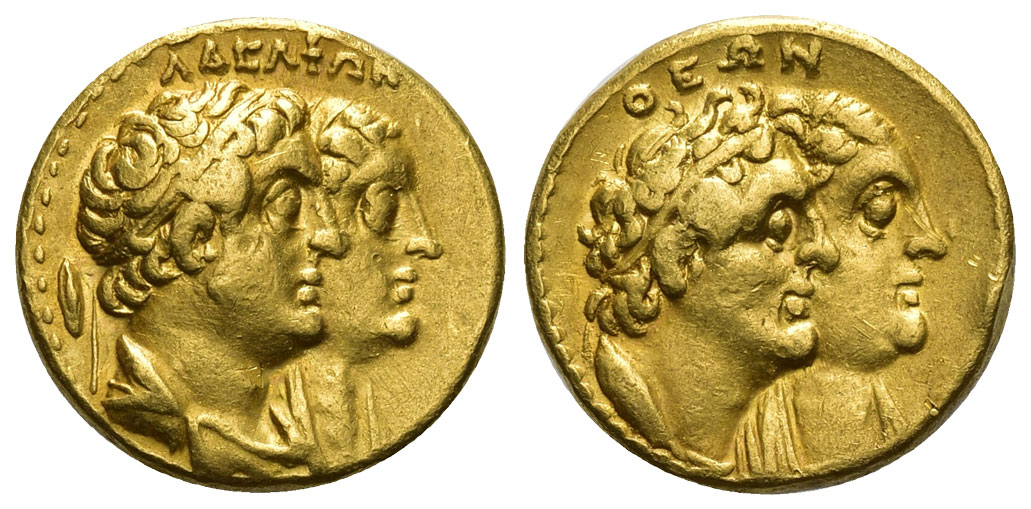
AV Tetradrachm (282–272 BC),
King Ptolemy II and Queen Arsinoe II.
From the major collection of Alexandria mint.
Condition: vf+
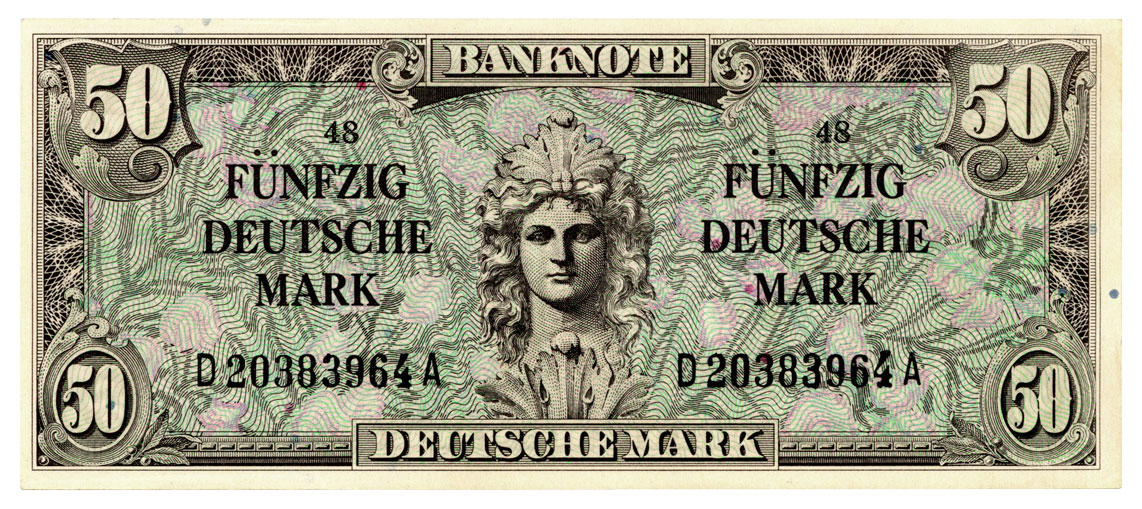
50 Deutsche Mark o.D. ( 1948-1949) "Liberty".
Condition: extremly rare, I
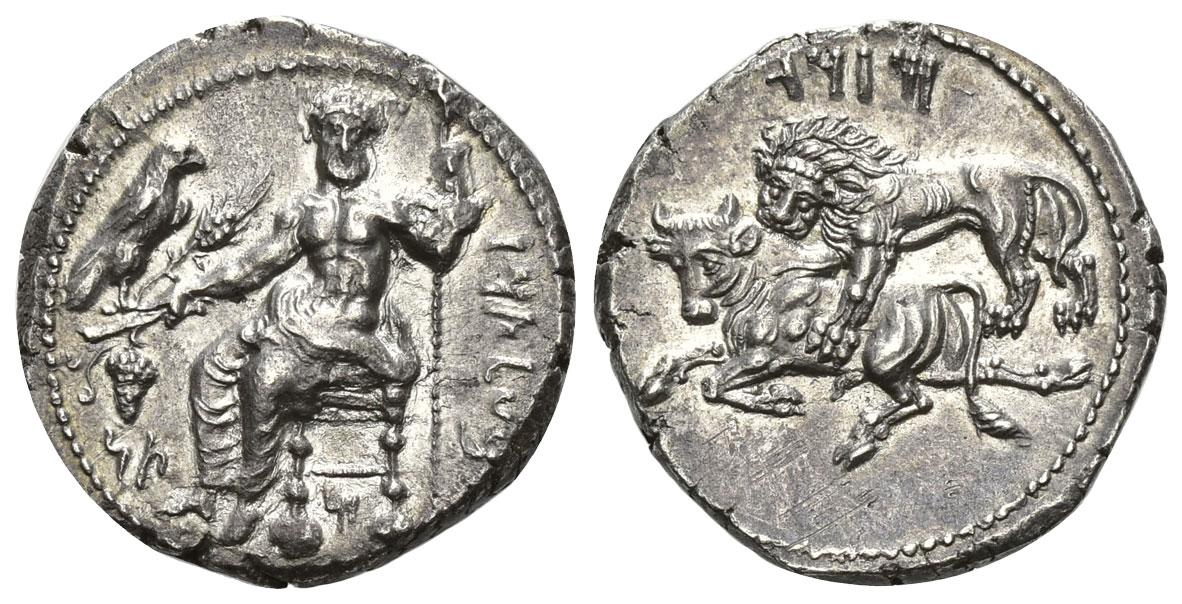
AR Stater (361-334 BC).
Obv. Baal of Tarsos.
Conditon: ef
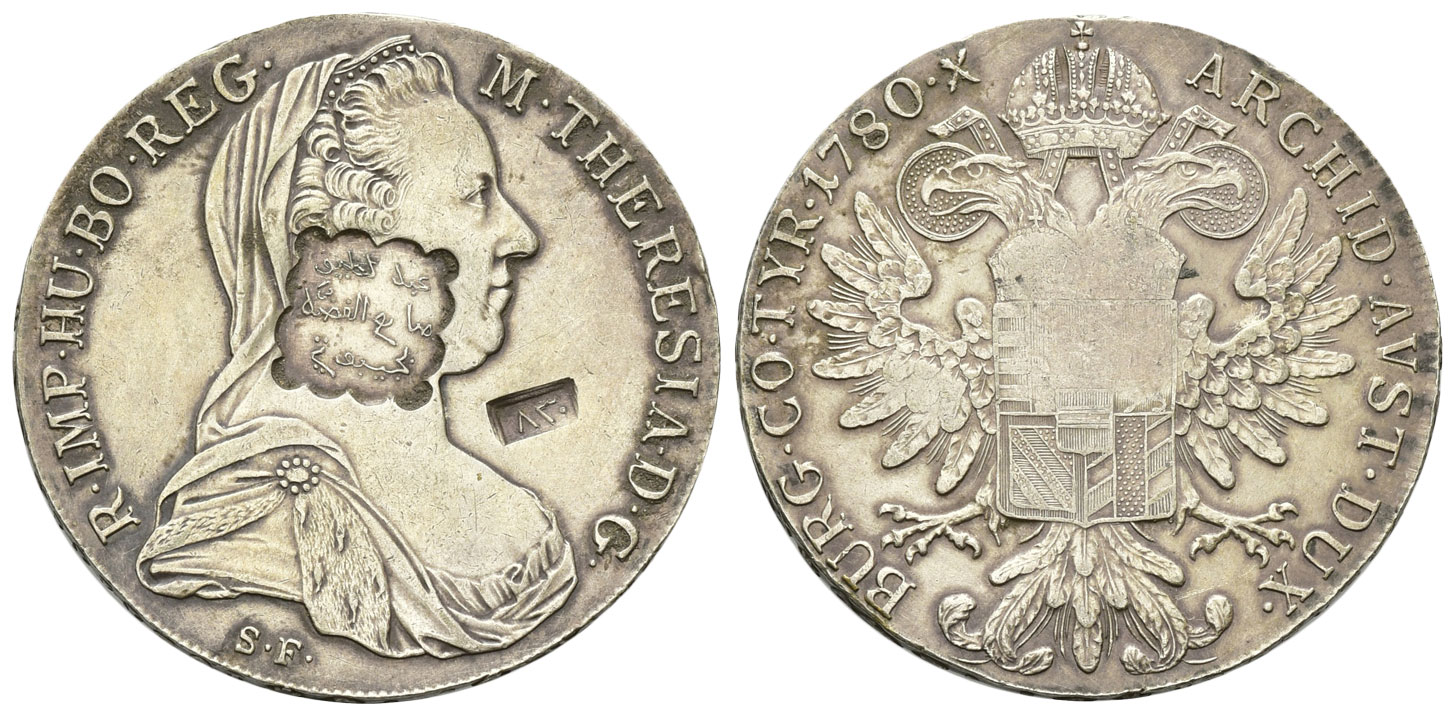
Taler 1780 SF
with counter stamp Djibouti (1870-1900).
Condition: vf
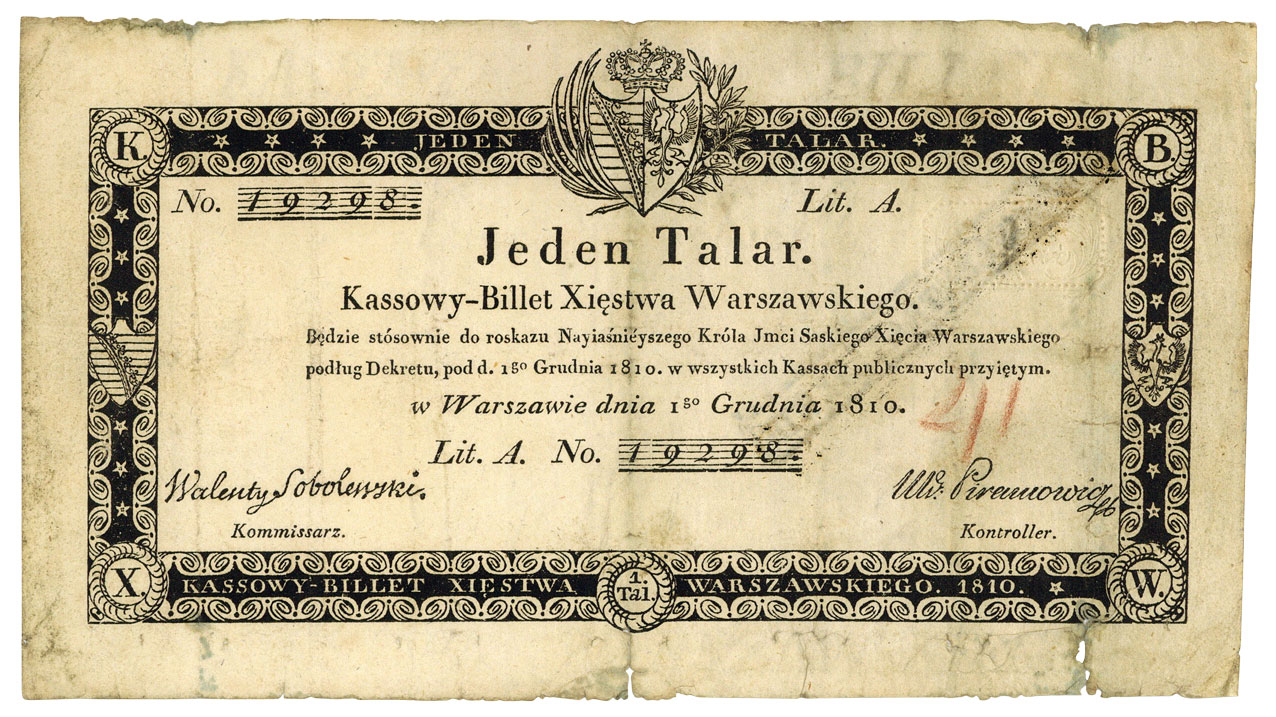
1 Talar 1. December 1810.
Condition: III-IV
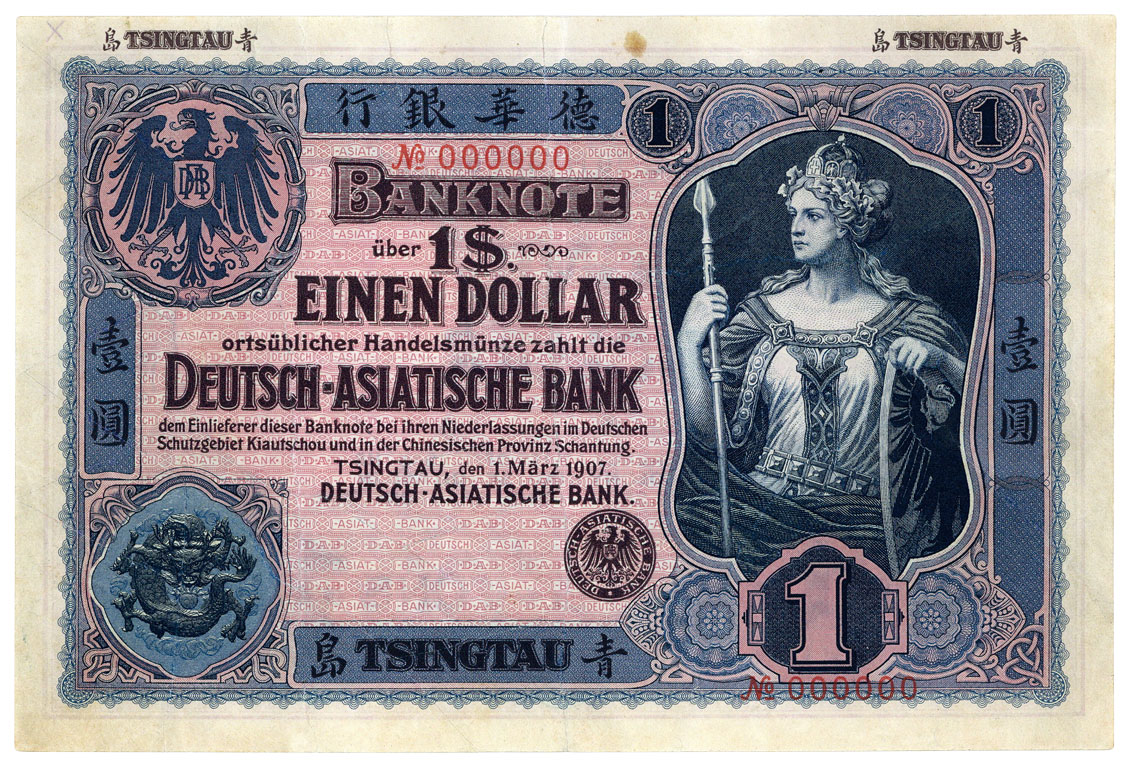
1 Dollar 1.3.1907, Tsingtao.
Condition: very rare, restored
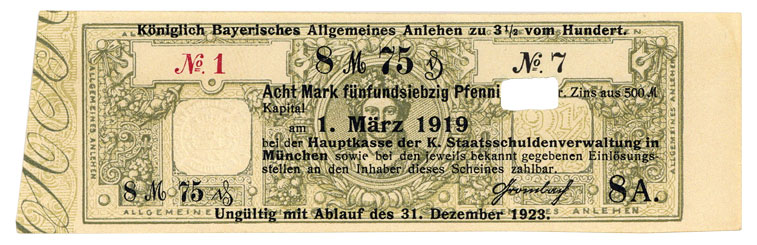
Royal Bavarian General Loan.
8.75 Marks, March 1, 1919.
Condition: rare, I
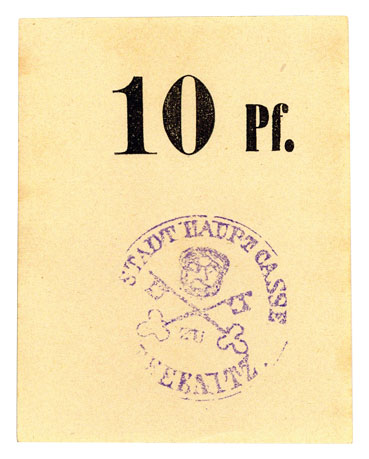
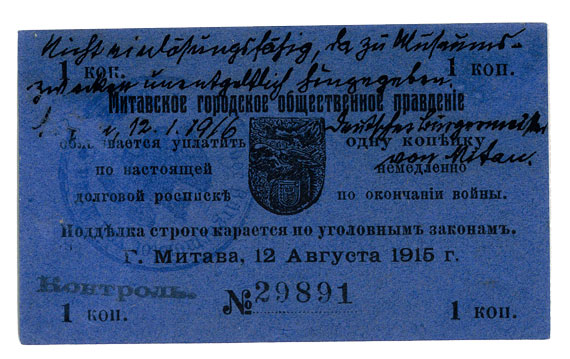
Archive: People and Markets
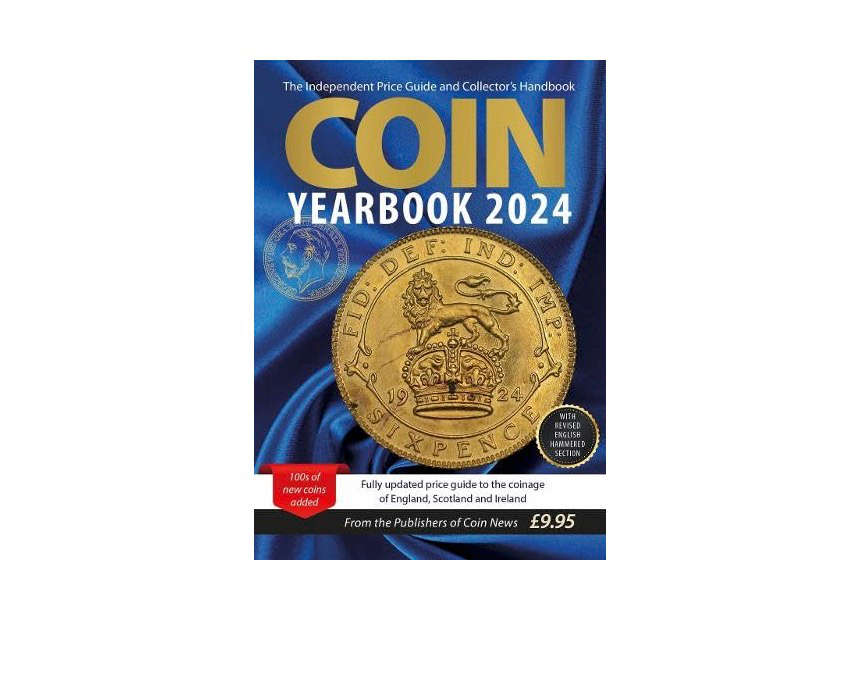
The New and Advanced Coin Yearbook 2024
The new 2024 edition of the Coin Yearbook is fully revised and updated. It features accurate up-to-the-minute pricing of English, Scottish, Irish and Isle of Man coins and many more features.
51st Auction by Münzen & Medaillen GmbH Rescheduled
The 51st auction of Münzen & Medaillen GmbH in Weil am Rhein will no longer take place as originally planned on November 4, 2024. The new auction date is December 4, 2024.
Archive: Coins, Medals and more
 https://new.coinsweekly.com/wp-content/uploads/2023/06/00_shutterstock_235125199.jpg
667
1000
Bruno
https://new.coinsweekly.com/wp-content/uploads/2023/01/logo-coinsweekly_590x204.png
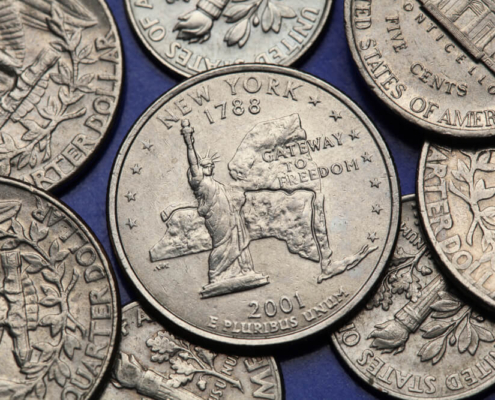
Bruno2022-06-13 12:25:292023-07-03 12:43:47Fascinating Change: The 50 State Quarters of the USA – a Milestone
https://new.coinsweekly.com/wp-content/uploads/2023/06/00_shutterstock_235125199.jpg
667
1000
Bruno
https://new.coinsweekly.com/wp-content/uploads/2023/01/logo-coinsweekly_590x204.png
Bruno2022-06-13 12:25:292023-07-03 12:43:47Fascinating Change: The 50 State Quarters of the USA – a Milestone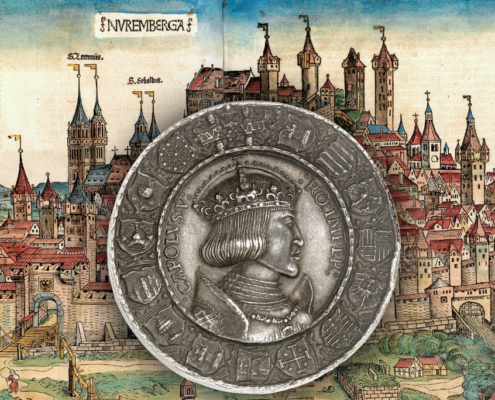 https://new.coinsweekly.com/wp-content/uploads/2024/12/2024KW51HA_00.jpg
684
860
Lucie Loechel
https://new.coinsweekly.com/wp-content/uploads/2023/01/logo-coinsweekly_590x204.png
Lucie Loechel2024-12-19 10:10:262024-12-19 12:59:54A Medal Made by Dürer as the Official Gift of the City of Nuremberg for Charles V
https://new.coinsweekly.com/wp-content/uploads/2024/12/2024KW51HA_00.jpg
684
860
Lucie Loechel
https://new.coinsweekly.com/wp-content/uploads/2023/01/logo-coinsweekly_590x204.png
Lucie Loechel2024-12-19 10:10:262024-12-19 12:59:54A Medal Made by Dürer as the Official Gift of the City of Nuremberg for Charles V
John Mussell 1942-2023
The founder of Token Publishing Ltd. died after a short illness at the age of 81. He made many friends in the numismatic world over the years. His wife Carol and his son Philip will carry on his legacy.
Hideo Futahashi (†2024)
We have only now learned that Hideo Futahashi has passed away. Mr. Futahashi was a key figure for Europeans looking to gain a foothold in the Japanese coin market. He was one of those open-minded Japanese who loved introducing European coin enthusiasts to the beauty of his country.