






Archive: People and Markets
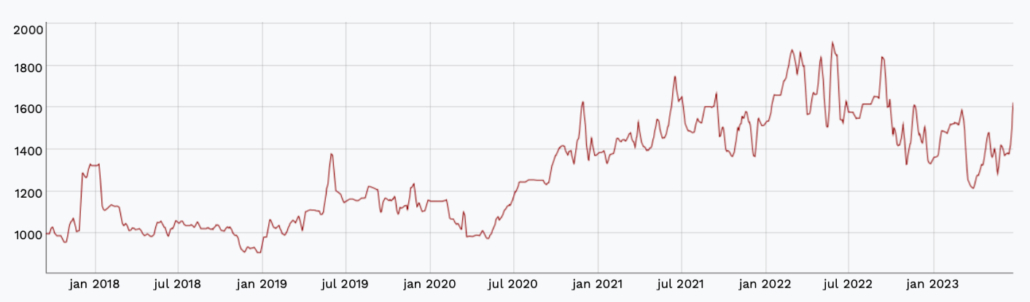
The Numismatic Index on 25 June 2023
The numismatic index numindex transparently shows how the prices of selected coins change over time. In the style of a stock index, it was designed for collectors who consider their collection an investment. Find out about the current state of the index.

Hear Steve Forbes at the International Money Exposition
The International Money Exposition (IMEX) in Nashville will be held for the first time this October. One attendee will be Steve Forbes; internationally-known economic commentator, Chairman and Editor-in-Chief of Forbes Magazine.
Archive: Coins, Medals and more
 https://new.coinsweekly.com/wp-content/uploads/2025/04/2025KW16HA02_00.jpg
684
860
Lucie Loechel
https://new.coinsweekly.com/wp-content/uploads/2023/01/logo-coinsweekly_590x204.png
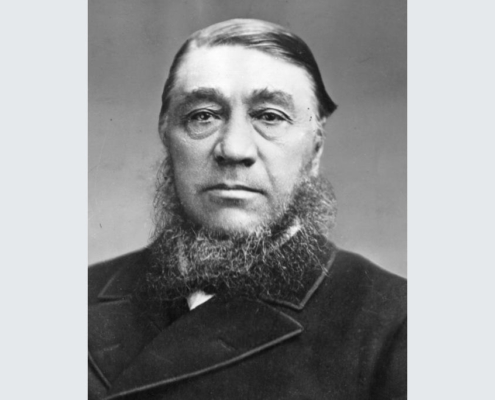
Lucie Loechel2025-04-17 08:30:092025-04-17 10:43:15Berlin and South Africa – A Time-Honoured Connection
https://new.coinsweekly.com/wp-content/uploads/2025/04/2025KW16HA02_00.jpg
684
860
Lucie Loechel
https://new.coinsweekly.com/wp-content/uploads/2023/01/logo-coinsweekly_590x204.png
Lucie Loechel2025-04-17 08:30:092025-04-17 10:43:15Berlin and South Africa – A Time-Honoured Connection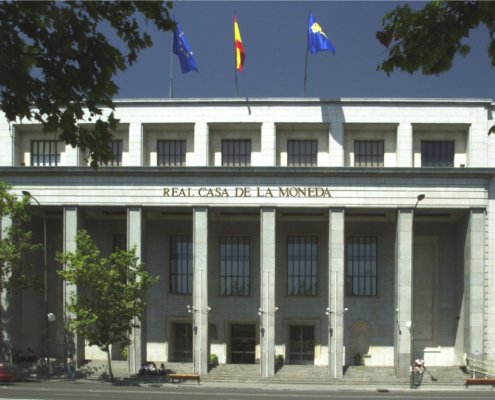 https://new.coinsweekly.com/wp-content/uploads/2024/07/2024KW28HA_00.jpg
684
860
Ursula Kampmann
https://new.coinsweekly.com/wp-content/uploads/2023/01/logo-coinsweekly_590x204.png
Ursula Kampmann2024-07-11 11:04:462024-07-11 11:19:29The Casa de la Moneda Museum in Madrid
https://new.coinsweekly.com/wp-content/uploads/2024/07/2024KW28HA_00.jpg
684
860
Ursula Kampmann
https://new.coinsweekly.com/wp-content/uploads/2023/01/logo-coinsweekly_590x204.png
Ursula Kampmann2024-07-11 11:04:462024-07-11 11:19:29The Casa de la Moneda Museum in Madrid
Double Beginner’s Luck: Man Wins Metal Detector and Finds Hundreds of Coins
A Dorset man was lucky enough to experience two windfalls this spring. First he won an expensive metal detector in a prize draw, then – just a short time later – he made a valuable find with it.
Will the Bayern Thaler Become the Long-Awaited German Bullion Coin?
The Free State of Bavaria has commissioned the Bavarian State Mint to produce a series of precious metal investment products. The “Bayern Thaler” aims to join the ranks of investment icons and is in keeping with the spirit of the times – but there are pitfalls ahead.