







Archive: People and Markets
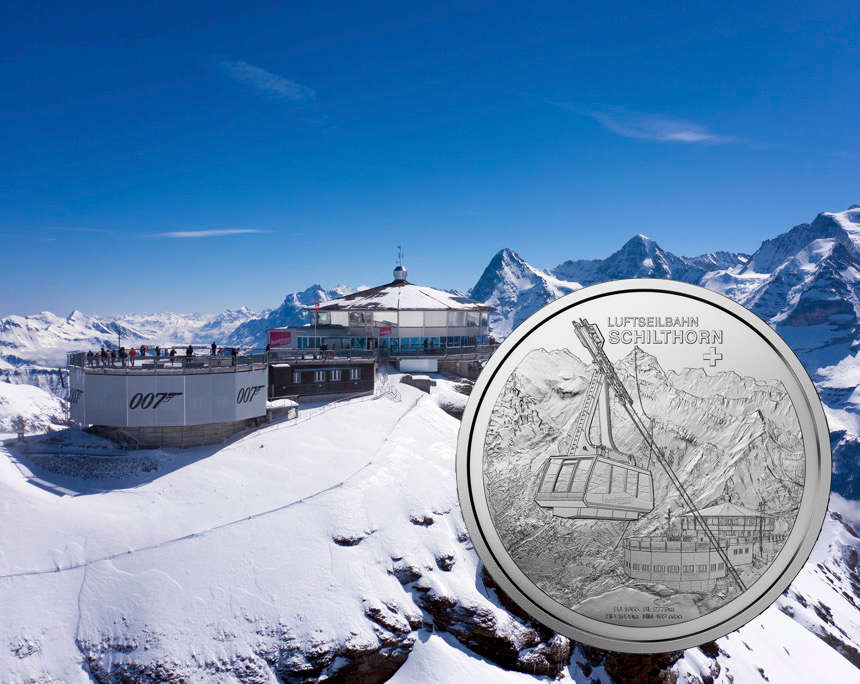
Third edition of the Swiss Cable Cars series: Schilthorn Cable Car
The third coin in the “Swiss Cable Cars” series puts the Schilthorn in focus. A tribute to a region full of history and significance in the Swiss Alps.
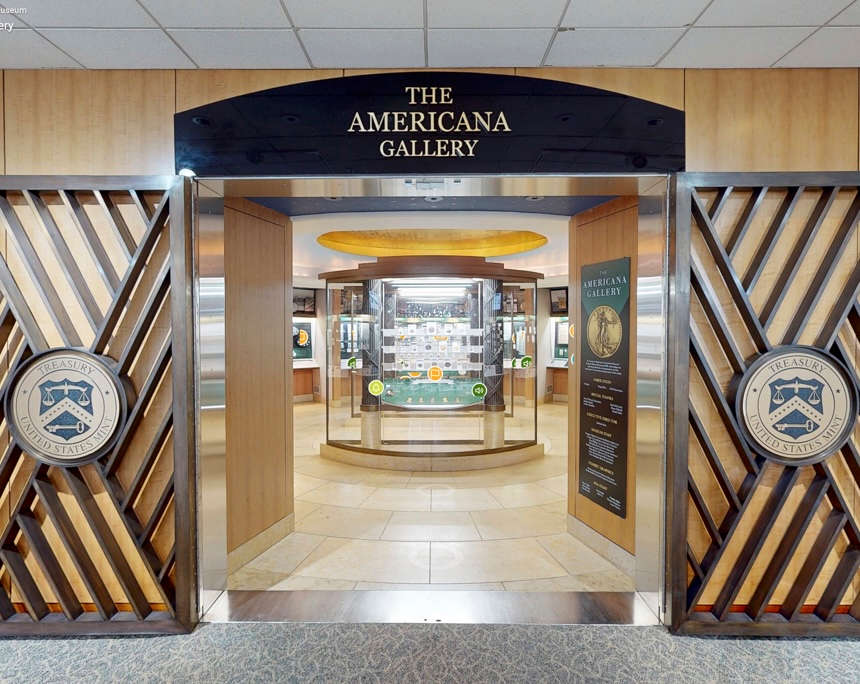
Take a Virtual Tour Through the ANA’s Americana Gallery
The Americana Gallery at the ANA Money Museum guides visitors through the history of money in the United States, with many rarities of American numismatics on display. Now, you can explore this exhibition from the comfort of your home, thanks to a newly launched virtual tour.
Archive: Coins, Medals and more
 https://new.coinsweekly.com/wp-content/uploads/2024/12/2024KW49HA_00-1.jpg
684
860
Lucie Loechel
https://new.coinsweekly.com/wp-content/uploads/2023/01/logo-coinsweekly_590x204.png
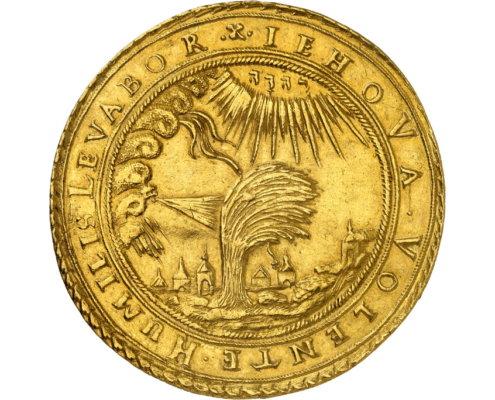
Lucie Loechel2024-12-12 09:49:262024-12-12 10:13:15The Bending Willow Tree
https://new.coinsweekly.com/wp-content/uploads/2024/12/2024KW49HA_00-1.jpg
684
860
Lucie Loechel
https://new.coinsweekly.com/wp-content/uploads/2023/01/logo-coinsweekly_590x204.png
Lucie Loechel2024-12-12 09:49:262024-12-12 10:13:15The Bending Willow Tree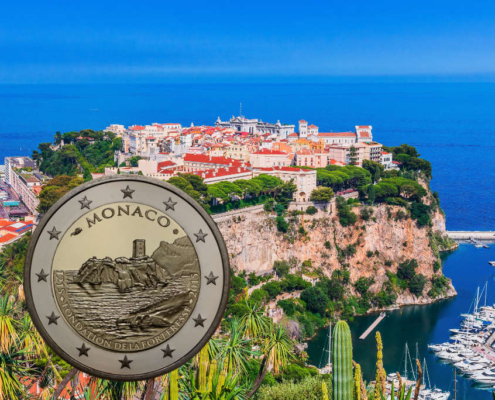 https://new.coinsweekly.com/wp-content/uploads/2024/04/00-2024KW17aHauptartikel.jpeg
684
860
Sebastian Wieschowski
https://new.coinsweekly.com/wp-content/uploads/2023/01/logo-coinsweekly_590x204.png
Sebastian Wieschowski2024-04-25 07:00:362024-04-25 07:52:37A Numismatic Journey Through the Principality of Monaco
https://new.coinsweekly.com/wp-content/uploads/2024/04/00-2024KW17aHauptartikel.jpeg
684
860
Sebastian Wieschowski
https://new.coinsweekly.com/wp-content/uploads/2023/01/logo-coinsweekly_590x204.png
Sebastian Wieschowski2024-04-25 07:00:362024-04-25 07:52:37A Numismatic Journey Through the Principality of Monaco
Coin Dealers Targeted by Organized Crime Groups Following Coin Show Attendances
The Numismatic Crime Information Center warns that coin dealers in the USA are being targeted by organized crime, especially after attending coin shows.
Stack’s Bowers Moves Into New Hong Kong Office
Stack’s Bowers Galleries has relocated their Hong Kong headquarters. The new space is larger with a state-of-the-art auction facility. Opening will take place on October 11.