






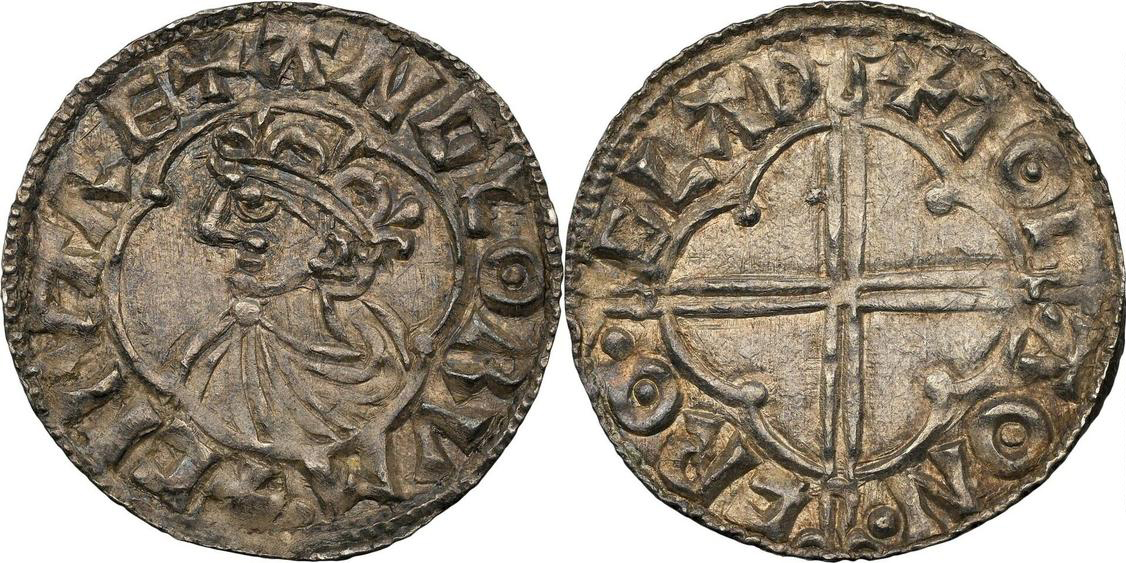
Penny, ND (1016-23).
Cricklade Mint. Cnut.
NGC MS-64.

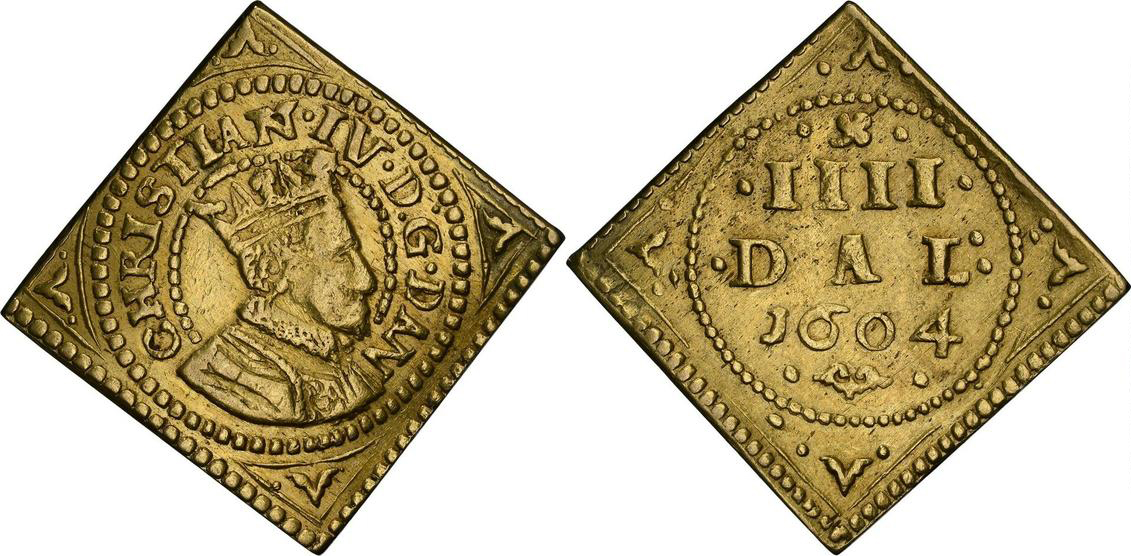
4 Daler Klippe, 1604.
Copenhagen Mint. Christian IV.
NGC AU Details.
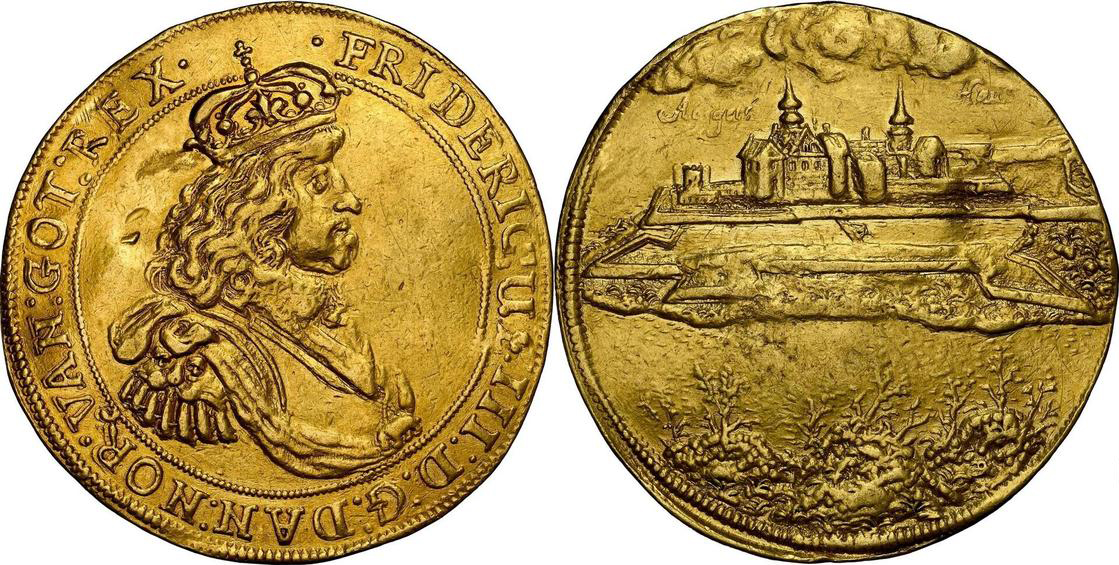
10 Ducat (Portugaloser),
ND (1661). Christiania Mint. Frederik III.
NGC AU Details.
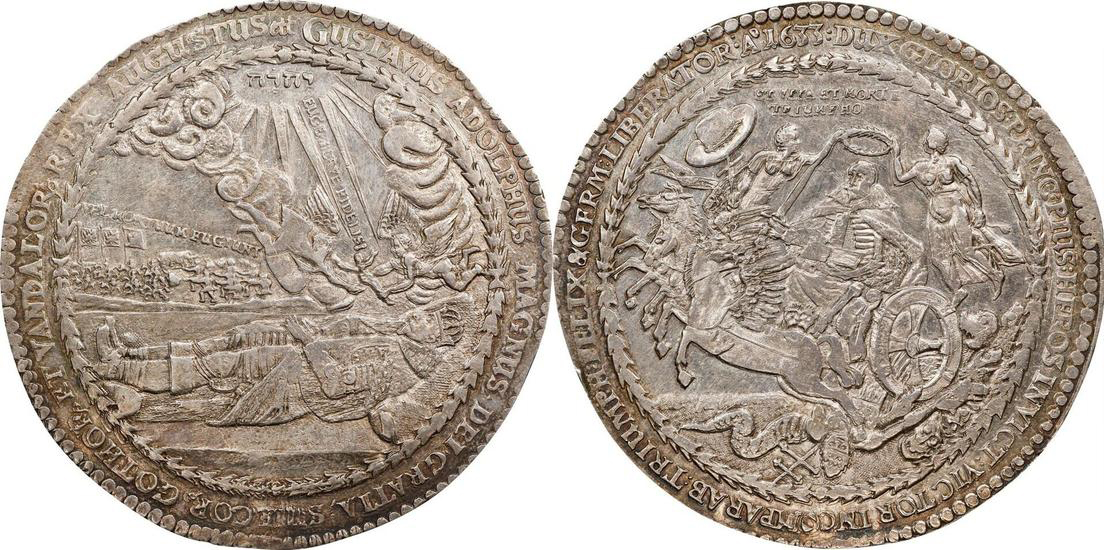
Wolgast. 4 Talers, 1633.
Wolgast Mint. Gustav II Adolf.
NGC AU-58.
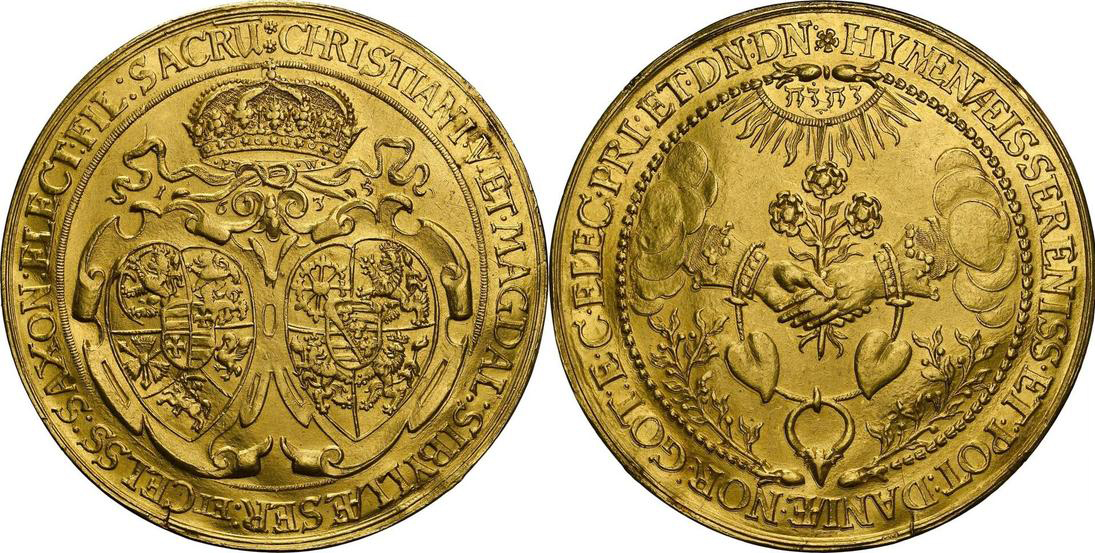
Saxony. Gold Medal /
10 Ducats, 1635. Johann Georg I.
NGC MS-62.
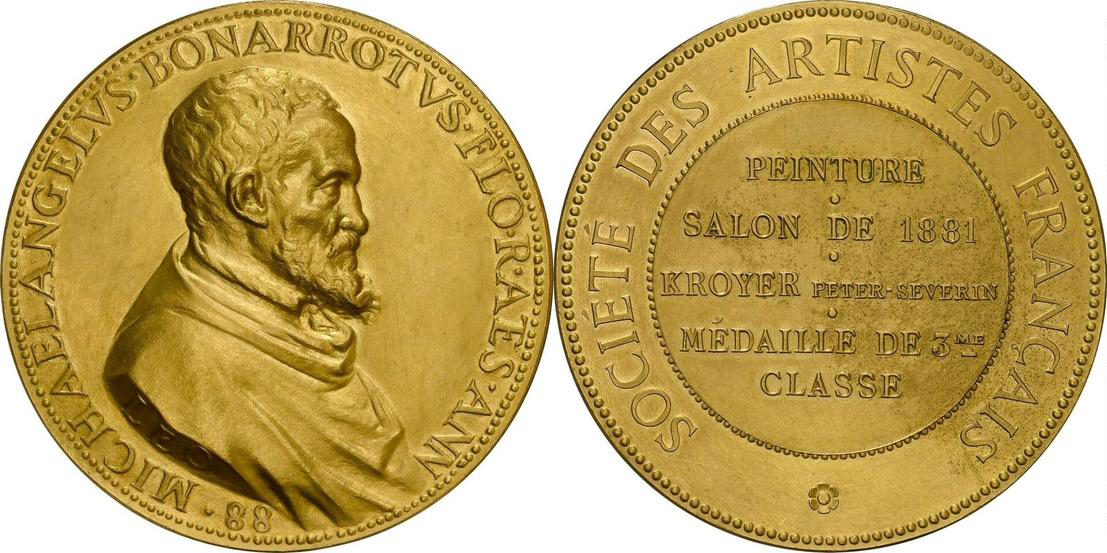
Art Exhibition Gold Medal,
1881. Société des Artistes Français.
NGC MS-61.
Archive: People and Markets
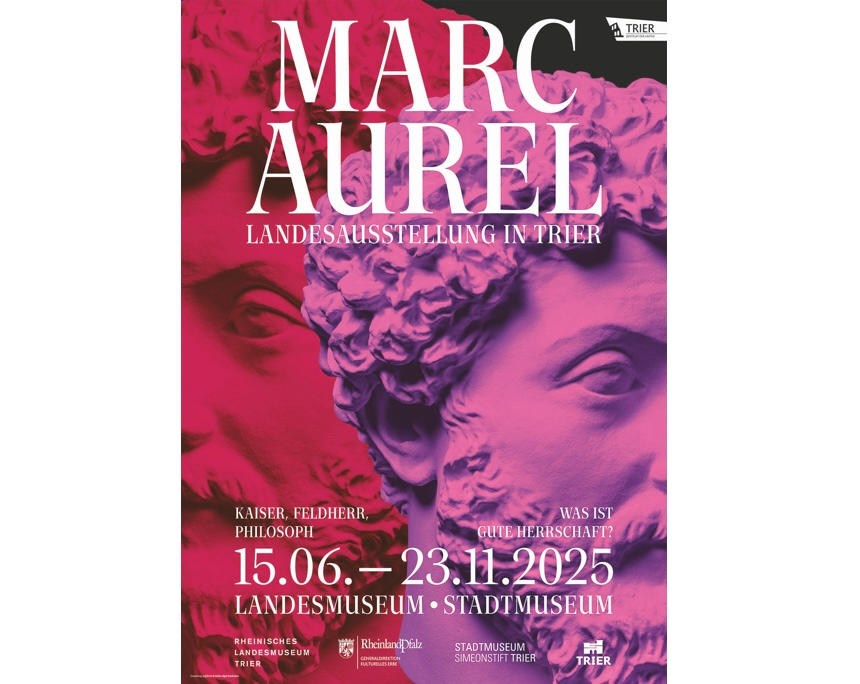
Major State Exhibition at Two Museums in Trier: Marcus Aurelius
The state exhibition on Marcus Aurelius marks the opening of another world-class exhibition on ancient Rome in Trier. Who was the man whose Meditations became world literature? And what actually makes a “good ruler”, a quality which Marcus Aurelius is often said to embody?
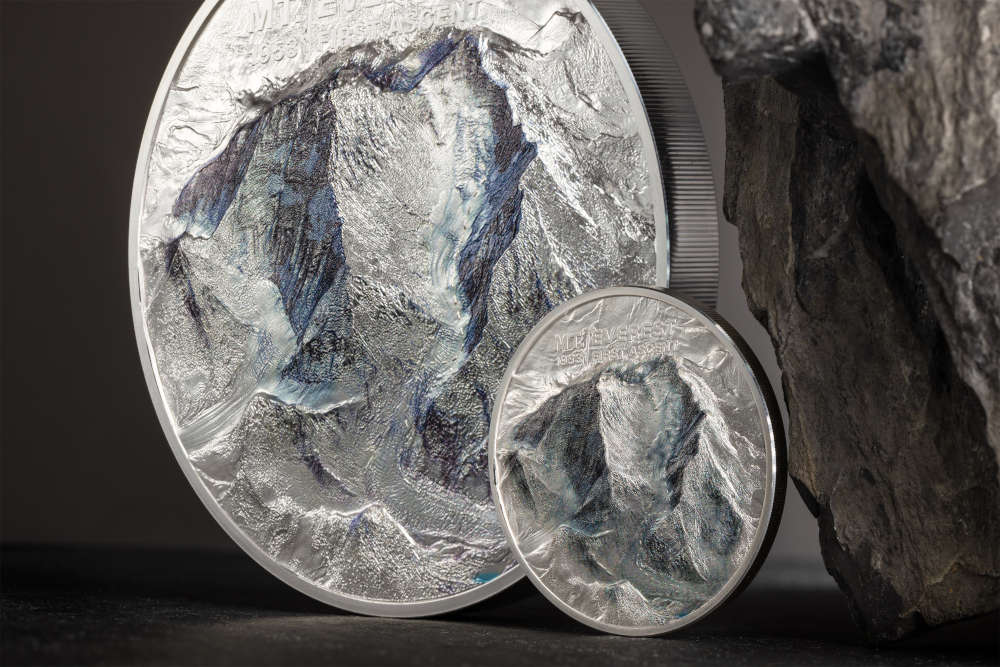
CIT’s Mt. Everest – First Ascent
70 years ago two mountaineers were the first men to reach the summit of Mount Everest. To commemorate this event, CIT has minted two silver coins with Ultra High Relief and further features.
Archive: Coins, Medals and more
 https://new.coinsweekly.com/wp-content/uploads/2023/06/00_Value_of_coins.jpg
750
1000
Bruno
https://new.coinsweekly.com/wp-content/uploads/2023/01/logo-coinsweekly_590x204.png
Bruno2022-06-13 10:56:082023-06-27 11:29:37Planchet Error, Overstrike, Double-Strike, Etc.: Which Errors Affect the Price of a Coin? – Part 1
https://new.coinsweekly.com/wp-content/uploads/2023/06/00_Value_of_coins.jpg
750
1000
Bruno
https://new.coinsweekly.com/wp-content/uploads/2023/01/logo-coinsweekly_590x204.png
Bruno2022-06-13 10:56:082023-06-27 11:29:37Planchet Error, Overstrike, Double-Strike, Etc.: Which Errors Affect the Price of a Coin? – Part 1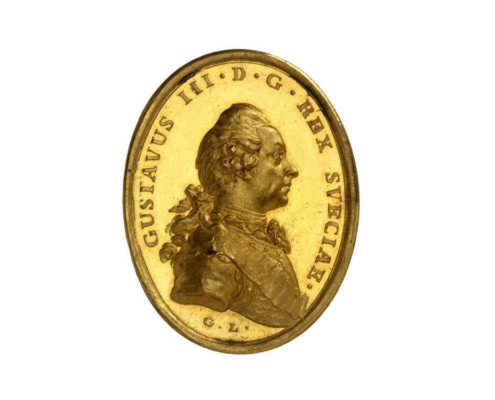 https://new.coinsweekly.com/wp-content/uploads/2023/05/2023KW20HA00.jpg
750
1000
Ursula Kampmann
https://new.coinsweekly.com/wp-content/uploads/2023/01/logo-coinsweekly_590x204.png
Ursula Kampmann2023-05-17 10:00:472023-06-27 11:25:44Gustav III: A Conservative Revolutionary
https://new.coinsweekly.com/wp-content/uploads/2023/05/2023KW20HA00.jpg
750
1000
Ursula Kampmann
https://new.coinsweekly.com/wp-content/uploads/2023/01/logo-coinsweekly_590x204.png
Ursula Kampmann2023-05-17 10:00:472023-06-27 11:25:44Gustav III: A Conservative Revolutionary
Coins and Mints in Avignon Between Provence and Papacy
The French Society for Numismatic and Archaeological Studies (SÉNA) published the proceedings of their 2017 colloquium. The volume presents various works and studies on the coinage in and around Avignon.
Ivana Brlić-Mažuranić: The Woman Who Gave Croatia Its Fairy Tales
Ivana Brlić-Mažuranić is one of the authors that every Croatian is familiar with because they grew up listening to her fairy tales. Now the Croatian National Bank is issuing two collector coins to commemorate the 150th birthday of Ivana Brlić-Mažuranić.