







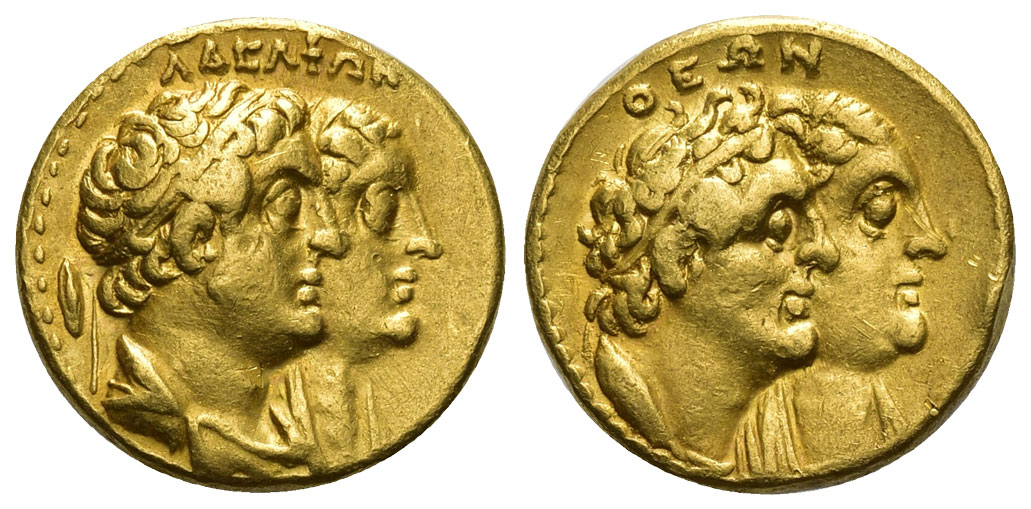
AV Tetradrachm (282–272 BC),
King Ptolemy II and Queen Arsinoe II.
From the major collection of Alexandria mint.
Condition: vf+
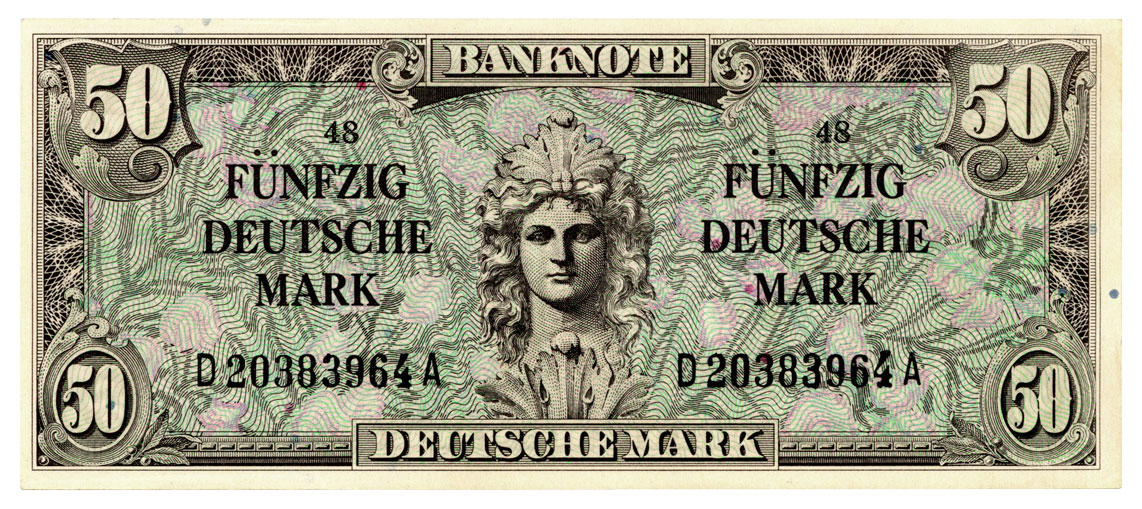
50 Deutsche Mark o.D. ( 1948-1949) "Liberty".
Condition: extremly rare, I
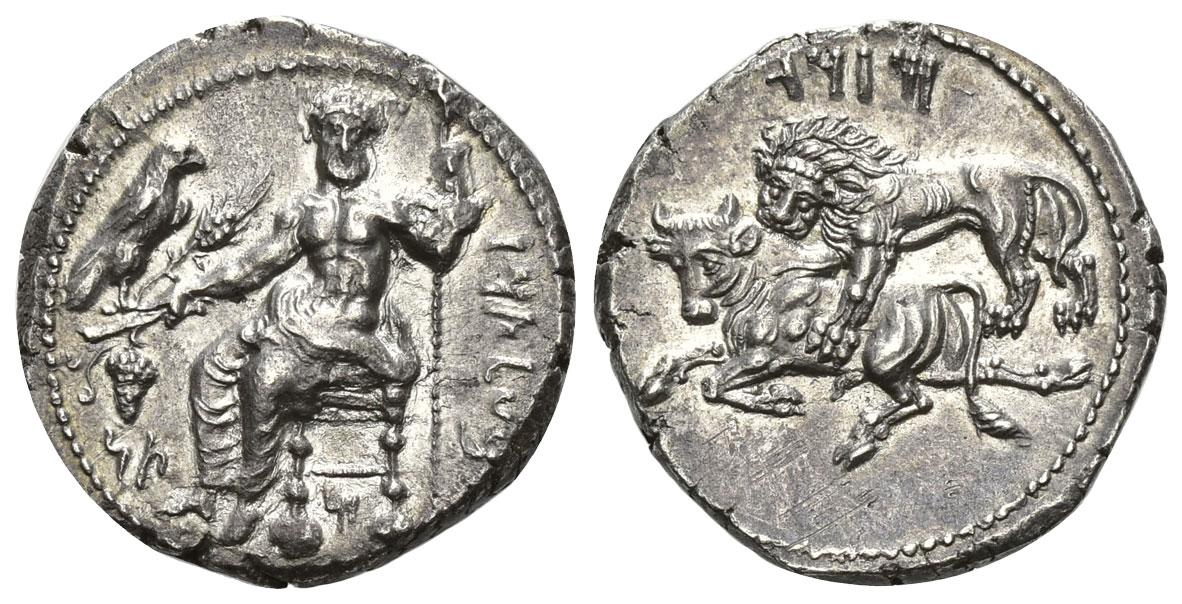
AR Stater (361-334 BC).
Obv. Baal of Tarsos.
Conditon: ef
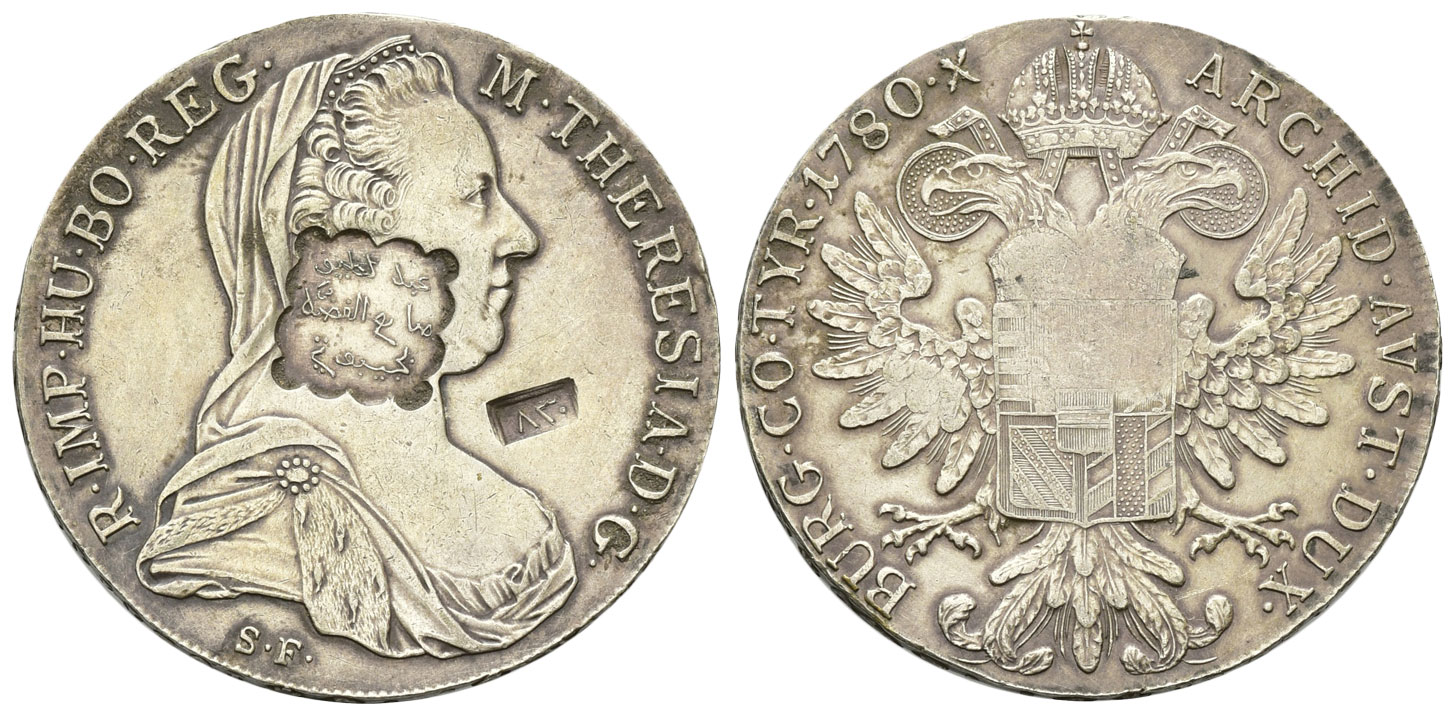
Taler 1780 SF
with counter stamp Djibouti (1870-1900).
Condition: vf
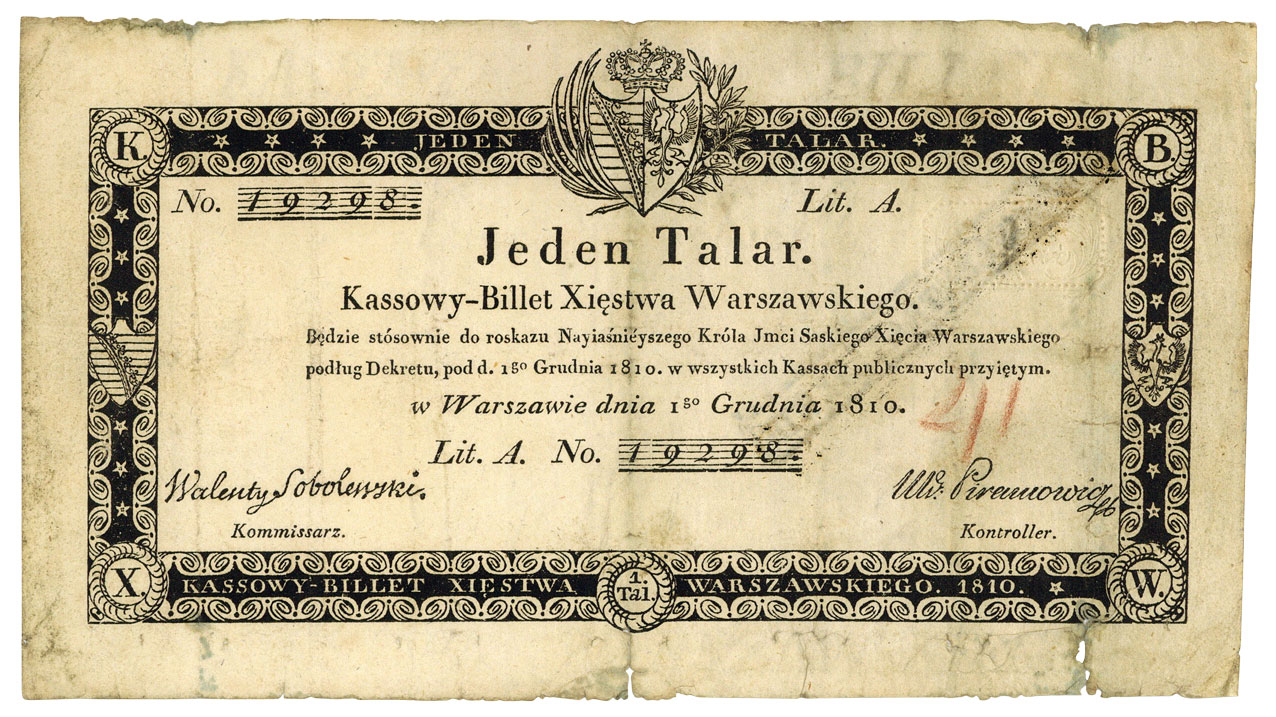
1 Talar 1. December 1810.
Condition: III-IV
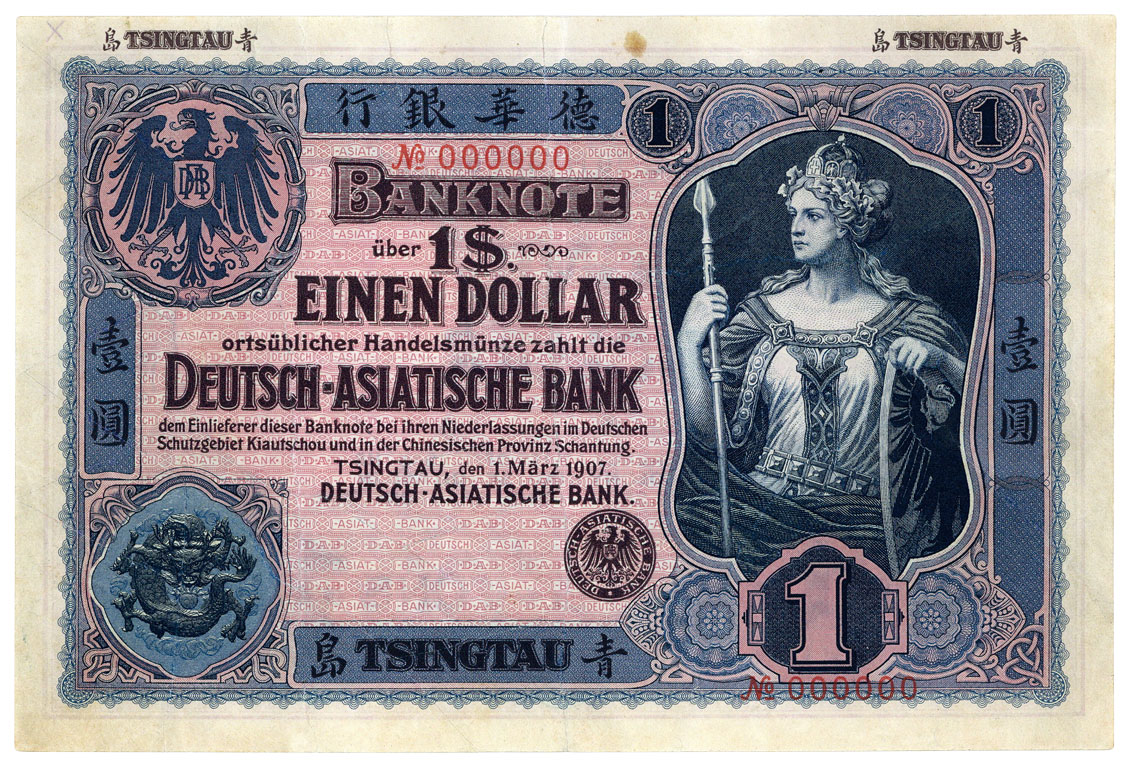
1 Dollar 1.3.1907, Tsingtao.
Condition: very rare, restored
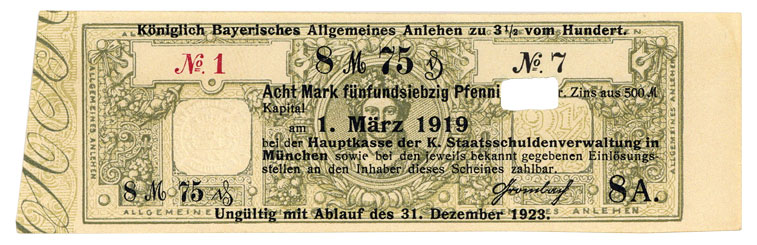
Royal Bavarian General Loan.
8.75 Marks, March 1, 1919.
Condition: rare, I
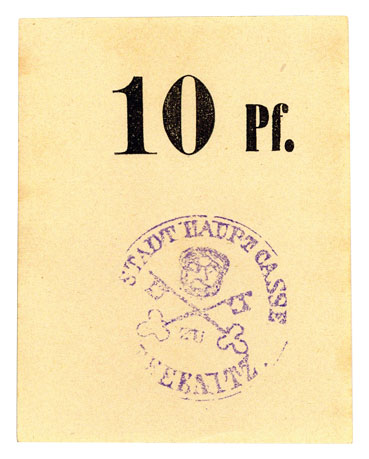
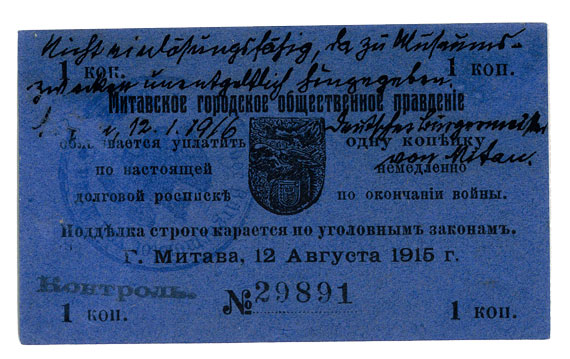
Archive: People and Markets
Important Volumes on Ancient Numismatics Will Soon Be Freely Available Online
A great piece of news: Over 6,000 volumes primarily on ancient numismatics from the S&S Library will be digitized and made available for everyone through the Newman Numismatic Portal.
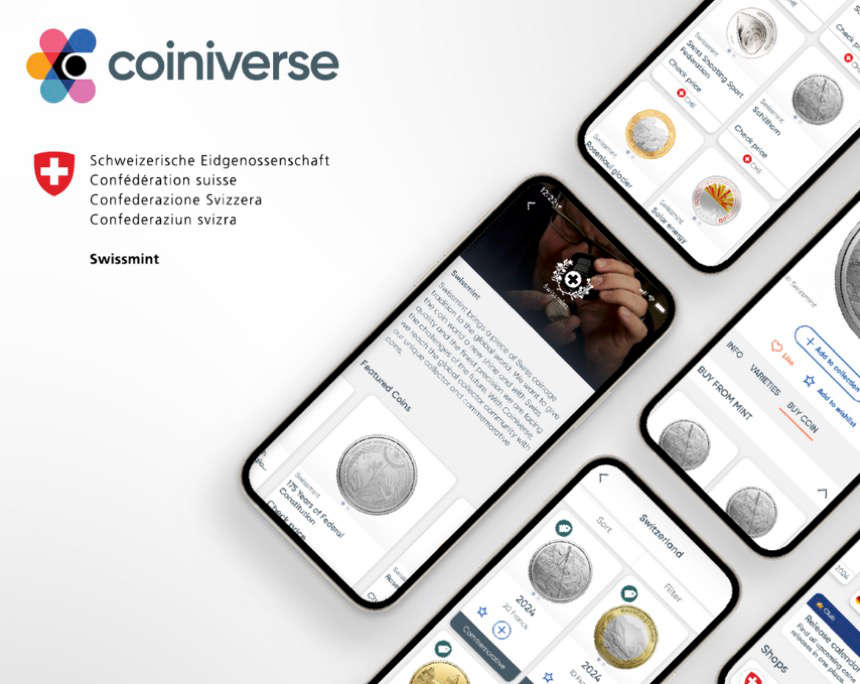
Swissmint Becomes First eCommerce Partner on Coiniverse
The numismatic smartphone application, founded by the mint of Finland and turned into an independent start-up, aims to become a marketplace for mints and coin dealers around the world.
Archive: Coins, Medals and more
 https://new.coinsweekly.com/wp-content/uploads/2023/09/2023KW36HA_00.jpg
684
860
Ursula Kampmann
https://new.coinsweekly.com/wp-content/uploads/2023/01/logo-coinsweekly_590x204.png
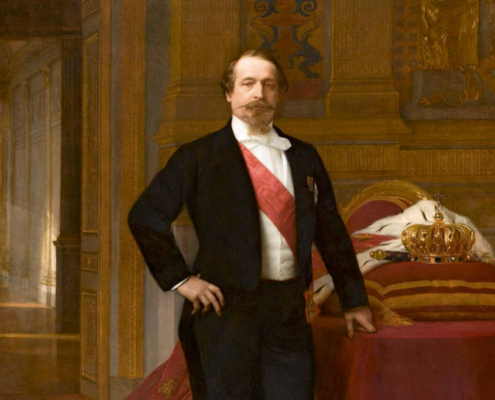
Ursula Kampmann2023-09-06 14:30:102023-09-06 14:30:10French History in Coins – Part 3: A New Napoleon
https://new.coinsweekly.com/wp-content/uploads/2023/09/2023KW36HA_00.jpg
684
860
Ursula Kampmann
https://new.coinsweekly.com/wp-content/uploads/2023/01/logo-coinsweekly_590x204.png
Ursula Kampmann2023-09-06 14:30:102023-09-06 14:30:10French History in Coins – Part 3: A New Napoleon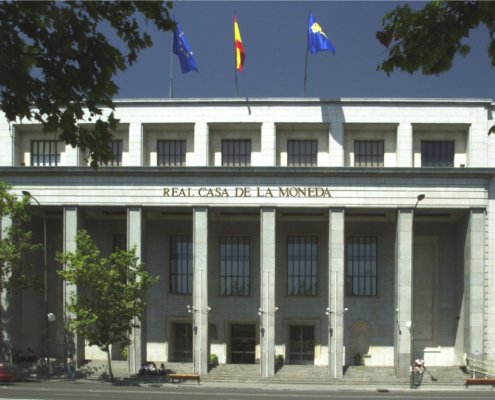 https://new.coinsweekly.com/wp-content/uploads/2024/07/2024KW28HA_00.jpg
684
860
Ursula Kampmann
https://new.coinsweekly.com/wp-content/uploads/2023/01/logo-coinsweekly_590x204.png
Ursula Kampmann2024-07-11 11:04:462024-07-11 11:19:29The Casa de la Moneda Museum in Madrid
https://new.coinsweekly.com/wp-content/uploads/2024/07/2024KW28HA_00.jpg
684
860
Ursula Kampmann
https://new.coinsweekly.com/wp-content/uploads/2023/01/logo-coinsweekly_590x204.png
Ursula Kampmann2024-07-11 11:04:462024-07-11 11:19:29The Casa de la Moneda Museum in Madrid
Marija Jurić Zagorka: A Feminist Icon from Croatia
The Croatian National Bank, in cooperation with the Croatian Mint, continues its series on Croatian literature. The second issue is dedicated to Marija Jurić Zagorka. She is celebrated in Croatia as an icon of feminism.
Double Beginner’s Luck: Man Wins Metal Detector and Finds Hundreds of Coins
A Dorset man was lucky enough to experience two windfalls this spring. First he won an expensive metal detector in a prize draw, then – just a short time later – he made a valuable find with it.