







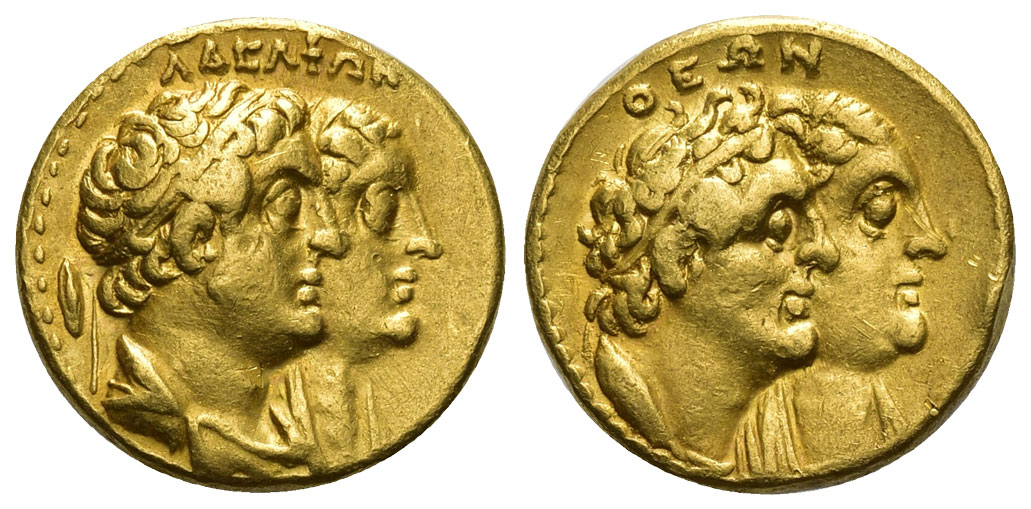
AV Tetradrachm (282–272 BC),
King Ptolemy II and Queen Arsinoe II.
From the major collection of Alexandria mint.
Condition: vf+
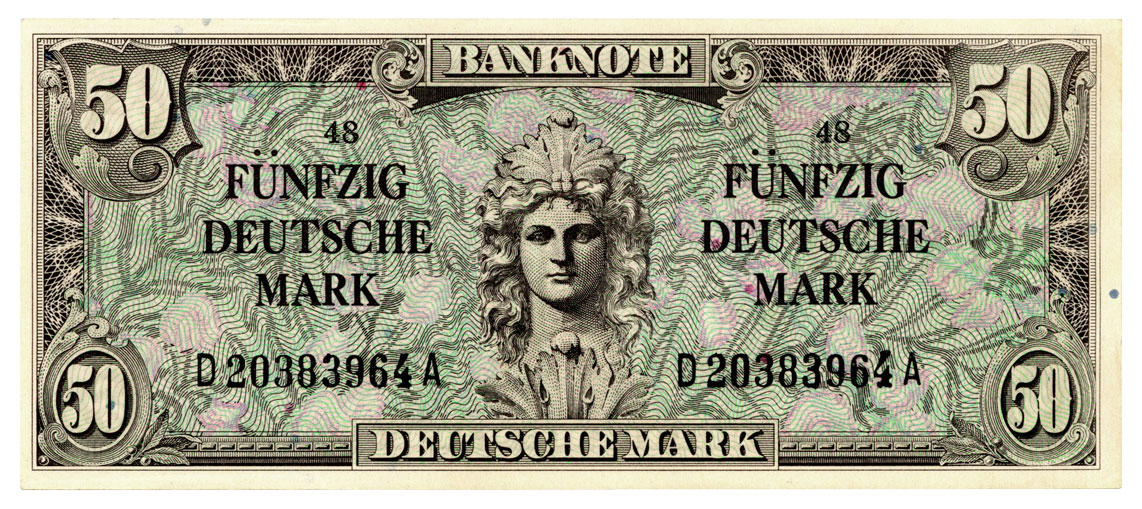
50 Deutsche Mark o.D. ( 1948-1949) "Liberty".
Condition: extremly rare, I
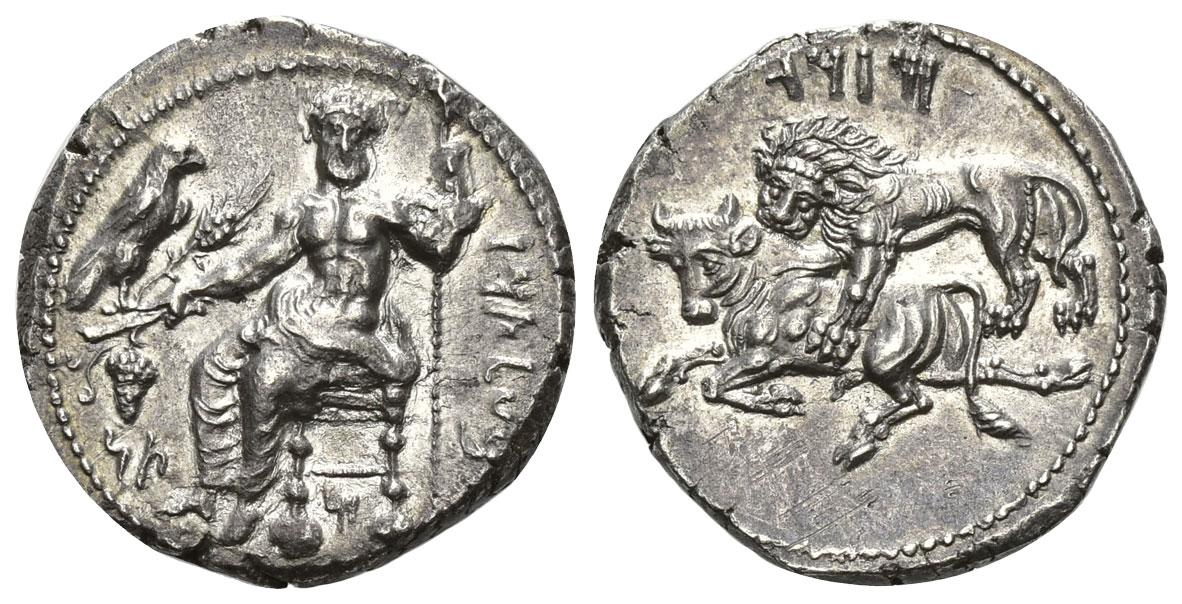
AR Stater (361-334 BC).
Obv. Baal of Tarsos.
Conditon: ef
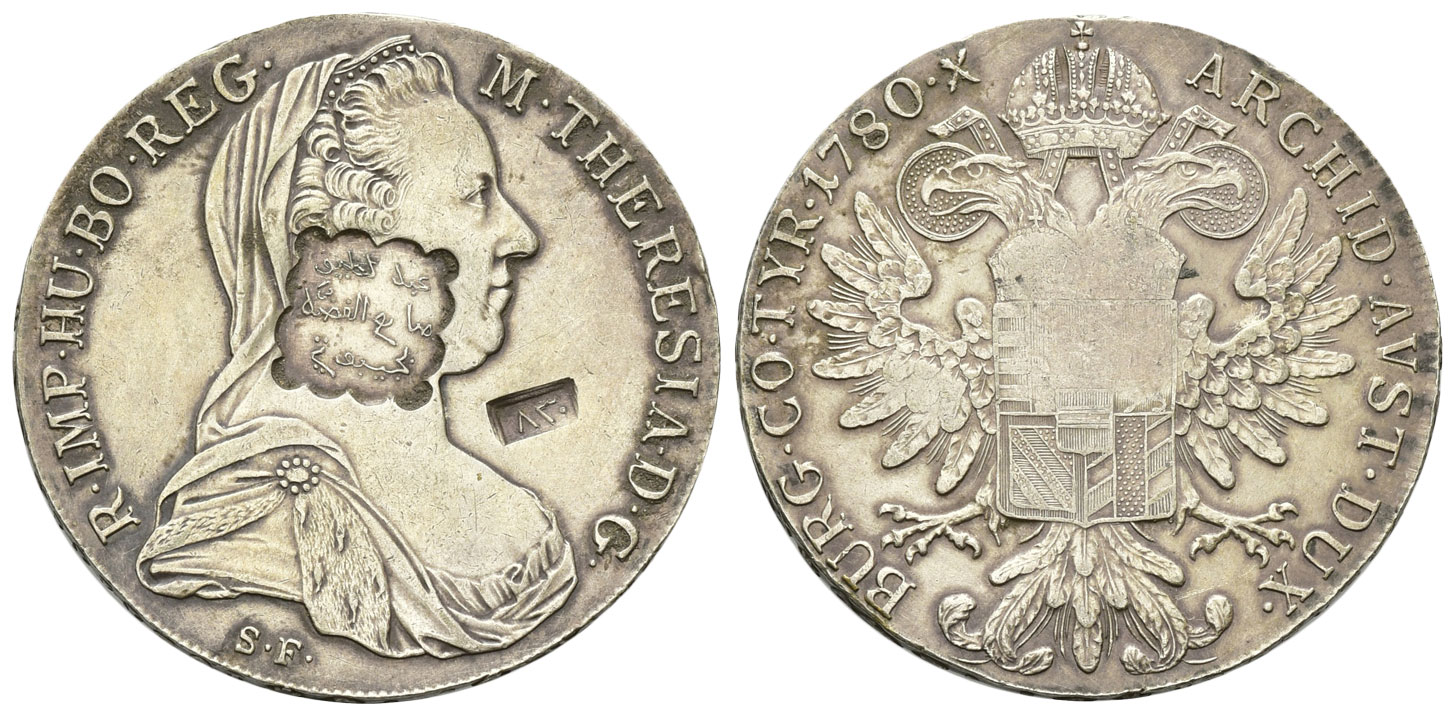
Taler 1780 SF
with counter stamp Djibouti (1870-1900).
Condition: vf
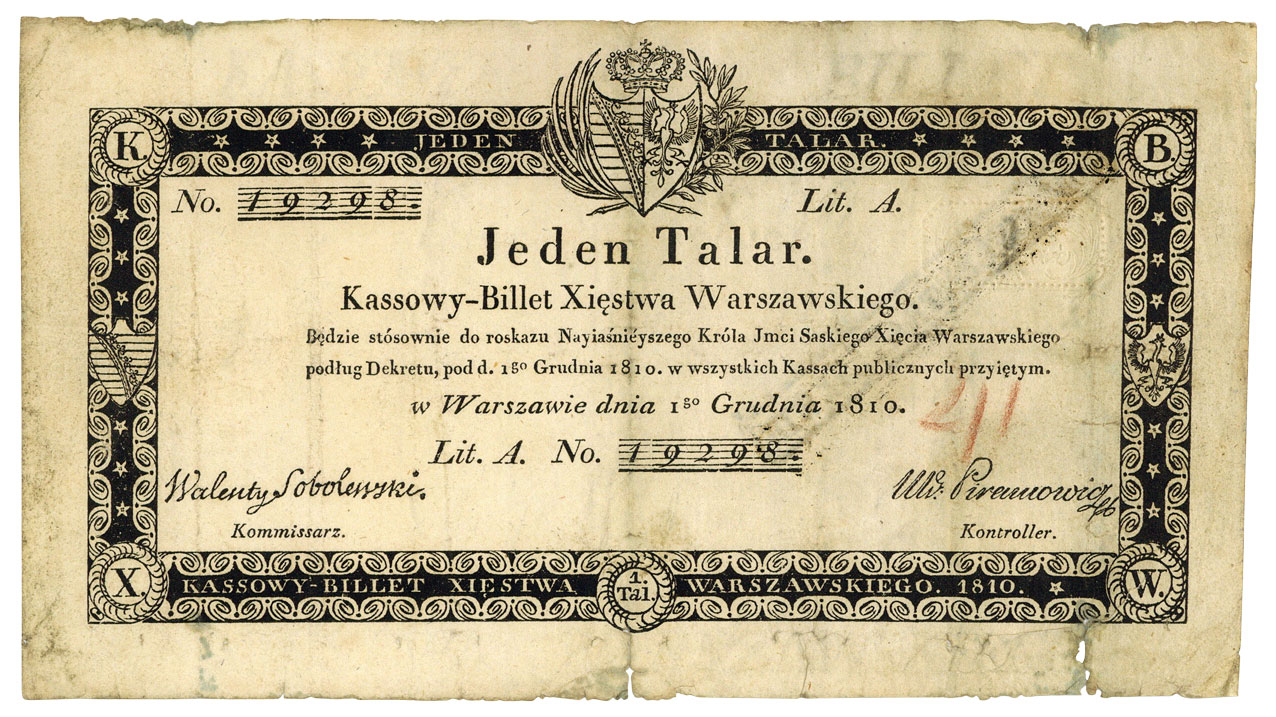
1 Talar 1. December 1810.
Condition: III-IV
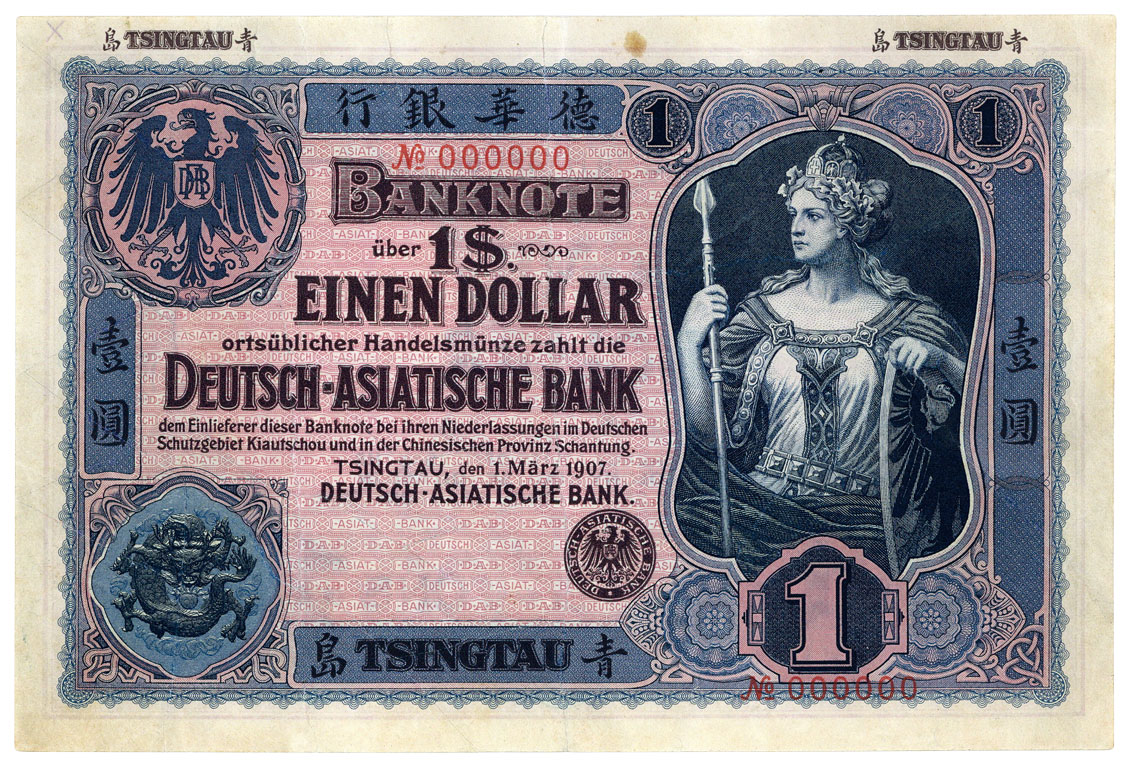
1 Dollar 1.3.1907, Tsingtao.
Condition: very rare, restored
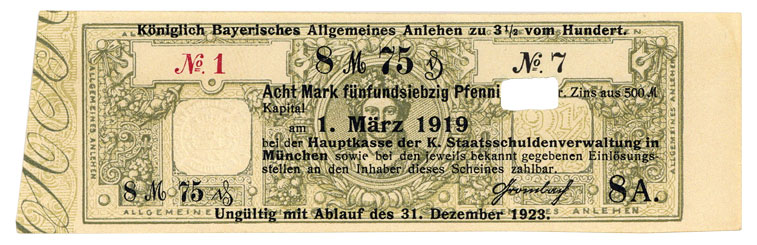
Royal Bavarian General Loan.
8.75 Marks, March 1, 1919.
Condition: rare, I
Archive: People and Markets
The Winners of the COTY Award 2024
At the World’s Fair of Money, the winners of the prestigious Coin of the Year (COTY) Awards were honored. Find out here which coins won the category awards and which country took home the award for Coin of the Year.
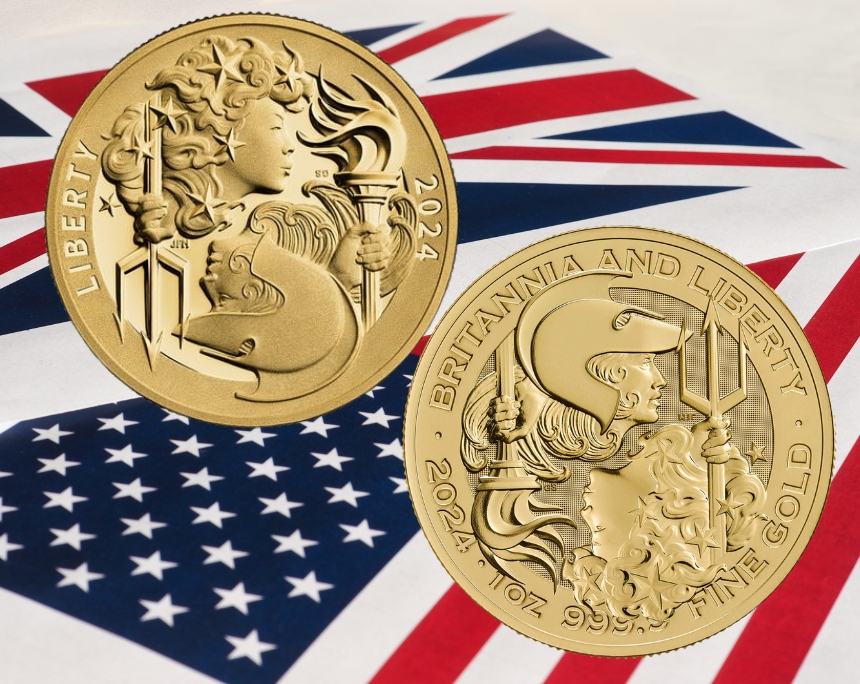
Two Powerful Women – a Premiere in Gold and Silver
The British Royal Mint and the United States Mint collaborated to create a joint issue combining the well-known coin motifs of Lady Liberty and Britannia. They went all the way and had the chief engravers of both mints group up for a one-of-a-kind partnership.
Archive: Coins, Medals and more
 https://new.coinsweekly.com/wp-content/uploads/2024/09/2024KW38HA_00.jpg
684
860
Ursula Kampmann
https://new.coinsweekly.com/wp-content/uploads/2023/01/logo-coinsweekly_590x204.png
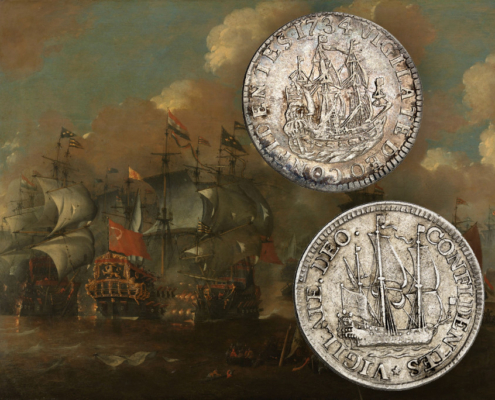
Ursula Kampmann2024-09-19 10:16:302024-09-19 11:07:49Bloody Flag and Scheepjesschelling
https://new.coinsweekly.com/wp-content/uploads/2024/09/2024KW38HA_00.jpg
684
860
Ursula Kampmann
https://new.coinsweekly.com/wp-content/uploads/2023/01/logo-coinsweekly_590x204.png
Ursula Kampmann2024-09-19 10:16:302024-09-19 11:07:49Bloody Flag and Scheepjesschelling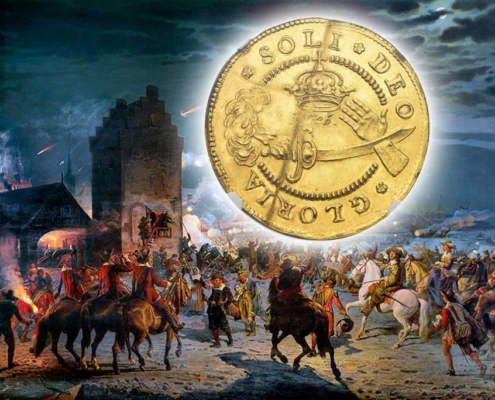 https://new.coinsweekly.com/wp-content/uploads/2024/10/2024KW40HA1_00.jpg
684
860
Bruno
https://new.coinsweekly.com/wp-content/uploads/2023/01/logo-coinsweekly_590x204.png
Bruno2024-10-02 13:27:042024-10-02 15:38:36Frederick III of Denmark and Eben Ezer
https://new.coinsweekly.com/wp-content/uploads/2024/10/2024KW40HA1_00.jpg
684
860
Bruno
https://new.coinsweekly.com/wp-content/uploads/2023/01/logo-coinsweekly_590x204.png
Bruno2024-10-02 13:27:042024-10-02 15:38:36Frederick III of Denmark and Eben Ezer
Coin of the Year: Surprising Picks and Standout Themes from the Oscars of Numismatics
Every year, collectors around the world eagerly await the nominations for the Coin of the Year (COTY) Award, which honors the most outstanding coin issues from across the globe.
CoinsWeekly Special Issue for the TICC Tokyo 2024
After overwhelming interest last year, we have once again published a printed CoinsWeekly Special Issue for TICC 2024, which takes place in Tokyo from April 26 to 28. If you can’t make it to Tokyo, you can download the PDF here.