







Archive: People and Markets

Germany’s New Platform Tax Transparency Act: A Problem for eBay Coin Dealers?
Germany’s new Platform Tax Transparency Act has caused great concern among German coin collectors. Will they have to explain themselves to the tax authorities whenever they sell pieces of their collection? In most cases, the answer is no. Unless their hobby turns into a regular side-line.
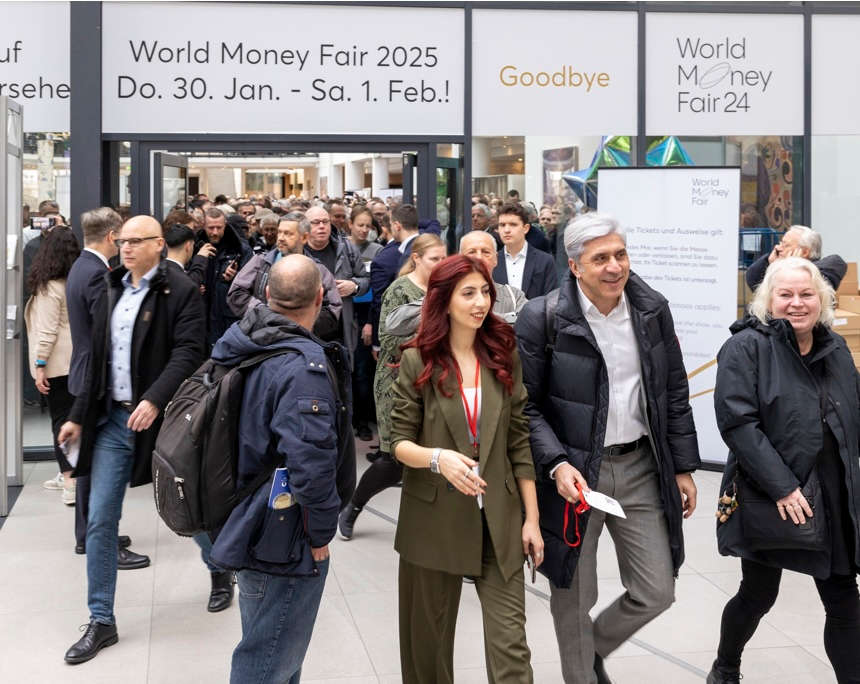
New Security Standards for the World Money Fair
The personalization of tickets has become standard at many events. Starting in 2025, visitors to the World Money Fair will be required to provide their personal data when purchasing tickets.
Archive: Coins, Medals and more
 https://new.coinsweekly.com/wp-content/uploads/2024/09/2024KW39HA_00.jpg
684
860
Sebastian Wieschowski
https://new.coinsweekly.com/wp-content/uploads/2023/01/logo-coinsweekly_590x204.png
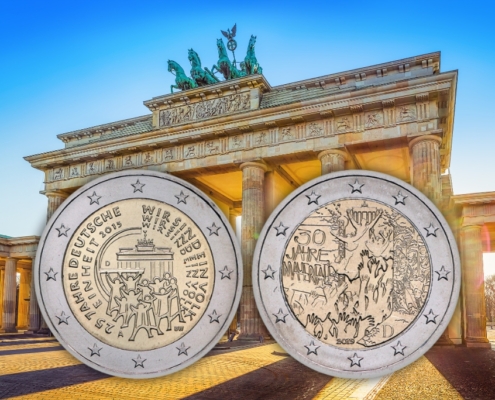
Sebastian Wieschowski2024-09-26 06:00:552024-09-26 09:25:24Unity Coin Sows Discord: More Than Just a Matter of Taste?
https://new.coinsweekly.com/wp-content/uploads/2024/09/2024KW39HA_00.jpg
684
860
Sebastian Wieschowski
https://new.coinsweekly.com/wp-content/uploads/2023/01/logo-coinsweekly_590x204.png
Sebastian Wieschowski2024-09-26 06:00:552024-09-26 09:25:24Unity Coin Sows Discord: More Than Just a Matter of Taste?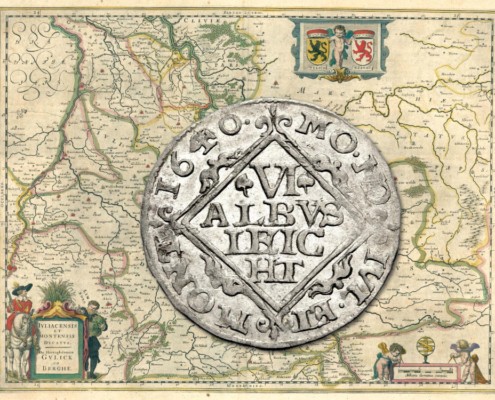 https://new.coinsweekly.com/wp-content/uploads/2023/06/2023KW25HA01_00.jpg
750
1000
Ursula Kampmann
https://new.coinsweekly.com/wp-content/uploads/2023/01/logo-coinsweekly_590x204.png
Ursula Kampmann2023-06-21 17:00:302023-06-27 11:18:18A Discovery From Jülich-Berg
https://new.coinsweekly.com/wp-content/uploads/2023/06/2023KW25HA01_00.jpg
750
1000
Ursula Kampmann
https://new.coinsweekly.com/wp-content/uploads/2023/01/logo-coinsweekly_590x204.png
Ursula Kampmann2023-06-21 17:00:302023-06-27 11:18:18A Discovery From Jülich-Berg
Daniel Neuberger and the Art of Deception – Exhibition at the Kunsthistorisches Museum
The Kunsthistorisches Museum Vienna is currently showing a special exhibition about Daniel Neuberger. Neuberger (1621–1680) was one of the most important and versatile artists at the imperial court in Vienna, where he worked as a wax sculptor, portraitist, and lapidary for Emperor Ferdinand III and his sons Ferdinand IV and Leopold I. more
Germany’s New Platform Tax Transparency Act: A Problem for eBay Coin Dealers?
Germany’s new Platform Tax Transparency Act has caused great concern among German coin collectors. Will they have to explain themselves to the tax authorities whenever they sell pieces of their collection? In most cases, the answer is no. Unless their hobby turns into a regular side-line.