







Archive: People and Markets

CCG is Expanding its Network of Partners
CCG is continuously expanding its network of partners around the globe. Recently, for example, they appointed Currencypedia as an NGC and PMG Authorized Dealer in India and Aste Aurora an Official Submission Center in San Marino.
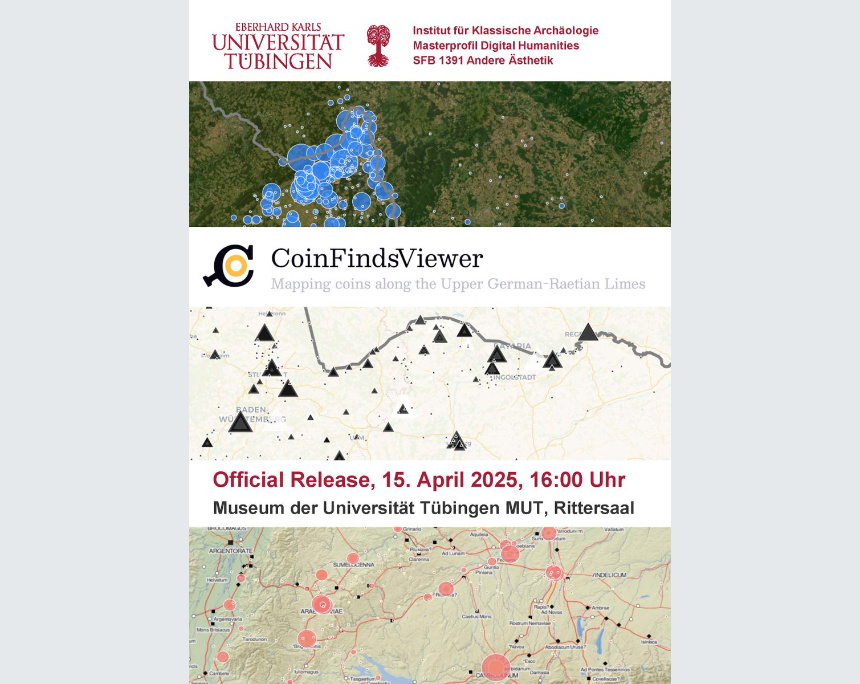
CoinFindsViewer – Roman Coin Finds in Southern Germany
Recently a new numismatic project went online: the CoinFindsViewer represents the first large-scale visualization of Roman coin find data in southern Germany. It enables users to interactively explore the dataset along the Roman frontier, the Limes, and its hinterland across various historical periods.
Archive: Coins, Medals and more
 https://new.coinsweekly.com/wp-content/uploads/2024/10/2024KW44HA_00.jpg
684
860
Lucie Loechel
https://new.coinsweekly.com/wp-content/uploads/2023/01/logo-coinsweekly_590x204.png
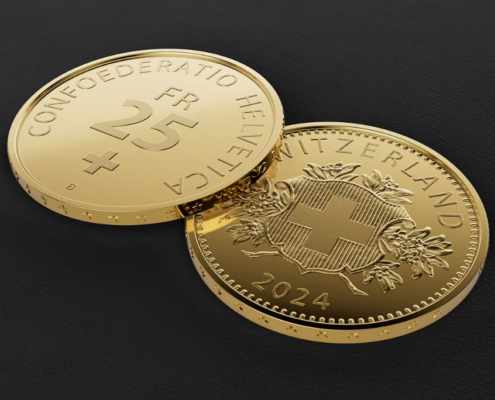
Lucie Loechel2024-10-30 11:12:142024-10-30 11:12:1425 Francs in Gold: Swissmint’s New Gold Coin
https://new.coinsweekly.com/wp-content/uploads/2024/10/2024KW44HA_00.jpg
684
860
Lucie Loechel
https://new.coinsweekly.com/wp-content/uploads/2023/01/logo-coinsweekly_590x204.png
Lucie Loechel2024-10-30 11:12:142024-10-30 11:12:1425 Francs in Gold: Swissmint’s New Gold Coin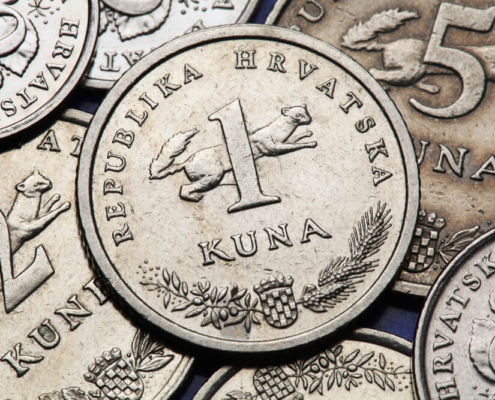 https://new.coinsweekly.com/wp-content/uploads/2023/06/CoCo03_09.jpg
667
1000
Ursula Kampmann
https://new.coinsweekly.com/wp-content/uploads/2023/01/logo-coinsweekly_590x204.png
Ursula Kampmann2022-06-13 10:37:152023-06-27 10:39:21What Will Be Depicted on Croatia’s Euro Coins?
https://new.coinsweekly.com/wp-content/uploads/2023/06/CoCo03_09.jpg
667
1000
Ursula Kampmann
https://new.coinsweekly.com/wp-content/uploads/2023/01/logo-coinsweekly_590x204.png
Ursula Kampmann2022-06-13 10:37:152023-06-27 10:39:21What Will Be Depicted on Croatia’s Euro Coins?
Putting Survival Ratios of Ancient Coinages Into Perspective – Call for Papers
The 7th International Numismatic Conference of the Coin Cabinet of the Royal Library of Belgium takes place on 5 October 2024 and will focus on survival ratios of ancient coinages. Proposals for submissions are expected by 1 December 2023.
New Security Standards for the World Money Fair
The personalization of tickets has become standard at many events. Starting in 2025, visitors to the World Money Fair will be required to provide their personal data when purchasing tickets.