











Archive: People and Markets
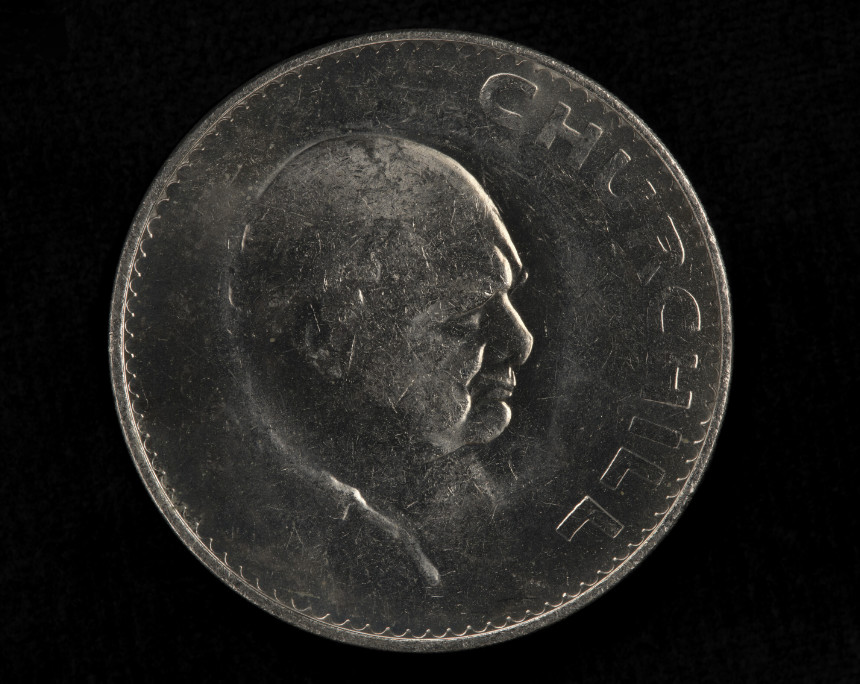
Sir Winston Churchill at 150: Highlights From the J. Eric Engstrom Medal Collection
Last November, Winston Churchill would have turned 150 years old. To mark the occasion, the Heberden Coin Room at the Ashmolean is displaying pieces from their rich collection of medals related to Churchill, most of which come from the J. Eric Engstrom Collection of Churchill Medals.
ICOMON Annual Conference 2024 – Call for Papers
ICOMON is looking for presentations for their annual conference 2024, which will be held in Stockholm. One topic that will be particularly in focus is Cross-Organization Collaborations. Abstracts can be submitted until 31 January 2024.
Archive: Coins, Medals and more
 https://new.coinsweekly.com/wp-content/uploads/2024/09/2024KW38HA_00.jpg
684
860
Ursula Kampmann
https://new.coinsweekly.com/wp-content/uploads/2023/01/logo-coinsweekly_590x204.png
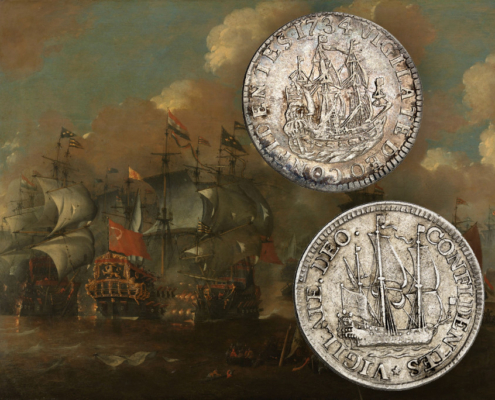
Ursula Kampmann2024-09-19 10:16:302024-09-19 11:07:49Bloody Flag and Scheepjesschelling
https://new.coinsweekly.com/wp-content/uploads/2024/09/2024KW38HA_00.jpg
684
860
Ursula Kampmann
https://new.coinsweekly.com/wp-content/uploads/2023/01/logo-coinsweekly_590x204.png
Ursula Kampmann2024-09-19 10:16:302024-09-19 11:07:49Bloody Flag and Scheepjesschelling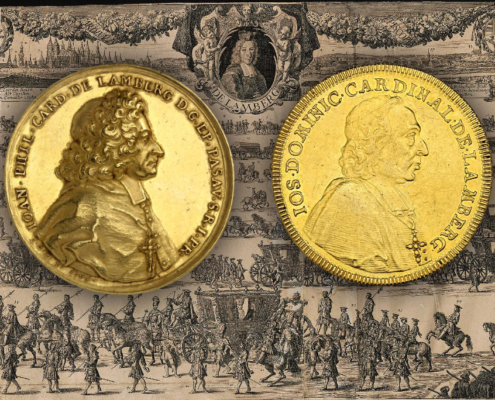 https://new.coinsweekly.com/wp-content/uploads/2025/06/2025KW25HA01_00.jpg
684
860
Lucie Loechel
https://new.coinsweekly.com/wp-content/uploads/2023/01/logo-coinsweekly_590x204.png
Lucie Loechel2025-06-18 09:13:002025-06-18 09:13:00Münster, Osnabrück, Passau and the Counts of Lamberg
https://new.coinsweekly.com/wp-content/uploads/2025/06/2025KW25HA01_00.jpg
684
860
Lucie Loechel
https://new.coinsweekly.com/wp-content/uploads/2023/01/logo-coinsweekly_590x204.png
Lucie Loechel2025-06-18 09:13:002025-06-18 09:13:00Münster, Osnabrück, Passau and the Counts of Lamberg
Bowing to a Croatian Basketball Legend
In 1993, Dražen Petrović, one of the world’s most famous basketball players, died aged only 29 years. With his ambition, hard work, reliability, and modesty, the “Mozart of Basketball” continues to inspire many of his fans to this day.
Possible Motifs Selected for Future Euro Banknotes
The Governing Council of the European Central Bank (ECB) has agreed on potential motifs for future Euro banknotes.