







Archive: People and Markets
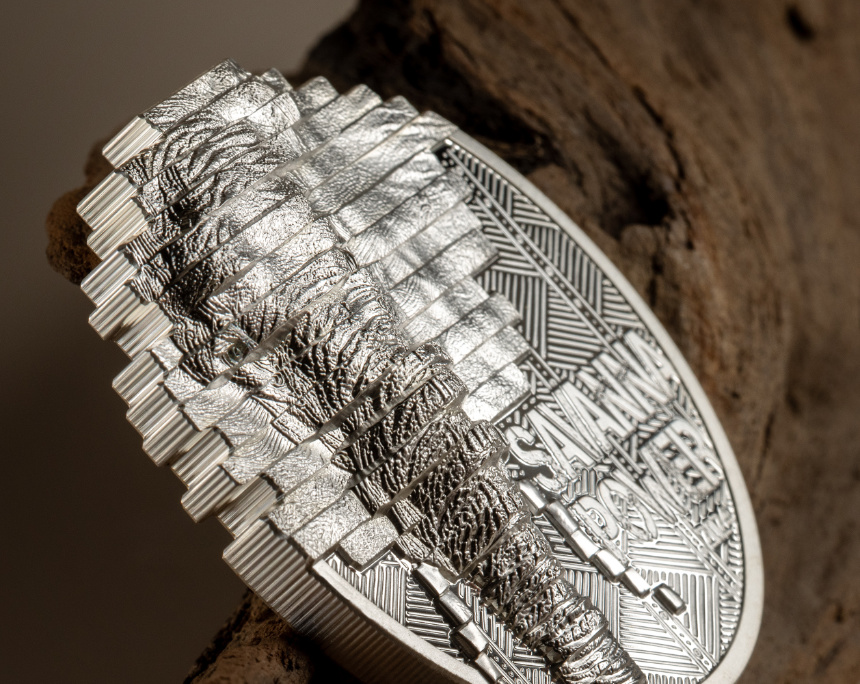
New CIT Issue: Reconstruction – Elephant
With the Reconstruction series, CIT presents a new type of coin design, showcasing once again the ingenious way in which B. H. Mayer’s Kunstprägeanstalt transforms the demanding designs of the Liechtenstein innovators into minted objects.

A Family Reunion of the World of Coins: The 2025 World Money Fair
Every year, the World Money Fair is a very special experience. So it’s no wonder that thousands of people from all over the world travel to Berlin when the largest international coin fair opens its doors. Of course, we were there, too.
Archive: Coins, Medals and more
 https://new.coinsweekly.com/wp-content/uploads/2024/12/2024KW49HA_00.jpg
684
860
Lucie Loechel
https://new.coinsweekly.com/wp-content/uploads/2023/01/logo-coinsweekly_590x204.png
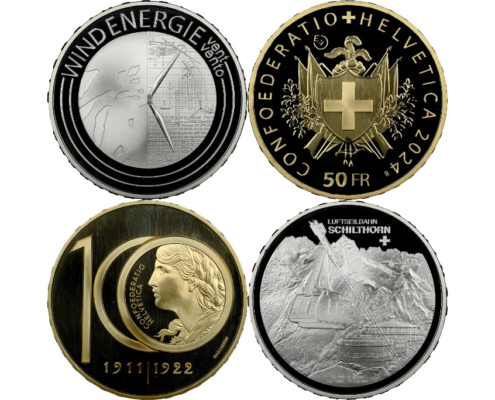
Lucie Loechel2024-12-05 06:00:382024-12-05 13:32:34Swissmint Patterns at Numismatica Genevensis SA
https://new.coinsweekly.com/wp-content/uploads/2024/12/2024KW49HA_00.jpg
684
860
Lucie Loechel
https://new.coinsweekly.com/wp-content/uploads/2023/01/logo-coinsweekly_590x204.png
Lucie Loechel2024-12-05 06:00:382024-12-05 13:32:34Swissmint Patterns at Numismatica Genevensis SA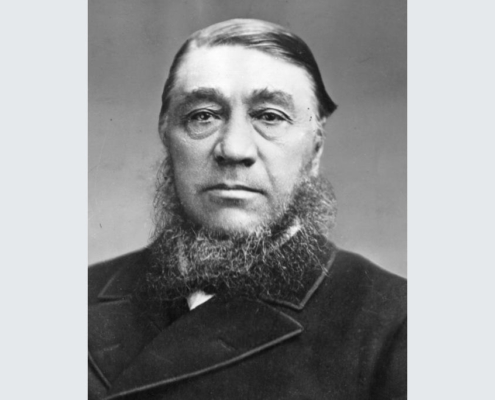 https://new.coinsweekly.com/wp-content/uploads/2025/04/2025KW16HA02_00.jpg
684
860
Lucie Loechel
https://new.coinsweekly.com/wp-content/uploads/2023/01/logo-coinsweekly_590x204.png
Lucie Loechel2025-04-17 08:30:092025-04-17 10:43:15Berlin and South Africa – A Time-Honoured Connection
https://new.coinsweekly.com/wp-content/uploads/2025/04/2025KW16HA02_00.jpg
684
860
Lucie Loechel
https://new.coinsweekly.com/wp-content/uploads/2023/01/logo-coinsweekly_590x204.png
Lucie Loechel2025-04-17 08:30:092025-04-17 10:43:15Berlin and South Africa – A Time-Honoured Connection
Royal Canadian Mint Unveils New Effigy of Charles III
The Royal Canadian Mint have unveiled the new effigy which will be seen on Canadian circulation, collector and bullion coinage. The new likeness was revealed on the 75th birthday of His Majesty. Michael Alexander takes a closer look.
Pobjoy’s 50 Pence Moon Coin
Pobjoy Mint has issued a 50 pence coin featuring the surface of the moon. The coin is available in two versions and comes with special permission granted by NASA.