







Archive: People and Markets
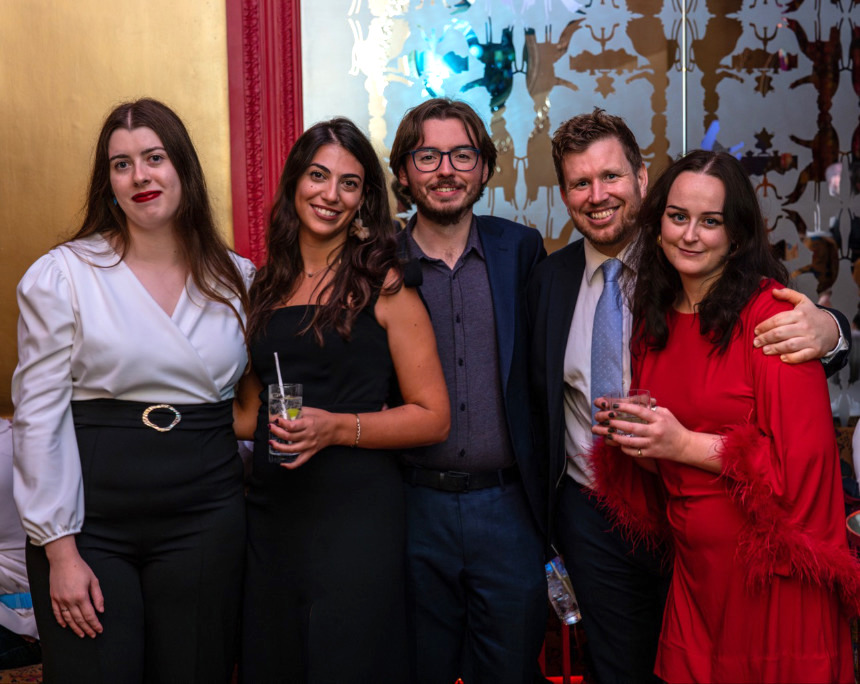
Swinging London: Coinex 2024
Despite Brexit and competing events, Coinex is definitely worth a trip – especially to meet the many young dealers who gather there. After all, London is swinging at Coinex, too! Ursula Kampmann reports.
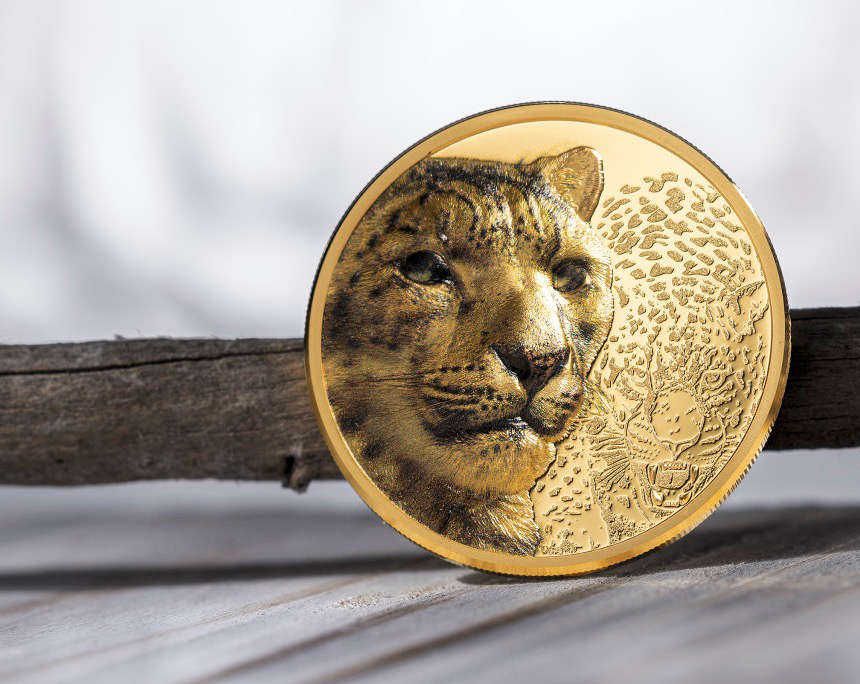
CIT’s Wild Mongolia – Snow Leopard
Wild Mongolia is the series with which CIT first introduced the new possibilities of smartminting® 2.0. By now, CIT has once again expanded the possibilities of smartminting® with the launch of smartminting® 4.0, and this is already the fifth issue of the Wild Mongolia series. It is dedicated to the snow leopard and features yet another innovation.
Archive: Coins, Medals and more
 https://new.coinsweekly.com/wp-content/uploads/2023/12/2023KW51HA_00.jpg
684
860
Ursula Kampmann
https://new.coinsweekly.com/wp-content/uploads/2023/01/logo-coinsweekly_590x204.png
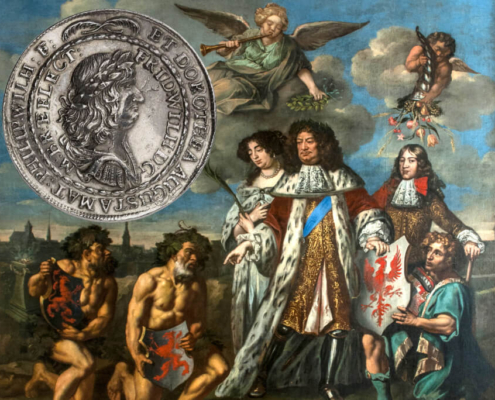
Ursula Kampmann2023-12-21 09:39:422023-12-21 09:51:29The Great Elector, Taxes and the Rise of Prussia
https://new.coinsweekly.com/wp-content/uploads/2023/12/2023KW51HA_00.jpg
684
860
Ursula Kampmann
https://new.coinsweekly.com/wp-content/uploads/2023/01/logo-coinsweekly_590x204.png
Ursula Kampmann2023-12-21 09:39:422023-12-21 09:51:29The Great Elector, Taxes and the Rise of Prussia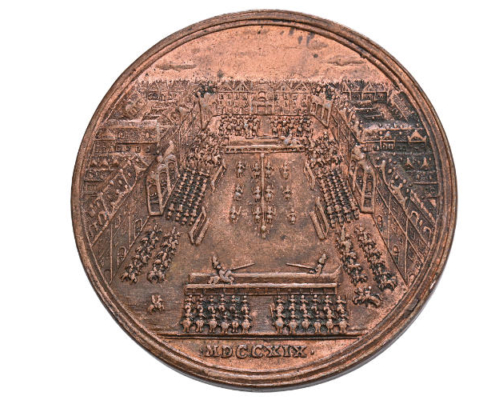 https://new.coinsweekly.com/wp-content/uploads/2023/06/2023KW23HA00.jpg
500
1000
Bruno
https://new.coinsweekly.com/wp-content/uploads/2023/01/logo-coinsweekly_590x204.png
Bruno2023-06-07 10:29:512023-06-27 11:22:29The Wedding of a Century in Saxony
https://new.coinsweekly.com/wp-content/uploads/2023/06/2023KW23HA00.jpg
500
1000
Bruno
https://new.coinsweekly.com/wp-content/uploads/2023/01/logo-coinsweekly_590x204.png
Bruno2023-06-07 10:29:512023-06-27 11:22:29The Wedding of a Century in Saxony
Two Powerful Women – a Premiere in Gold and Silver
The British Royal Mint and the United States Mint collaborated to create a joint issue combining the well-known coin motifs of Lady Liberty and Britannia. They went all the way and had the chief engravers of both mints group up for a one-of-a-kind partnership.
Coins for a New Audience from Singapore
In 2019, coin designer Karz launched his coin publishing company Spectres. He and his team aim to create coins for our modern world – coins that they would be happy to buy themselves. We introduce the young company and some of their products.