






Archive: People and Markets

Study on Investment Behaviour of Women: Gold – Low Risk but High Returns?
The Royal Mint reports a significant rise in female investors, as more women seem to be turning to the gold and silver markets to safeguard their investment portfolios from risks.
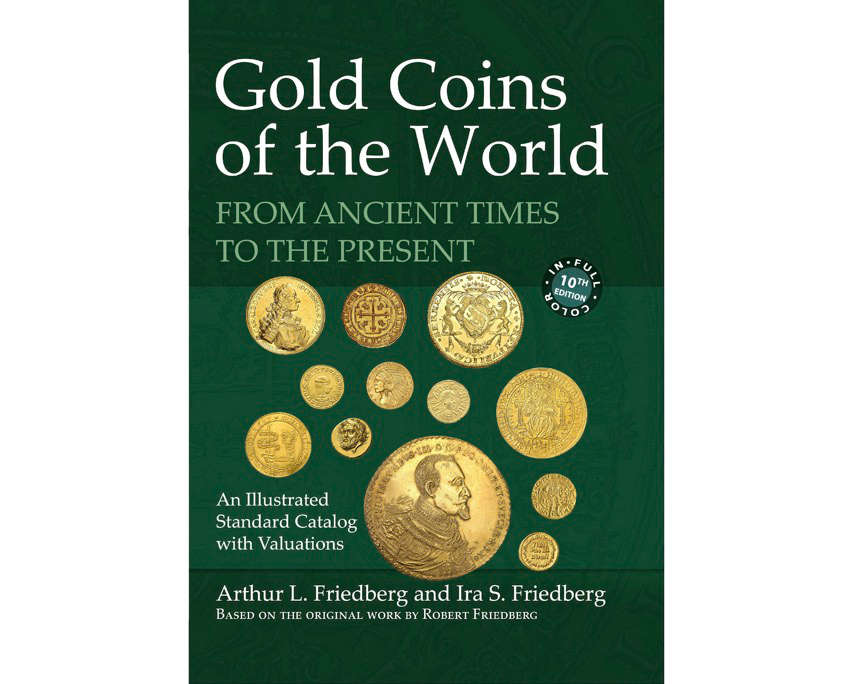
10th Edition of Friedberg’s Gold Coins of the World
You cannot do without this classic when it comes to identifying gold coins! Now, the 10th edition of Coins of the World has been published.
Archive: Coins, Medals and more
 https://new.coinsweekly.com/wp-content/uploads/2025/05/2025KW20HA01_00.jpg
684
860
Lucie Loechel
https://new.coinsweekly.com/wp-content/uploads/2023/01/logo-coinsweekly_590x204.png
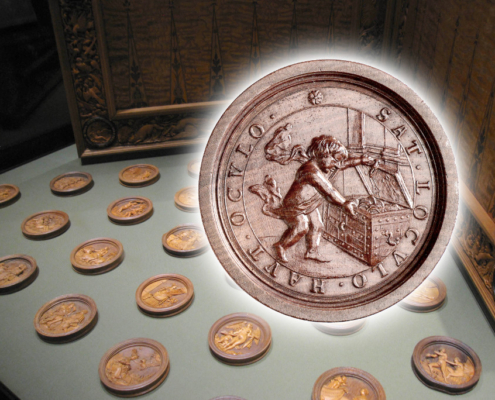
Lucie Loechel2025-05-15 11:34:482025-05-15 11:34:48What Do Gaming Counters Have to Do with Numismatics?
https://new.coinsweekly.com/wp-content/uploads/2025/05/2025KW20HA01_00.jpg
684
860
Lucie Loechel
https://new.coinsweekly.com/wp-content/uploads/2023/01/logo-coinsweekly_590x204.png
Lucie Loechel2025-05-15 11:34:482025-05-15 11:34:48What Do Gaming Counters Have to Do with Numismatics?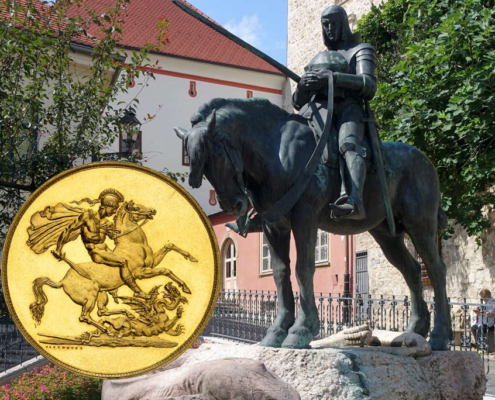 https://new.coinsweekly.com/wp-content/uploads/2024/01/2023KW03HA_00.jpg
684
860
Ursula Kampmann
https://new.coinsweekly.com/wp-content/uploads/2023/01/logo-coinsweekly_590x204.png
Ursula Kampmann2024-01-18 08:00:542024-01-18 10:35:27Why Are There So Many Coins Depicting Saint George?
https://new.coinsweekly.com/wp-content/uploads/2024/01/2023KW03HA_00.jpg
684
860
Ursula Kampmann
https://new.coinsweekly.com/wp-content/uploads/2023/01/logo-coinsweekly_590x204.png
Ursula Kampmann2024-01-18 08:00:542024-01-18 10:35:27Why Are There So Many Coins Depicting Saint George?
How the Romans Made Counterfeits
Counterfeits have been around in ancient Roman times, too – usually, they were cast from a copper-tin alloy. Researchers at the University of Tübingen examined the counterfeiting process and reconstructed it experimentally. A video documents their experiment.
Goetz-Ulf Jungmichel Elected as Associate Member of the Board of the Berufsverband des Deutschen Münzenfachhandels e.V
The Berufsverband des Deutschen Münzfachhandels e.V. recently held its board elections and made important personnel decisions.