











Archive: People and Markets
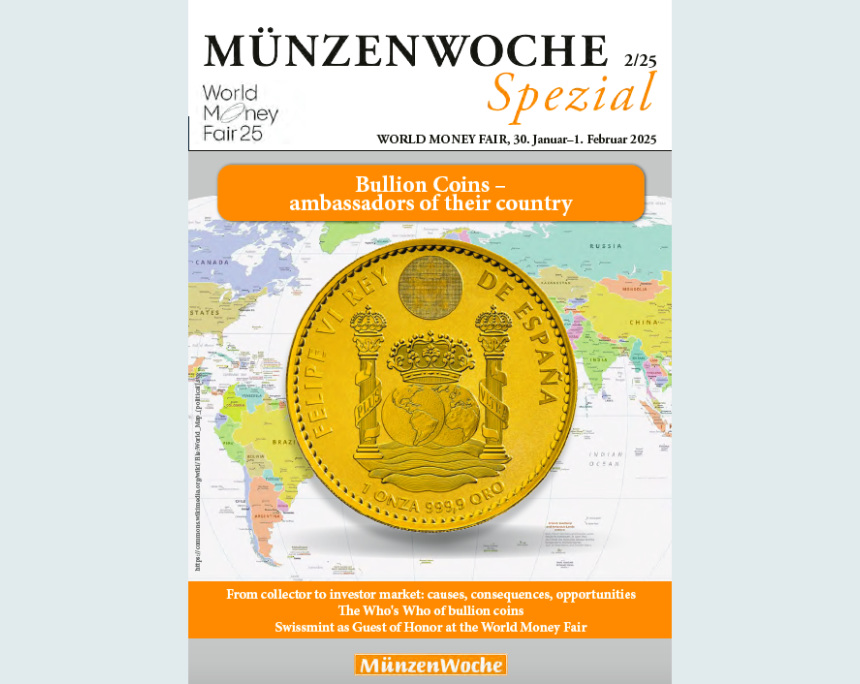
Now available: Our CoinsWeekly Special Issue for the World Money Fair 2025
We usually publish our printed CoinsWeekly Special for the World Money Fair in German, as it is tailored to all the German visitors. This year, however, we decided to also offer an English version of the issue as a download for our international readers. We hope you enjoy reading it!

ANA eLearning Academy Now Without Access Restrictions
It is no longer necessary to be an ANA member or to log in to access the content of the American Numismatic Association’s eLearning Academy. A wealth of numismatic education opportunities is available there and easy to access.
Archive: Coins, Medals and more
 https://new.coinsweekly.com/wp-content/uploads/2025/01/2025KW04HA01_00.jpg
684
860
Lucie Loechel
https://new.coinsweekly.com/wp-content/uploads/2023/01/logo-coinsweekly_590x204.png
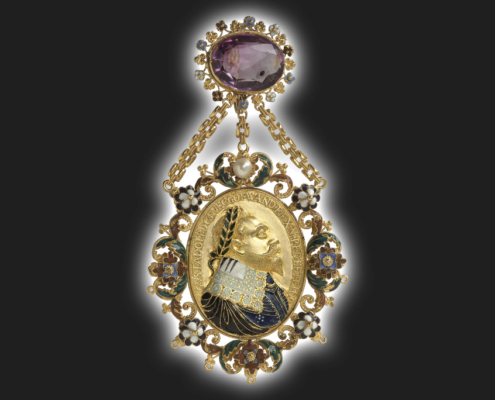
Lucie Loechel2025-01-23 10:04:312025-01-23 14:24:11The Gnadenpfennig – An Object Between Decoration, Medal, and Coin
https://new.coinsweekly.com/wp-content/uploads/2025/01/2025KW04HA01_00.jpg
684
860
Lucie Loechel
https://new.coinsweekly.com/wp-content/uploads/2023/01/logo-coinsweekly_590x204.png
Lucie Loechel2025-01-23 10:04:312025-01-23 14:24:11The Gnadenpfennig – An Object Between Decoration, Medal, and Coin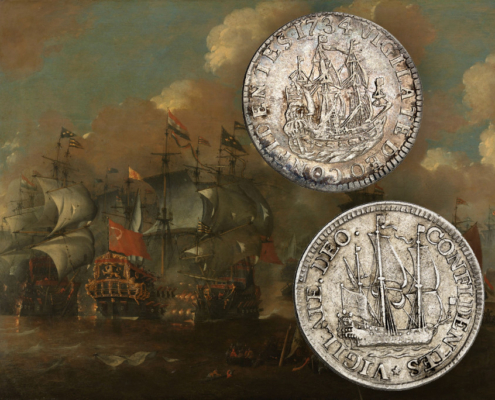 https://new.coinsweekly.com/wp-content/uploads/2024/09/2024KW38HA_00.jpg
684
860
Ursula Kampmann
https://new.coinsweekly.com/wp-content/uploads/2023/01/logo-coinsweekly_590x204.png
Ursula Kampmann2024-09-19 10:16:302024-09-19 11:07:49Bloody Flag and Scheepjesschelling
https://new.coinsweekly.com/wp-content/uploads/2024/09/2024KW38HA_00.jpg
684
860
Ursula Kampmann
https://new.coinsweekly.com/wp-content/uploads/2023/01/logo-coinsweekly_590x204.png
Ursula Kampmann2024-09-19 10:16:302024-09-19 11:07:49Bloody Flag and Scheepjesschelling
Voting for the Best Latvian Collector Coin of 2024 is Open
From 24 March to 6 April 2025, Latvijas Banka, in cooperation with the news portal Delfi, organises the traditional public vote “Latvia’s Coin of the Year 2024”. This vote will, for the 21st time, determine the public’s favourite collector coin issued during the previous year.
Certified Collectibles Group to Acquire James Spence Authentication
Certified Collectibles Group acquires the leading autograph authentication firm James Spence Authentication.