











Archive: People and Markets
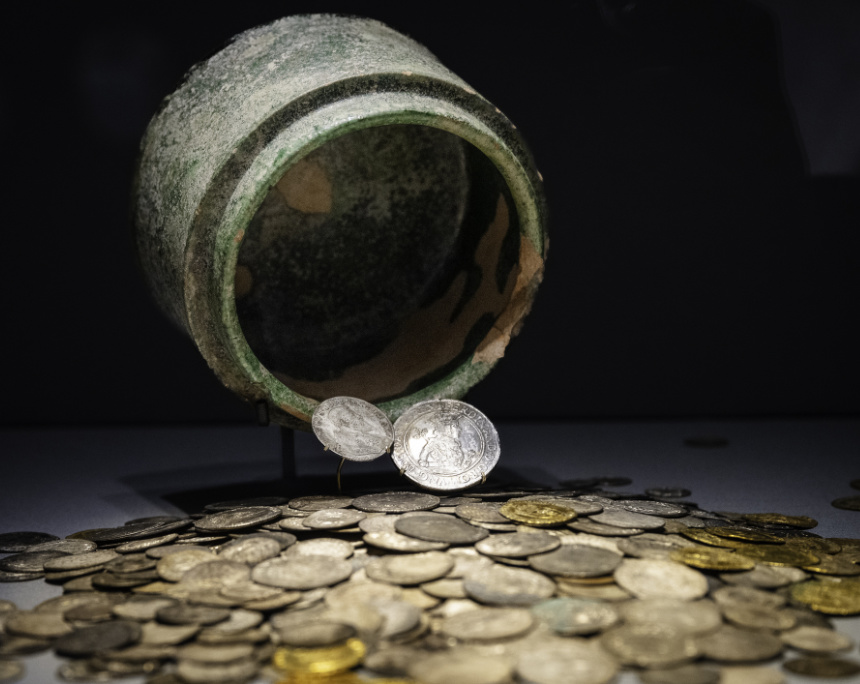
The Coin Hoard of Merishausen
From 15 March to 19 October 2025, the Museum zu Allerheiligen in Schaffhausen, Switzerland, is mounting a special exhibition on the coin hoard of Merishausen, presenting the results of research on this interesting ensemble to the public.
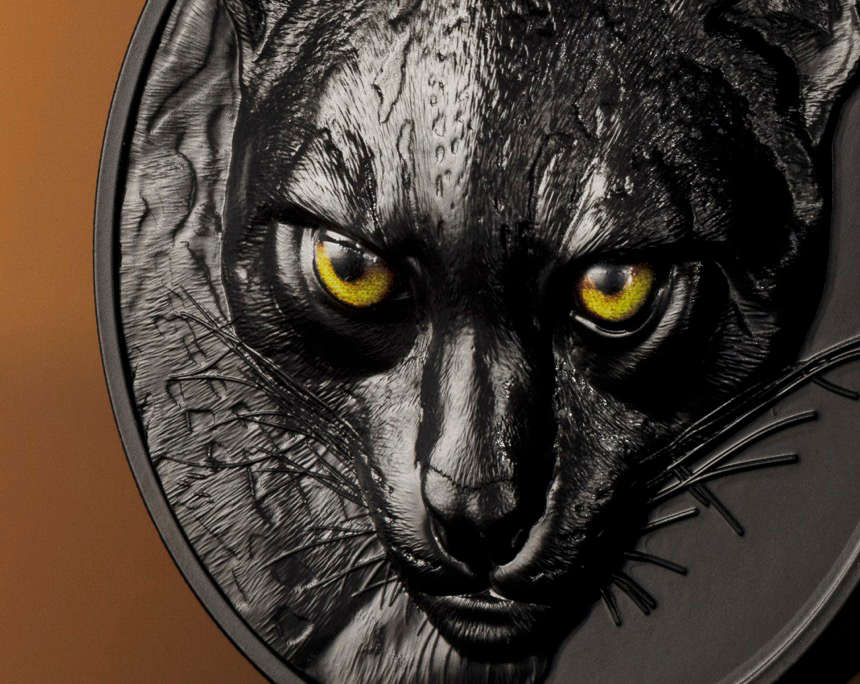
New CIT Issue: Hunters by Night – Ocelot
Since 2020, CIT has been releasing its award-winning and successful Hunters by Night series. The fifth issue is now dedicated to the ocelot, with the nocturnal hunter’s eyes standing out almost hypnotically against the Black Obsidian surface.
Archive: Coins, Medals and more
 https://new.coinsweekly.com/wp-content/uploads/2024/09/2024KW38HA_00.jpg
684
860
Ursula Kampmann
https://new.coinsweekly.com/wp-content/uploads/2023/01/logo-coinsweekly_590x204.png
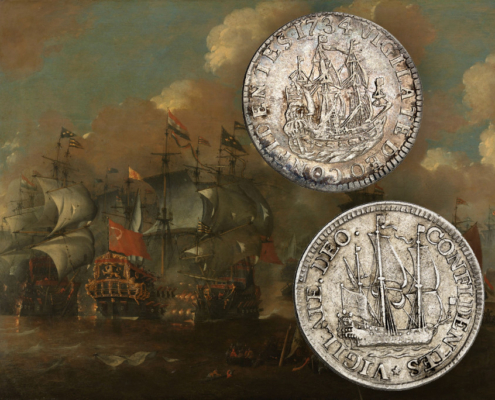
Ursula Kampmann2024-09-19 10:16:302024-09-19 11:07:49Bloody Flag and Scheepjesschelling
https://new.coinsweekly.com/wp-content/uploads/2024/09/2024KW38HA_00.jpg
684
860
Ursula Kampmann
https://new.coinsweekly.com/wp-content/uploads/2023/01/logo-coinsweekly_590x204.png
Ursula Kampmann2024-09-19 10:16:302024-09-19 11:07:49Bloody Flag and Scheepjesschelling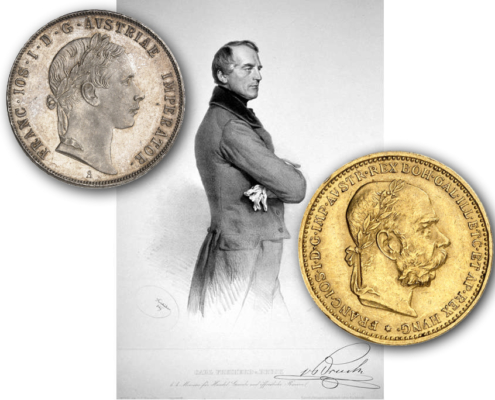 https://new.coinsweekly.com/wp-content/uploads/2024/03/2024KW12bHA_00.jpg
684
860
Ursula Kampmann
https://new.coinsweekly.com/wp-content/uploads/2023/01/logo-coinsweekly_590x204.png
Ursula Kampmann2024-03-21 08:00:102024-03-21 08:09:54A War Fought with Unusual Weapons: How Prussia Used Finance and Politics to Force the Habsburg Hereditary Lands Out of the German Confederation
https://new.coinsweekly.com/wp-content/uploads/2024/03/2024KW12bHA_00.jpg
684
860
Ursula Kampmann
https://new.coinsweekly.com/wp-content/uploads/2023/01/logo-coinsweekly_590x204.png
Ursula Kampmann2024-03-21 08:00:102024-03-21 08:09:54A War Fought with Unusual Weapons: How Prussia Used Finance and Politics to Force the Habsburg Hereditary Lands Out of the German Confederation
CIT’s Lily Pad – Dragonfly
A dragonfly on a lily pad: CIT and B. H. Mayer use state-of-the-art minting technology to capture nature’s beauty in an awe-inspiring way.
Customs Repatriation to Greece Raises Questions
U.S. Customs recently confiscated fifty-one ancient coins and repatriated them to the Greek Government. But was this act really covered by the MOU with Greece? Peter Tompa gives coin collectors some advises.