







Archive: People and Markets
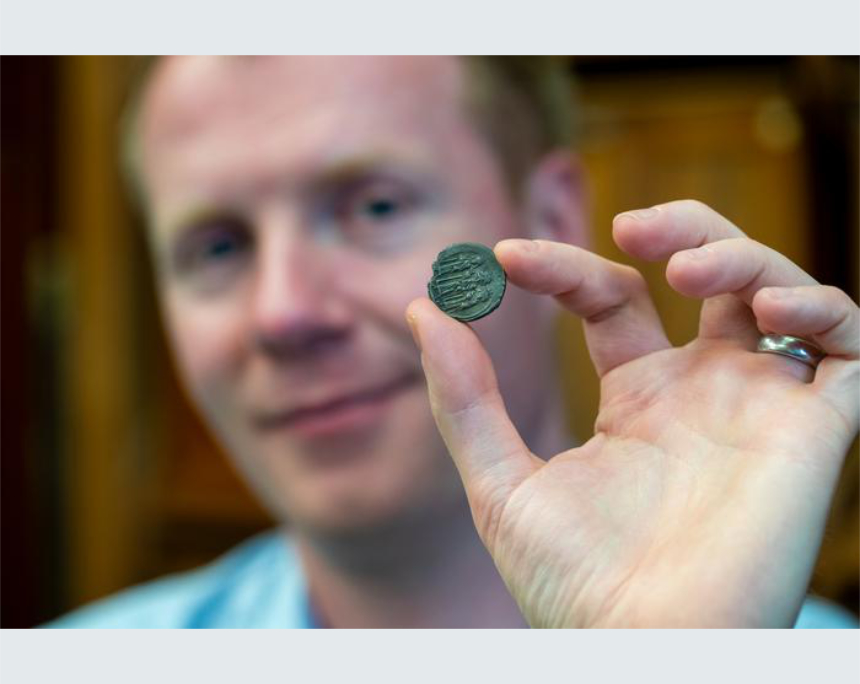
Where Did Silver Come from in Early Medieval Europe?
In the mid-7th century, a veritable silver coin boom set off in the North Sea Region. So far, the question of where the silver for the coins came from was up for speculation. A new study provides concrete results.

Two-Euro Ticker: New 2-Euro Coins in February 2025
Italy celebrates the Holy Year, and Luxembourg marks the change of throne with a numismatic first: for the first time, official colour applications will appear on Luxembourg’s 2-euro coins.
Archive: Coins, Medals and more
 https://new.coinsweekly.com/wp-content/uploads/2023/09/2023KW38HA_00.jpg
684
860
Ursula Kampmann
https://new.coinsweekly.com/wp-content/uploads/2023/01/logo-coinsweekly_590x204.png
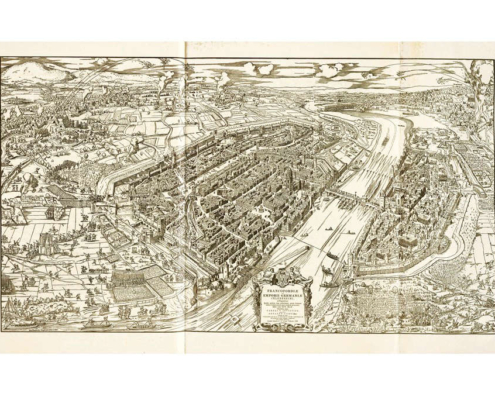
Ursula Kampmann2023-09-21 08:00:202023-09-21 14:13:23Two Cityscapes on Coins From Frankfurt am Main and The Artwork That Inspired Them
https://new.coinsweekly.com/wp-content/uploads/2023/09/2023KW38HA_00.jpg
684
860
Ursula Kampmann
https://new.coinsweekly.com/wp-content/uploads/2023/01/logo-coinsweekly_590x204.png
Ursula Kampmann2023-09-21 08:00:202023-09-21 14:13:23Two Cityscapes on Coins From Frankfurt am Main and The Artwork That Inspired Them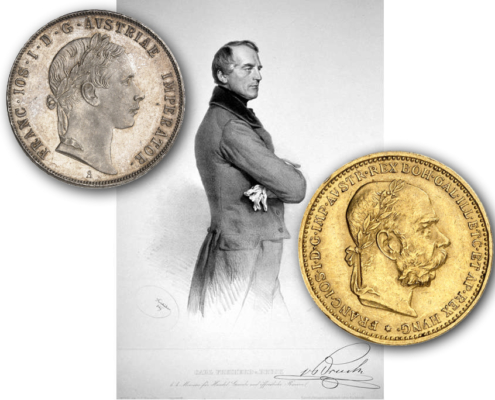 https://new.coinsweekly.com/wp-content/uploads/2024/03/2024KW12bHA_00.jpg
684
860
Ursula Kampmann
https://new.coinsweekly.com/wp-content/uploads/2023/01/logo-coinsweekly_590x204.png
Ursula Kampmann2024-03-21 08:00:102024-03-21 08:09:54A War Fought with Unusual Weapons: How Prussia Used Finance and Politics to Force the Habsburg Hereditary Lands Out of the German Confederation
https://new.coinsweekly.com/wp-content/uploads/2024/03/2024KW12bHA_00.jpg
684
860
Ursula Kampmann
https://new.coinsweekly.com/wp-content/uploads/2023/01/logo-coinsweekly_590x204.png
Ursula Kampmann2024-03-21 08:00:102024-03-21 08:09:54A War Fought with Unusual Weapons: How Prussia Used Finance and Politics to Force the Habsburg Hereditary Lands Out of the German Confederation
Numista Now Has a New Literature Section
Numista has recently expanded its offerings with a dedicated section for numismatic literature, providing a valuable resource for researchers and enthusiasts alike. A particularly innovative feature of this section is its integration with Numista’s existing coin catalogue, which allows users to seamlessly navigate from a reference number of a coin to the corresponding literary reference, and from that catalogue back to the numismatic objects listed within.
100-Euro Gold Coins: Loyal Customers of Münze Deutschland Make a Bargain
Buying gold below the market price? Under normal circumstances, that’s not possible – the only exception is placing an order with the German Mint before the gold price skyrockets. As in previous years, customers of the official sales office can look forward to a substantial return.