








Archive: People and Markets

Jere L. Bacharach (1938-2023)
Jere L. Bacharach, expert on Islamic numismatics, died in April 2023. The ANS remembers its long-time member of the Board of Trustees, and an invaluable scholar of the numismatic community and Middle Eastern studies.

€150,000 each: The World’s Most Expensive Euro Coins – They Really Exist!
A six-figure sum for a single euro commemorative coin? Stories like this repeatedly grab headlines – most recently with rumours of a commemorative issue honouring Cristiano Ronaldo. But which price records for euro coins are actually realistic?
Archive: Coins, Medals and more
 https://new.coinsweekly.com/wp-content/uploads/2023/12/2023KW50HA_00B.jpg
684
860
Ursula Kampmann
https://new.coinsweekly.com/wp-content/uploads/2023/01/logo-coinsweekly_590x204.png
Ursula Kampmann2023-12-14 10:41:562023-12-14 10:41:56The Borki Train Disaster
https://new.coinsweekly.com/wp-content/uploads/2023/12/2023KW50HA_00B.jpg
684
860
Ursula Kampmann
https://new.coinsweekly.com/wp-content/uploads/2023/01/logo-coinsweekly_590x204.png
Ursula Kampmann2023-12-14 10:41:562023-12-14 10:41:56The Borki Train Disaster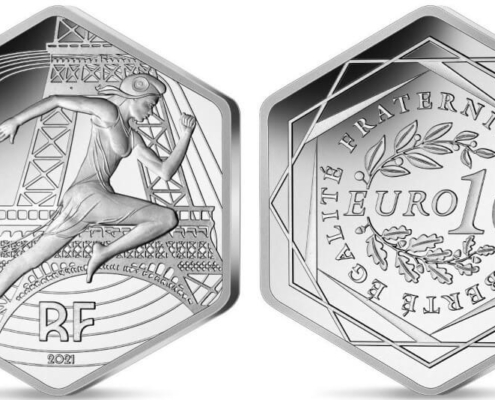 https://new.coinsweekly.com/wp-content/uploads/2023/06/CoCo05_15.jpg
534
1000
Ursula Kampmann
https://new.coinsweekly.com/wp-content/uploads/2023/01/logo-coinsweekly_590x204.png
Ursula Kampmann2022-06-13 09:54:432023-06-27 10:33:10The French Marianne I: Marianne as a Representative of the French People – Part 2
https://new.coinsweekly.com/wp-content/uploads/2023/06/CoCo05_15.jpg
534
1000
Ursula Kampmann
https://new.coinsweekly.com/wp-content/uploads/2023/01/logo-coinsweekly_590x204.png
Ursula Kampmann2022-06-13 09:54:432023-06-27 10:33:10The French Marianne I: Marianne as a Representative of the French People – Part 2
Our Who’s Who Is Here!
Our entire Who’s Who for numismatists and collectors is now available on our new website. This is another important step on our path towards transitioning from our old to the new site. And there is more!
2-Euro Ticker: New 2-Euro Coins in August 2024
The 2-euro world is in a summer slump: only two new coins will be released in August, but there is good news for price-conscious collectors – interesting details were released about the issues of the coming months.