








Archive: People and Markets
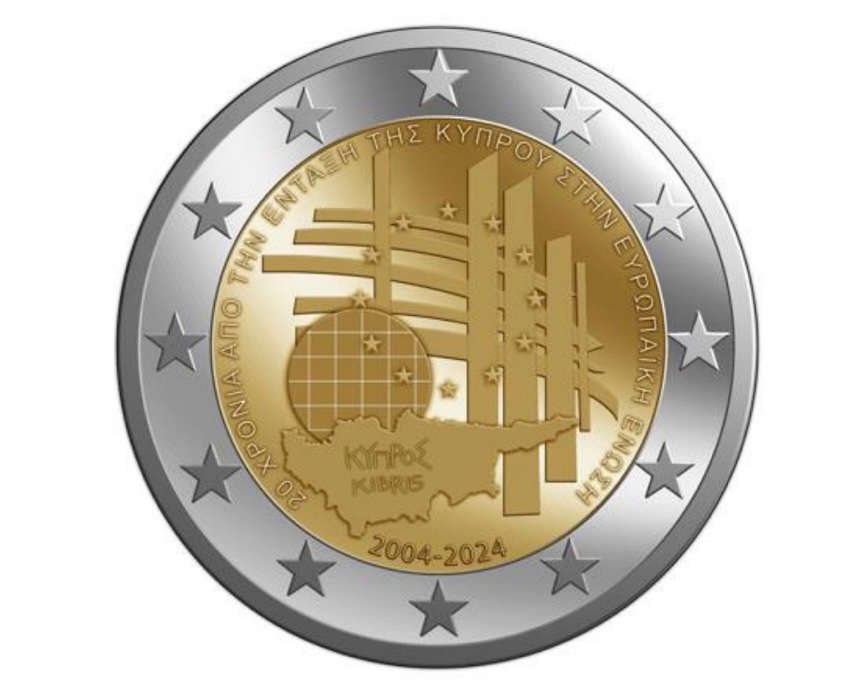
Data Breach During Sale of 2-Euro Coin in Cyprus: How to Avoid Server Crashes
Cyprus wanted to celebrate the 20th anniversary of its EU membership with a 2-euro coin – but the party turned into a fiasco. Even before the start of sales, the server crashed; at times, customers could see the data of other buyers, and to this day, it is unclear whether the central bank will make another attempt to sell the coins.

How the Certified Collectibles Group Takes Action Against Fraudsters
The Certified Collectibles Group (CCG) aggressively pursues bad actors who seek to defraud them and the collecting community. CEO Steven R. Eichenbaum reports on the fight and provides examples.
Archive: Coins, Medals and more
 https://new.coinsweekly.com/wp-content/uploads/2023/06/00_Value_of_coins.jpg
750
1000
Bruno
https://new.coinsweekly.com/wp-content/uploads/2023/01/logo-coinsweekly_590x204.png
Bruno2022-06-13 10:56:082023-06-27 11:29:37Planchet Error, Overstrike, Double-Strike, Etc.: Which Errors Affect the Price of a Coin? – Part 1
https://new.coinsweekly.com/wp-content/uploads/2023/06/00_Value_of_coins.jpg
750
1000
Bruno
https://new.coinsweekly.com/wp-content/uploads/2023/01/logo-coinsweekly_590x204.png
Bruno2022-06-13 10:56:082023-06-27 11:29:37Planchet Error, Overstrike, Double-Strike, Etc.: Which Errors Affect the Price of a Coin? – Part 1 https://new.coinsweekly.com/wp-content/uploads/2025/03/0.jpg
684
860
Sebastian Wieschowski
https://new.coinsweekly.com/wp-content/uploads/2023/01/logo-coinsweekly_590x204.png
Sebastian Wieschowski2025-03-06 06:00:312025-03-06 14:32:55Women on Commemorative Coins: A Long Road to True Equality
https://new.coinsweekly.com/wp-content/uploads/2025/03/0.jpg
684
860
Sebastian Wieschowski
https://new.coinsweekly.com/wp-content/uploads/2023/01/logo-coinsweekly_590x204.png
Sebastian Wieschowski2025-03-06 06:00:312025-03-06 14:32:55Women on Commemorative Coins: A Long Road to True Equality
Spring Sberatel Fair 2024
The spring edition of the Sberatel collector fair will take place on March 22 and 23 – the perfect opportunity to combine your hobby with a trip to beautiful Prague!
Hadrian, the Traveling Emperor– Our CoinsWeekly NYINC Special Issue
Few emperors seem as likeable as Hadrian, an emperor from the provinces for the provinces, who was very different from all his predecessors. Learn more about Hadrian and his coinage in our new CoinsWeekly Special Issue for NYINC 2025. Now available as a free download!