






Archive: People and Markets
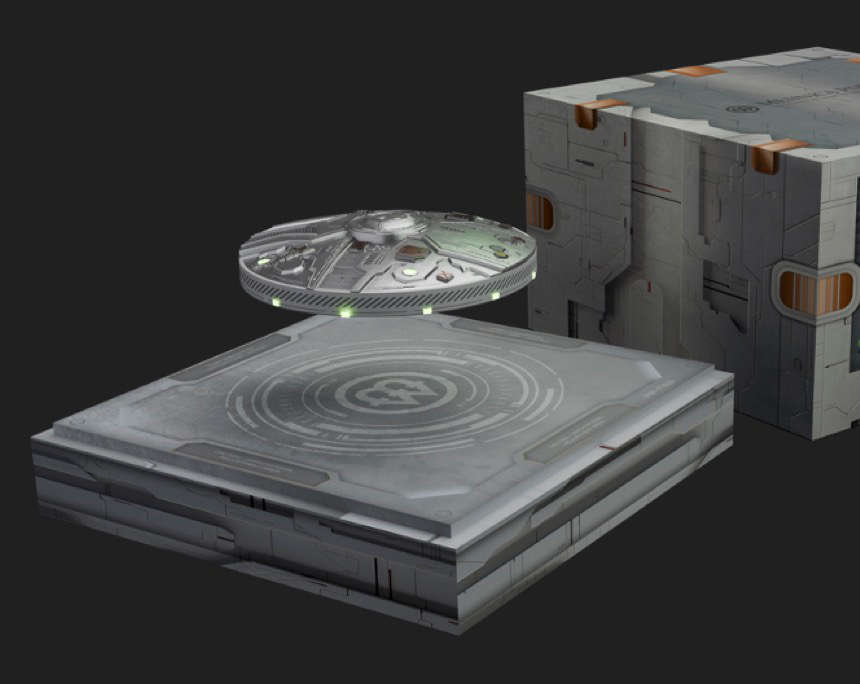
Space Premiere – Mint of Poland Created the World’s First Flying Coin
The Mint of Poland presented the UFO MP-1766 at the World Money Fair 2024, which is said to be the first flying coin in the World. The coin is lifted by an internal motor and, upon interaction with a specially designed base, it levitates due to the magnetic field generated between them.
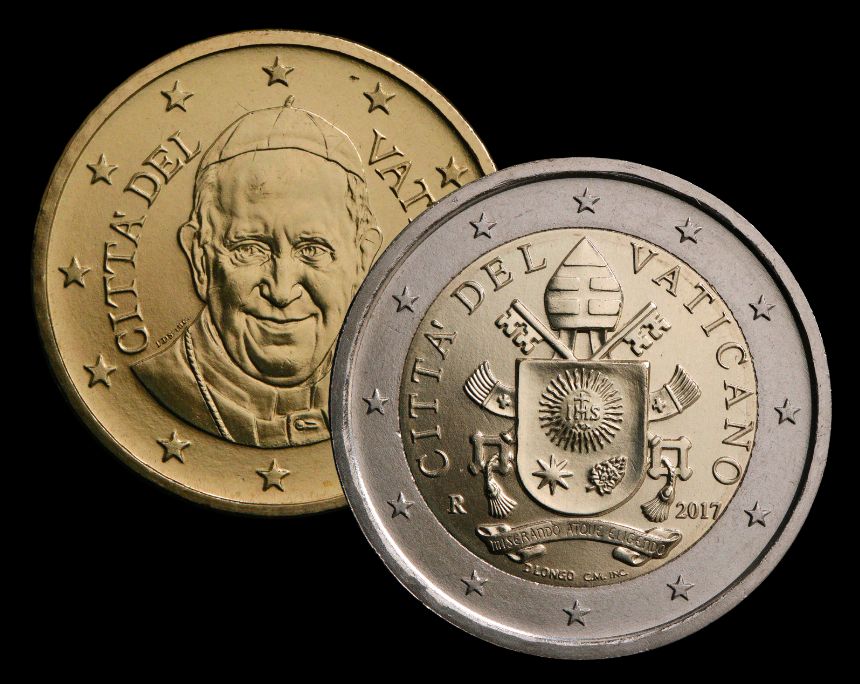
Questions and Answers for Coin Collectors Regarding the Death of Pope Francis
Following five different coin series since 2002, the Vatican is set to issue new euro coins this year. When the change to a new pope on the coins will take place, and how the Sede Vacante will be commemorated numismatically, remains unclear – as does the timing for the return of the Vatican’s coin issuing office for collectors.
Archive: Coins, Medals and more
 https://new.coinsweekly.com/wp-content/uploads/2025/03/2025KW11HA01_00.jpg
684
860
Lucie Loechel
https://new.coinsweekly.com/wp-content/uploads/2023/01/logo-coinsweekly_590x204.png
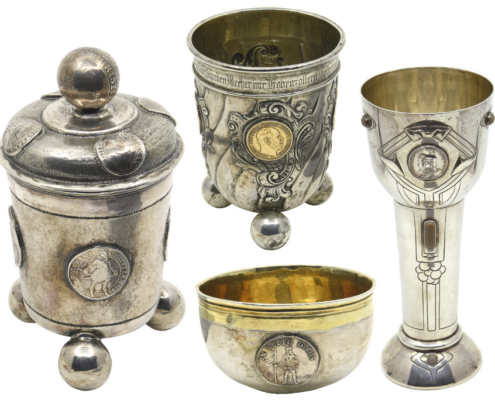
Lucie Loechel2025-03-13 10:11:402025-03-13 10:11:40Coin-Embedded Tableware as Part of European Dining Culture
https://new.coinsweekly.com/wp-content/uploads/2025/03/2025KW11HA01_00.jpg
684
860
Lucie Loechel
https://new.coinsweekly.com/wp-content/uploads/2023/01/logo-coinsweekly_590x204.png
Lucie Loechel2025-03-13 10:11:402025-03-13 10:11:40Coin-Embedded Tableware as Part of European Dining Culture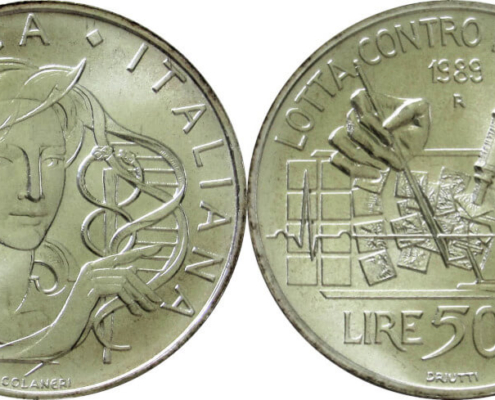 https://new.coinsweekly.com/wp-content/uploads/2023/06/00-6.jpg
489
1001
Bruno
https://new.coinsweekly.com/wp-content/uploads/2023/01/logo-coinsweekly_590x204.png
Bruno2022-06-13 12:59:122023-07-03 13:07:57Numismatic Issues Concerning Health, Medicine and Women in Times of Covid, Part 3: Personifications of Health and Medicine
https://new.coinsweekly.com/wp-content/uploads/2023/06/00-6.jpg
489
1001
Bruno
https://new.coinsweekly.com/wp-content/uploads/2023/01/logo-coinsweekly_590x204.png
Bruno2022-06-13 12:59:122023-07-03 13:07:57Numismatic Issues Concerning Health, Medicine and Women in Times of Covid, Part 3: Personifications of Health and Medicine
CIT’s Daydreamer – Adventure
CIT’s “Daydreamer” coins pull aside the curtain between worlds. In 2022, a man looked to the future, in the second issue a little boy looks to the past. The love of escaping the world in a daydream with state-of-the-art smartminting® technology.
INORCOAT: How to Make Minting More Sustainable
Are you annoyed by all the laws that make our lives more difficult but have no positive effect? Here’s an example of a law that actually makes sense: the planned ban on chromium (VI) electroplating is helping an innovative technology to make a breakthrough – and this development brings decisive advantages for the minting industry. Romain Waidelich of INORCOAT takes us behind the scenes.