






Archive: People and Markets
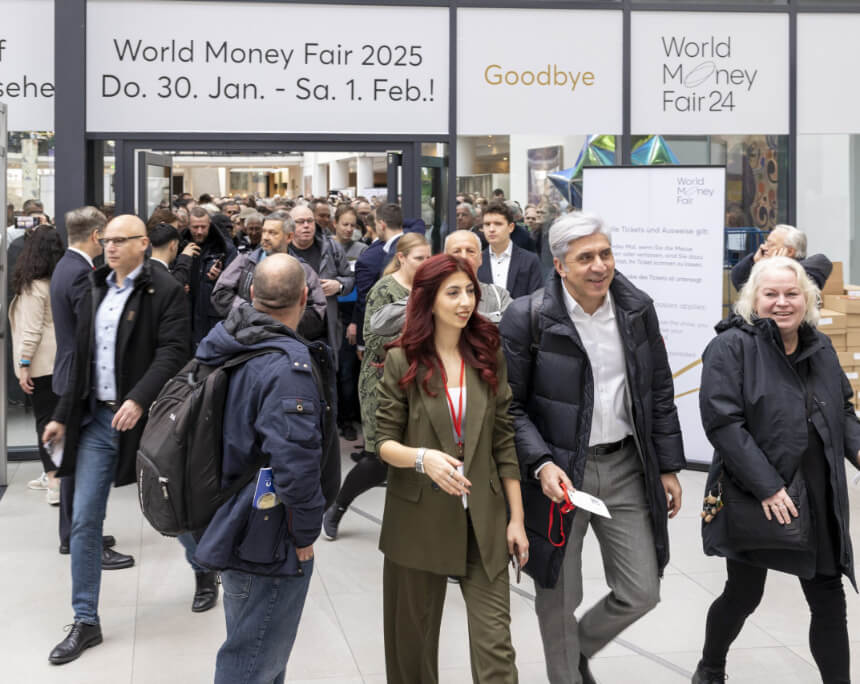
World Money Fair 2024: Thousands of Numismatics Enthusiasts at the World’s Largest Coin Fair
Once a year, the vast and diverse coin world comes together for a kind of oversized family reunion: the World Money Fair. Due to the new organization, many things were different, but others felt comfortably familiar. We were also present in Berlin again, this time even with our own booth.
ANA Money Museum Offers Free Classes for Children
The ANA offers opportunities for kids to learn about money through free activities at the Money Museum in Colorado Springs.
Archive: Coins, Medals and more
 https://new.coinsweekly.com/wp-content/uploads/2023/06/00-7.jpg
496
500
Bruno
https://new.coinsweekly.com/wp-content/uploads/2023/01/logo-coinsweekly_590x204.png
Bruno2022-06-13 12:00:272023-07-03 14:53:25State-of-the-Art Minting Technology
https://new.coinsweekly.com/wp-content/uploads/2023/06/00-7.jpg
496
500
Bruno
https://new.coinsweekly.com/wp-content/uploads/2023/01/logo-coinsweekly_590x204.png
Bruno2022-06-13 12:00:272023-07-03 14:53:25State-of-the-Art Minting Technology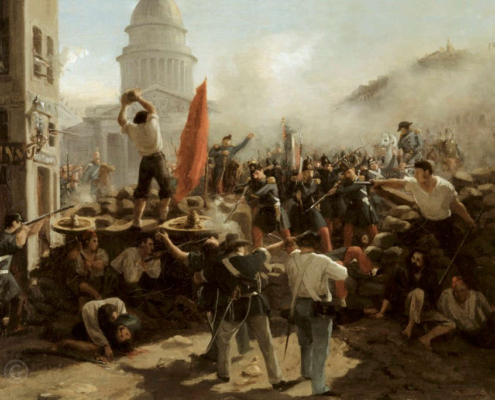 https://new.coinsweekly.com/wp-content/uploads/2023/08/2023KW34HA_00.jpg
684
860
Bruno
https://new.coinsweekly.com/wp-content/uploads/2023/01/logo-coinsweekly_590x204.png
Bruno2023-08-23 10:16:152023-08-23 10:16:15French History in Coins – Part 2: From the Second Republic to the Second Empire
https://new.coinsweekly.com/wp-content/uploads/2023/08/2023KW34HA_00.jpg
684
860
Bruno
https://new.coinsweekly.com/wp-content/uploads/2023/01/logo-coinsweekly_590x204.png
Bruno2023-08-23 10:16:152023-08-23 10:16:15French History in Coins – Part 2: From the Second Republic to the Second Empire
A New Member to Join the SINCONA Team: Michael Otto
The SINCONA team is excited to welcome a new member. As of 1 January 2025, Michael Otto is working at the SINCONA Group’s headquarters in Zurich. He is looking forward to taking over the position as Head of Numismatics.
After 100 Years: The Bruun Collection Comes Under the Hammer
The Bruun Collection has been held by Denmark’s National Museum in Copenhagen for 100 years. Now Stack’s Bowers Galleries has been commissioned with the sale of the collection, which Stacks refers to as “the most valuable collection of World Coins to ever come to market”.