











Archive: People and Markets
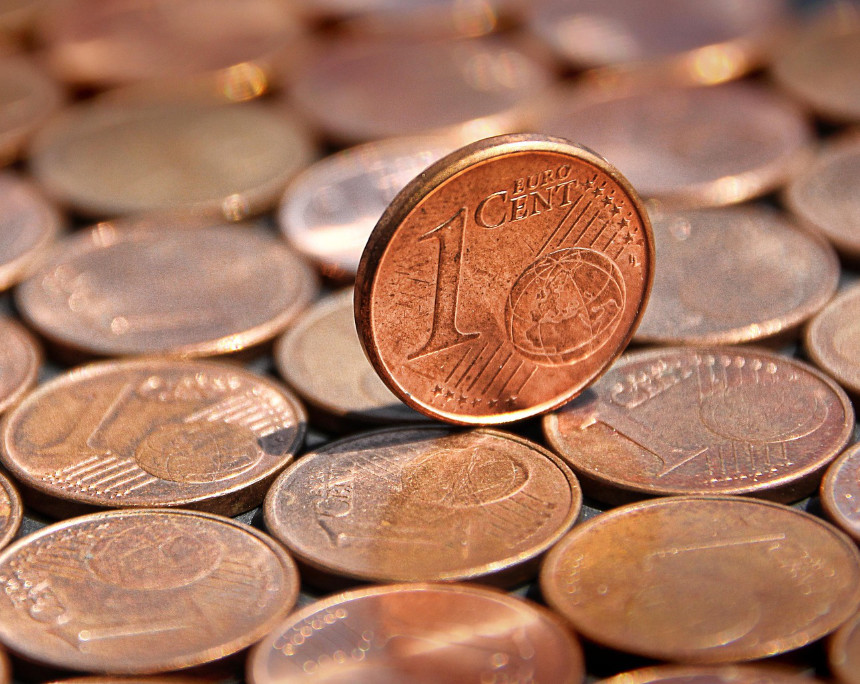
Will Germany Abolish the 1 and 2 Cent Coins?
We Germans still like to pay with cash, but like in many other countries, the 1 and 2 cent coins are unpopular. The important National Cash Forum has now spoken out in favor of their de facto abolition. Read here how cash transactions would change in practice.
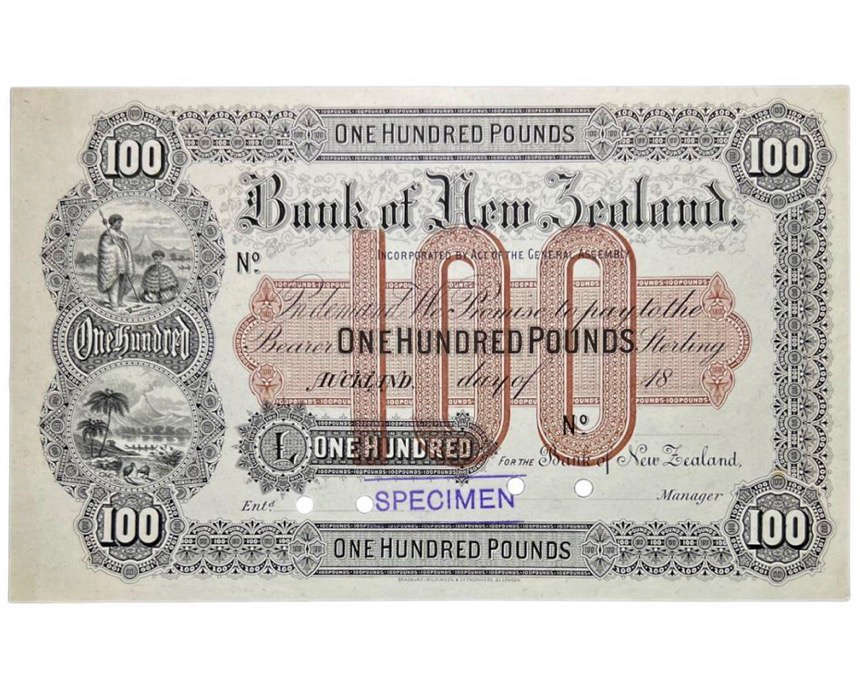
A Short Numismatic History of New Zealand
Heritage offers a banknote that is considered a highlight of the monetary history of New Zealand. Reason enough for coin dealer Joshua Lee to present some of New Zealand’s most spectacular coins and banknotes.
Archive: Coins, Medals and more
 https://new.coinsweekly.com/wp-content/uploads/2025/06/00IMG_0657.jpg
684
860
Ursula Kampmann
https://new.coinsweekly.com/wp-content/uploads/2023/01/logo-coinsweekly_590x204.png
Ursula Kampmann2025-06-12 09:24:042025-06-12 09:38:54In Search of the Big Five
https://new.coinsweekly.com/wp-content/uploads/2025/06/00IMG_0657.jpg
684
860
Ursula Kampmann
https://new.coinsweekly.com/wp-content/uploads/2023/01/logo-coinsweekly_590x204.png
Ursula Kampmann2025-06-12 09:24:042025-06-12 09:38:54In Search of the Big Five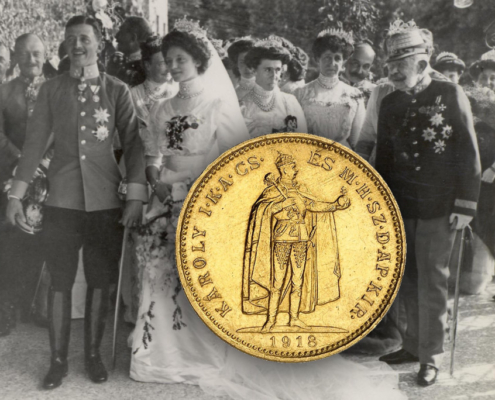 https://new.coinsweekly.com/wp-content/uploads/2024/05/2024KW20HA_00.jpg
684
860
Ursula Kampmann
https://new.coinsweekly.com/wp-content/uploads/2023/01/logo-coinsweekly_590x204.png
Ursula Kampmann2024-05-16 10:22:052024-05-16 10:35:23Charles I of Austria-Hungary: A Hapless Emperor Who Was Beatified
https://new.coinsweekly.com/wp-content/uploads/2024/05/2024KW20HA_00.jpg
684
860
Ursula Kampmann
https://new.coinsweekly.com/wp-content/uploads/2023/01/logo-coinsweekly_590x204.png
Ursula Kampmann2024-05-16 10:22:052024-05-16 10:35:23Charles I of Austria-Hungary: A Hapless Emperor Who Was Beatified
Training Exercise for Cultural Heritage Response Unit
The German Archaeological Institute (DAI), in cooperation with the German Federal Agency for Technical Relief (THW), is building an emergency response unit to provide rapid assistance in the event of disasters around the world. In a fictious earthquake scenario, experts were recently trained in how to protect and preserve cultural heritage.
New Exhibition at the British Museum Presents Recovered Gems
A new exhibition at the British Museum showcases some of the finest ancient gems in the museum’s collection. They include some of the pieces that were recently stolen and could be recovered thanks to the cooperation of coin dealers.