






Archive: People and Markets
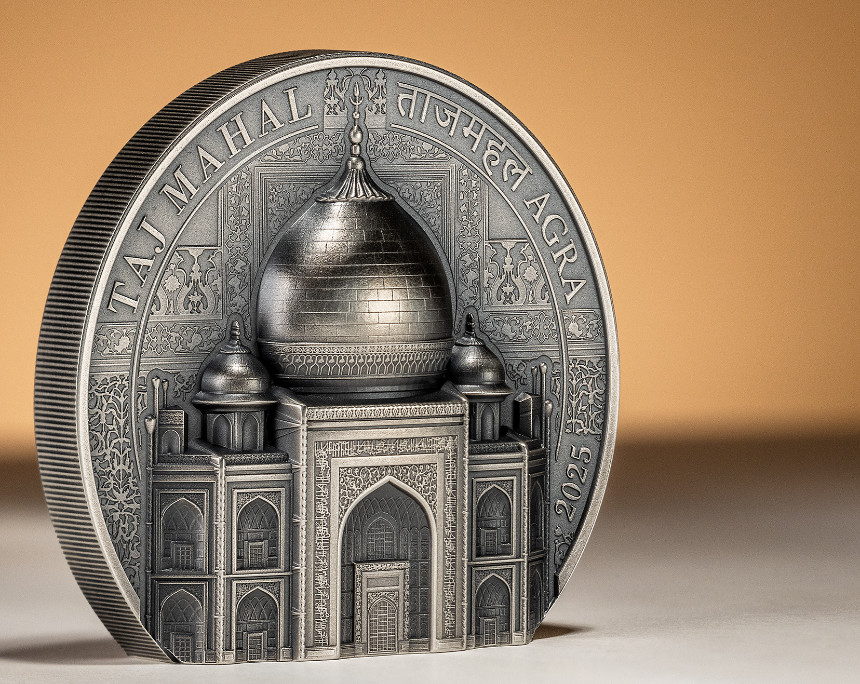
CIT’s Historical Monuments – Taj Mahal
The Taj Mahal is considered the most beautiful testimony to Islamic architecture in India and a symbol of love in stone. CIT chose this wonderful building as the subject of the 2025 issue in the Historical Monuments series.
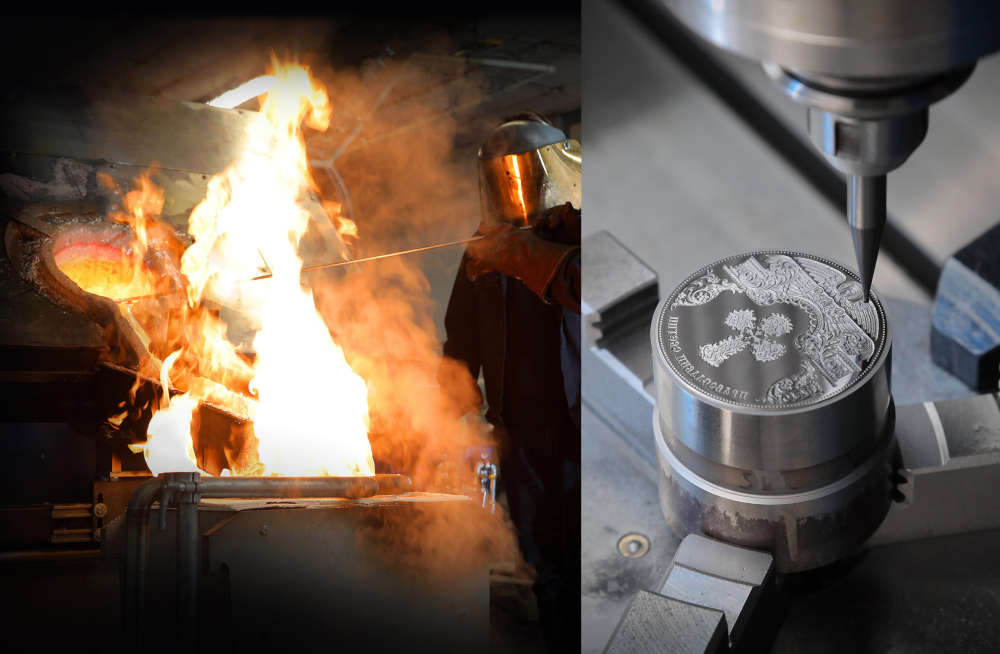
Bulmint
In March 2023, Ursula Kampmann visited Bulmint’s production facilities. ALL steps that are necessary for the manufacture of gold and silver coins are carried out there. By looking at the various departments, we can learn about every step in the production of a coin.
Archive: Coins, Medals and more
 https://new.coinsweekly.com/wp-content/uploads/2023/09/2023KW36HA_00.jpg
684
860
Ursula Kampmann
https://new.coinsweekly.com/wp-content/uploads/2023/01/logo-coinsweekly_590x204.png
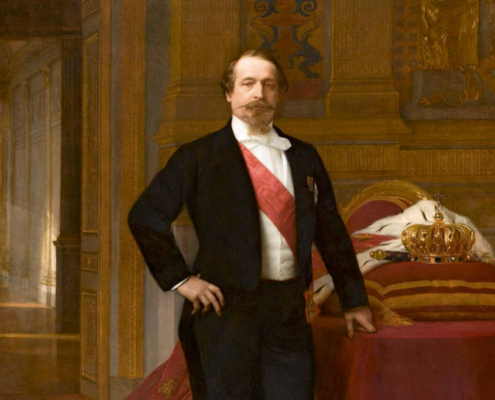
Ursula Kampmann2023-09-06 14:30:102023-09-06 14:30:10French History in Coins – Part 3: A New Napoleon
https://new.coinsweekly.com/wp-content/uploads/2023/09/2023KW36HA_00.jpg
684
860
Ursula Kampmann
https://new.coinsweekly.com/wp-content/uploads/2023/01/logo-coinsweekly_590x204.png
Ursula Kampmann2023-09-06 14:30:102023-09-06 14:30:10French History in Coins – Part 3: A New Napoleon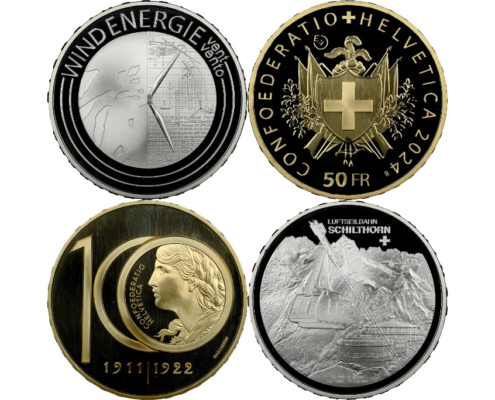 https://new.coinsweekly.com/wp-content/uploads/2024/12/2024KW49HA_00.jpg
684
860
Lucie Loechel
https://new.coinsweekly.com/wp-content/uploads/2023/01/logo-coinsweekly_590x204.png
Lucie Loechel2024-12-05 06:00:382024-12-05 13:32:34Swissmint Patterns at Numismatica Genevensis SA
https://new.coinsweekly.com/wp-content/uploads/2024/12/2024KW49HA_00.jpg
684
860
Lucie Loechel
https://new.coinsweekly.com/wp-content/uploads/2023/01/logo-coinsweekly_590x204.png
Lucie Loechel2024-12-05 06:00:382024-12-05 13:32:34Swissmint Patterns at Numismatica Genevensis SA
Exclusive High Relief Coin by Swissmint
In cooperation with CIT Coin Invest, Swissmint offered a special coin with smartminting high relief for the Zurich International Coin Fair.
Joachim Stollhoff (18.7.1948-2.11.2024)
Claire Franklin-Werz also wrote an extensive obituary for her long-time friend and mentor Joachim Stollhoff.