







Archive: People and Markets
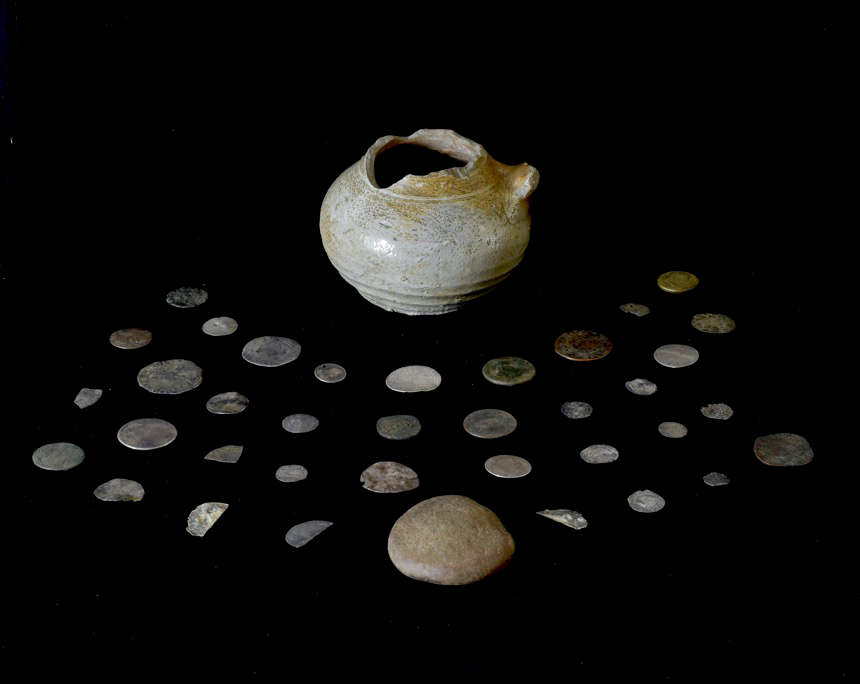
Coin Hoard Gives Fascinating Insight Into Life Before the Glencoe Massacre
Hidden underneath a stone fireplace of a house in Glencoe, Scotland, a pot with silver coins was recently discovered. They were minted in the years shortly before the infamous Glencoe massacre of 1692. Was the person who buried these coins among the victims of the treacherous clan slaughter in the Highlands?
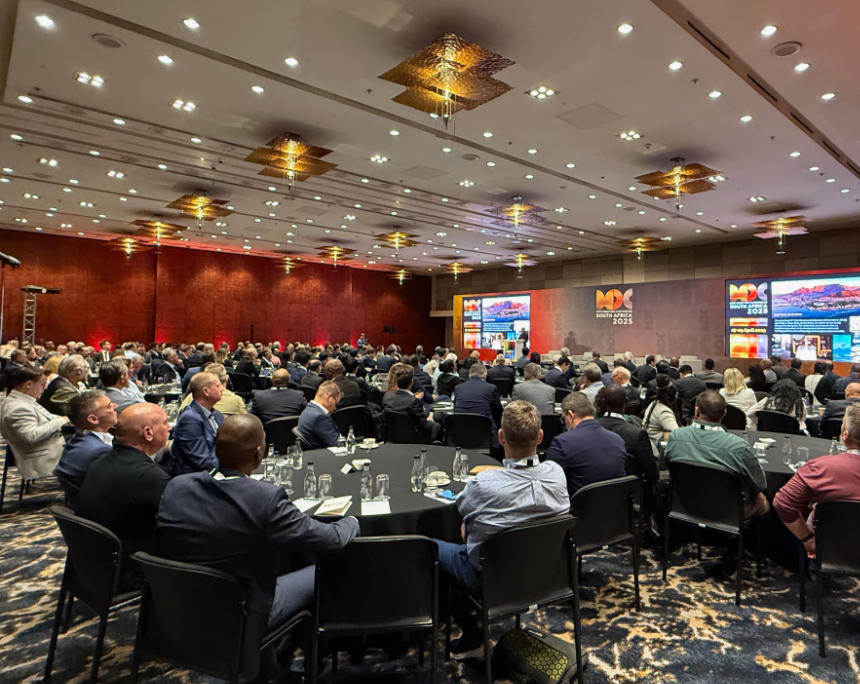
Between Tradition and the Demands of a New Economic World
The 32nd Mint Directors Conference took place in Cape Town from April 27th to 29th, 2025. It was the highlight of my numismatic journey through South Africa. In an international context, South Africa presented itself as a promising country of (numismatic) opportunities.
Archive: Coins, Medals and more
 https://new.coinsweekly.com/wp-content/uploads/2024/11/2024KW48HA_00.jpg
684
860
Lucie Loechel
https://new.coinsweekly.com/wp-content/uploads/2023/01/logo-coinsweekly_590x204.png
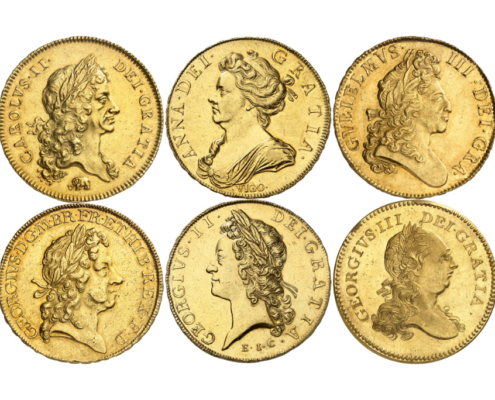
Lucie Loechel2024-11-28 11:11:542024-11-28 11:42:25Royal Gold: England’s Five Guineas and the English Gold Currency
https://new.coinsweekly.com/wp-content/uploads/2024/11/2024KW48HA_00.jpg
684
860
Lucie Loechel
https://new.coinsweekly.com/wp-content/uploads/2023/01/logo-coinsweekly_590x204.png
Lucie Loechel2024-11-28 11:11:542024-11-28 11:42:25Royal Gold: England’s Five Guineas and the English Gold Currency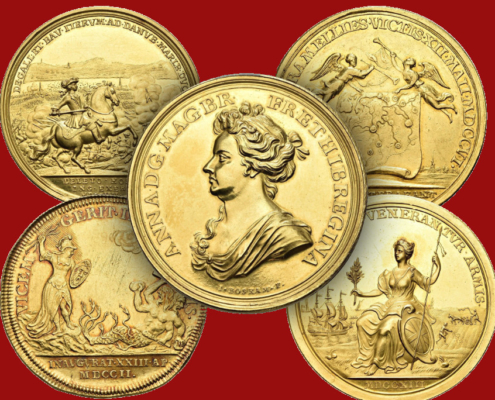 https://new.coinsweekly.com/wp-content/uploads/2025/05/2025KW19HA01_00.jpg
684
860
Lucie Loechel
https://new.coinsweekly.com/wp-content/uploads/2023/01/logo-coinsweekly_590x204.png
Lucie Loechel2025-05-08 10:15:222025-05-08 10:15:22Queen Anne: Great Britain on Its Way to Becoming a Global Power
https://new.coinsweekly.com/wp-content/uploads/2025/05/2025KW19HA01_00.jpg
684
860
Lucie Loechel
https://new.coinsweekly.com/wp-content/uploads/2023/01/logo-coinsweekly_590x204.png
Lucie Loechel2025-05-08 10:15:222025-05-08 10:15:22Queen Anne: Great Britain on Its Way to Becoming a Global Power
Reformation Coins and Medals: Annotated English Translation of “Ebenezer”
The International Association of Reformation Coins and Medals (IARCM) announced the publication of a significant numismatic resource: a comprehensive, annotated English translation of Christian Schlegel’s “Ebenezer,” the third section of Ernst Solomon Cyprian’s celebrated “Hilaria Evangelica,” first published in 1719.
9th International Symposium in Early Medieval Coinage 2024
The 9th International Symposium in Early Medieval Coinage will be held in April 2024. The symposium is a great opportunity for specialists, collectors and detectorists to meet – and of course to give a talk.