









Archive: People and Markets
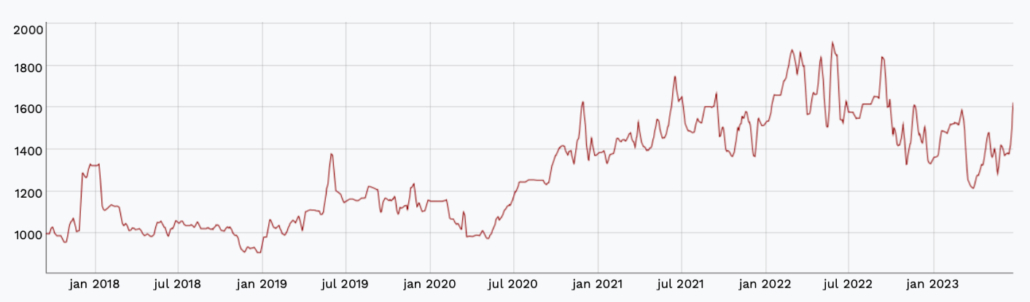
The Numismatic Index on 25 June 2023
The numismatic index numindex transparently shows how the prices of selected coins change over time. In the style of a stock index, it was designed for collectors who consider their collection an investment. Find out about the current state of the index.

Customs Repatriation to Greece Raises Questions
U.S. Customs recently confiscated fifty-one ancient coins and repatriated them to the Greek Government. But was this act really covered by the MOU with Greece? Peter Tompa gives coin collectors some advises.
Archive: Coins, Medals and more
 https://new.coinsweekly.com/wp-content/uploads/2023/08/2023KW35HA_00.jpg
684
860
Ursula Kampmann
https://new.coinsweekly.com/wp-content/uploads/2023/01/logo-coinsweekly_590x204.png
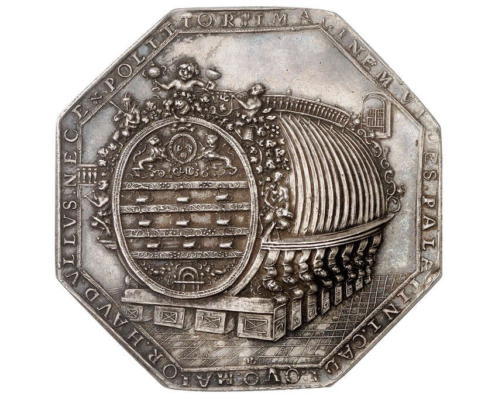
Ursula Kampmann2023-08-31 08:53:232023-08-31 11:47:37The Heidelberg Tun and Early Modern Winemaking
https://new.coinsweekly.com/wp-content/uploads/2023/08/2023KW35HA_00.jpg
684
860
Ursula Kampmann
https://new.coinsweekly.com/wp-content/uploads/2023/01/logo-coinsweekly_590x204.png
Ursula Kampmann2023-08-31 08:53:232023-08-31 11:47:37The Heidelberg Tun and Early Modern Winemaking https://new.coinsweekly.com/wp-content/uploads/2023/12/2023KW50HA_00B.jpg
684
860
Ursula Kampmann
https://new.coinsweekly.com/wp-content/uploads/2023/01/logo-coinsweekly_590x204.png
Ursula Kampmann2023-12-14 10:41:562023-12-14 10:41:56The Borki Train Disaster
https://new.coinsweekly.com/wp-content/uploads/2023/12/2023KW50HA_00B.jpg
684
860
Ursula Kampmann
https://new.coinsweekly.com/wp-content/uploads/2023/01/logo-coinsweekly_590x204.png
Ursula Kampmann2023-12-14 10:41:562023-12-14 10:41:56The Borki Train Disaster
Medieval Coin Hoard Found in the Black Forest
In Southwest Germany, a significant medieval coin hoard was recently discovered, consisting of ca. 1,600 coins from the period around 1320 AD. The coin hoard is said to be the largest one found in South Baden in 75 years.
A Military Motif in Circulation – Or: How Political Should 2-Euro Coins Be?
Lithuania is planning to design a 2-euro commemorative coin for defense “against foreign armed forces”. Critics fear a numismatic mobilization – and are eagerly awaiting a possible veto from other euro countries. But have there ever been comparable cases?