











Archive: People and Markets
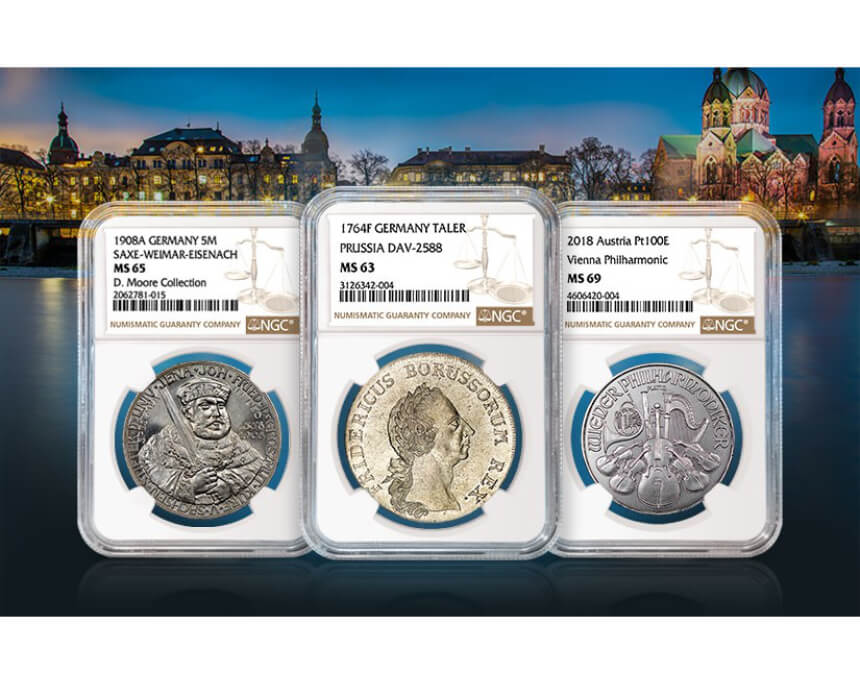
NGC Grading On-site in Munich in February
For the first time since 2019, NGC will be carrying out on-site coin grading at its office in Munich in February. Collectors and dealers have the opportunity to submit their treasures for grading at the World Money Fair in Berlin.
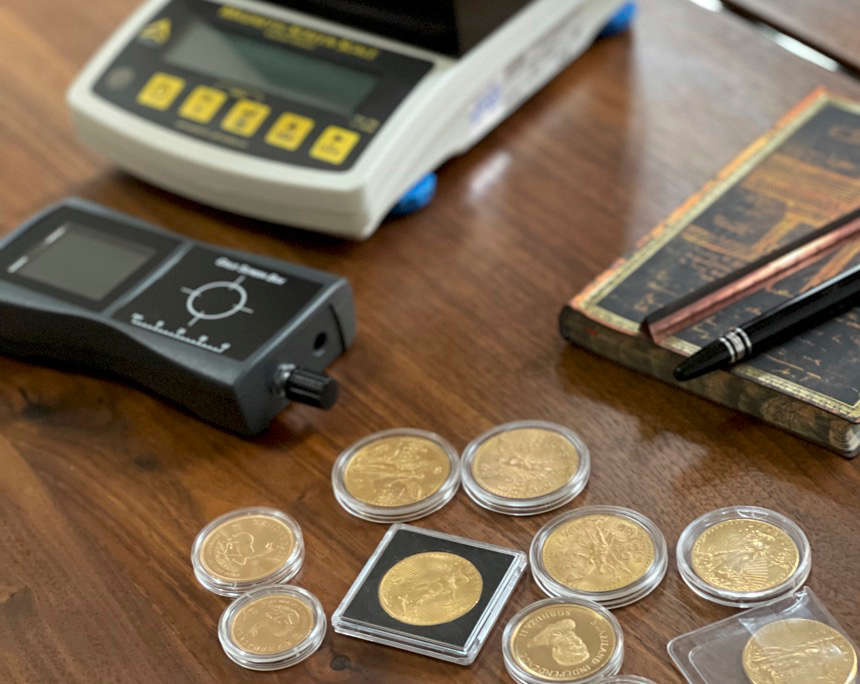
Interview: Are Modern Collector Coins a Sensible Investment?
It is becoming increasingly popular to buy coins as a form of investment, but this can be risky if the buyer lacks the necessary expertise. We spoke to someone who really knows their stuff: Dirk Wasserthal, Managing Director of RareCoin.Store and expert in rarities of modern numismatics, tells us what to look out for.
Archive: Coins, Medals and more
 https://new.coinsweekly.com/wp-content/uploads/2025/05/2025KW19HA01_00.jpg
684
860
Lucie Loechel
https://new.coinsweekly.com/wp-content/uploads/2023/01/logo-coinsweekly_590x204.png
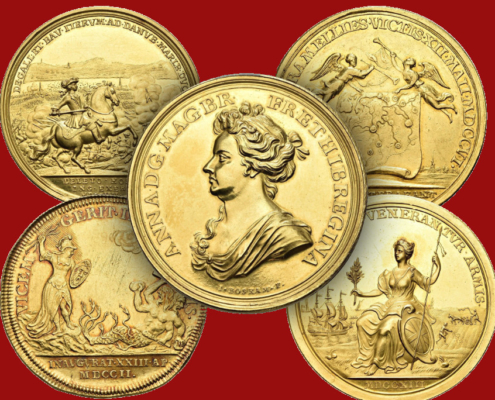
Lucie Loechel2025-05-08 10:15:222025-05-08 10:15:22Queen Anne: Great Britain on Its Way to Becoming a Global Power
https://new.coinsweekly.com/wp-content/uploads/2025/05/2025KW19HA01_00.jpg
684
860
Lucie Loechel
https://new.coinsweekly.com/wp-content/uploads/2023/01/logo-coinsweekly_590x204.png
Lucie Loechel2025-05-08 10:15:222025-05-08 10:15:22Queen Anne: Great Britain on Its Way to Becoming a Global Power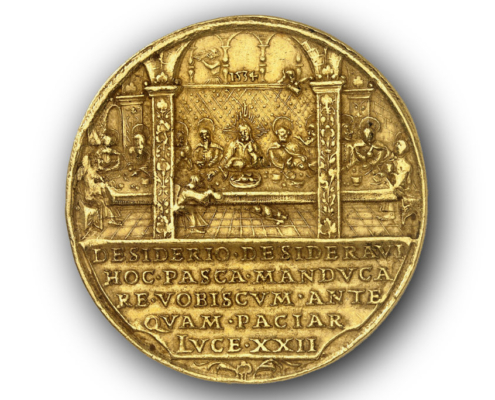 https://new.coinsweekly.com/wp-content/uploads/2025/01/2025KW02HA_00.jpg
684
860
Lucie Loechel
https://new.coinsweekly.com/wp-content/uploads/2023/01/logo-coinsweekly_590x204.png
Lucie Loechel2025-01-09 10:35:332025-01-09 14:45:59Joachimsthal and the Reformation
https://new.coinsweekly.com/wp-content/uploads/2025/01/2025KW02HA_00.jpg
684
860
Lucie Loechel
https://new.coinsweekly.com/wp-content/uploads/2023/01/logo-coinsweekly_590x204.png
Lucie Loechel2025-01-09 10:35:332025-01-09 14:45:59Joachimsthal and the Reformation
Silk, Silver, and Spice: Money Museum’s New Exhibit Explores Treasures of Trade
Today, the Edward C. Rochette Money Museum in Colorado Springs opens its newest exhibition. “The Silk Road(s): A Numismatic Travelogue” will take observers on a journey of commerce, culture, and connections made possible through coinage.
New CCG Office will open in Dubai 2024
The Certified Collectibles Group will open an office in Dubai in 2024. The new office will make it easier for collectors and dealers in the region to submit to NGC, PMG and CGC.