







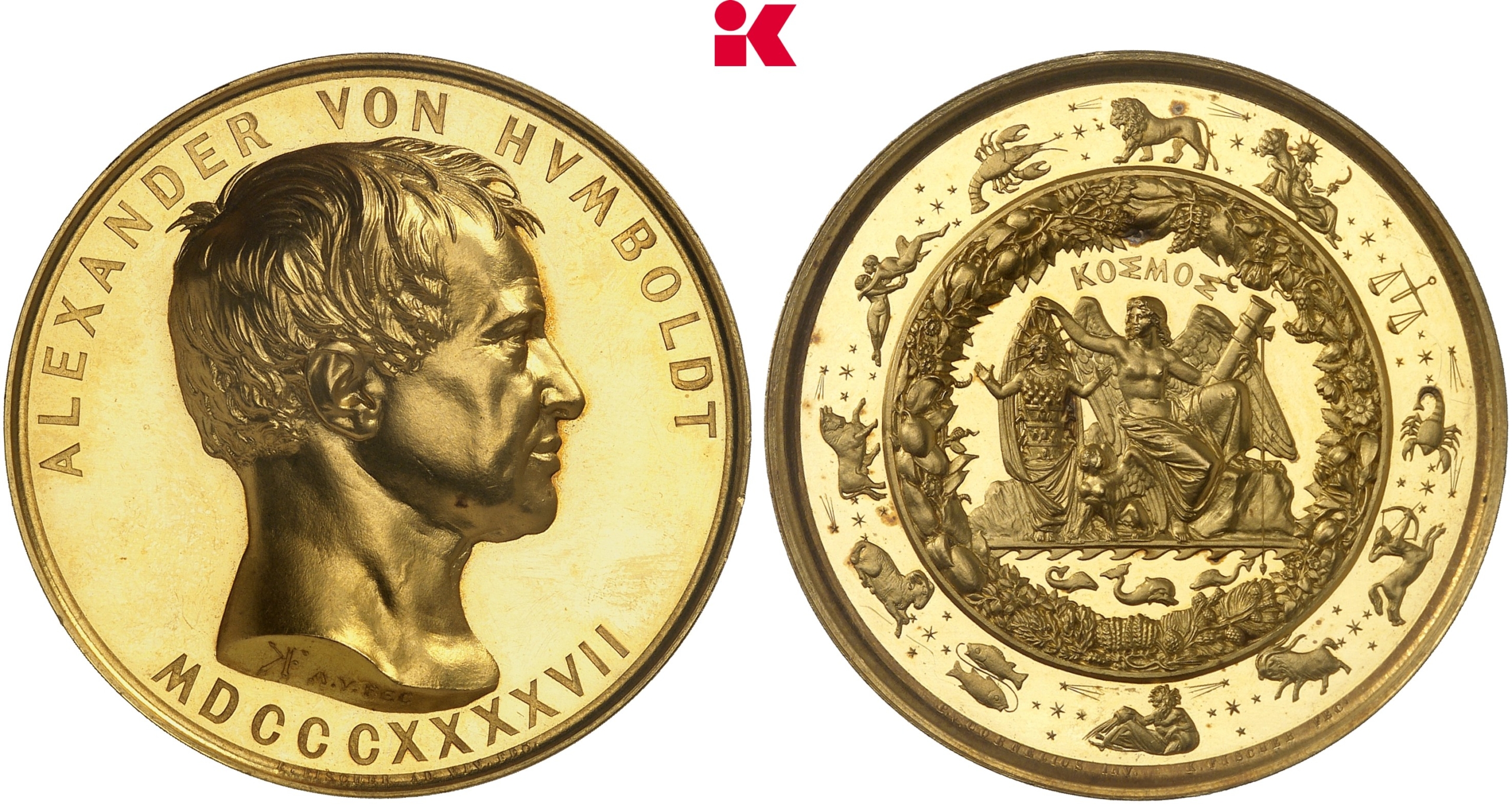
Gold medal in the weight of 50 ducats
commemorating the publication of the second volume
of Alexander von Humboldt’s *Kosmos*.
NGC MS 65 PL.
From the estate of Emperor William I.
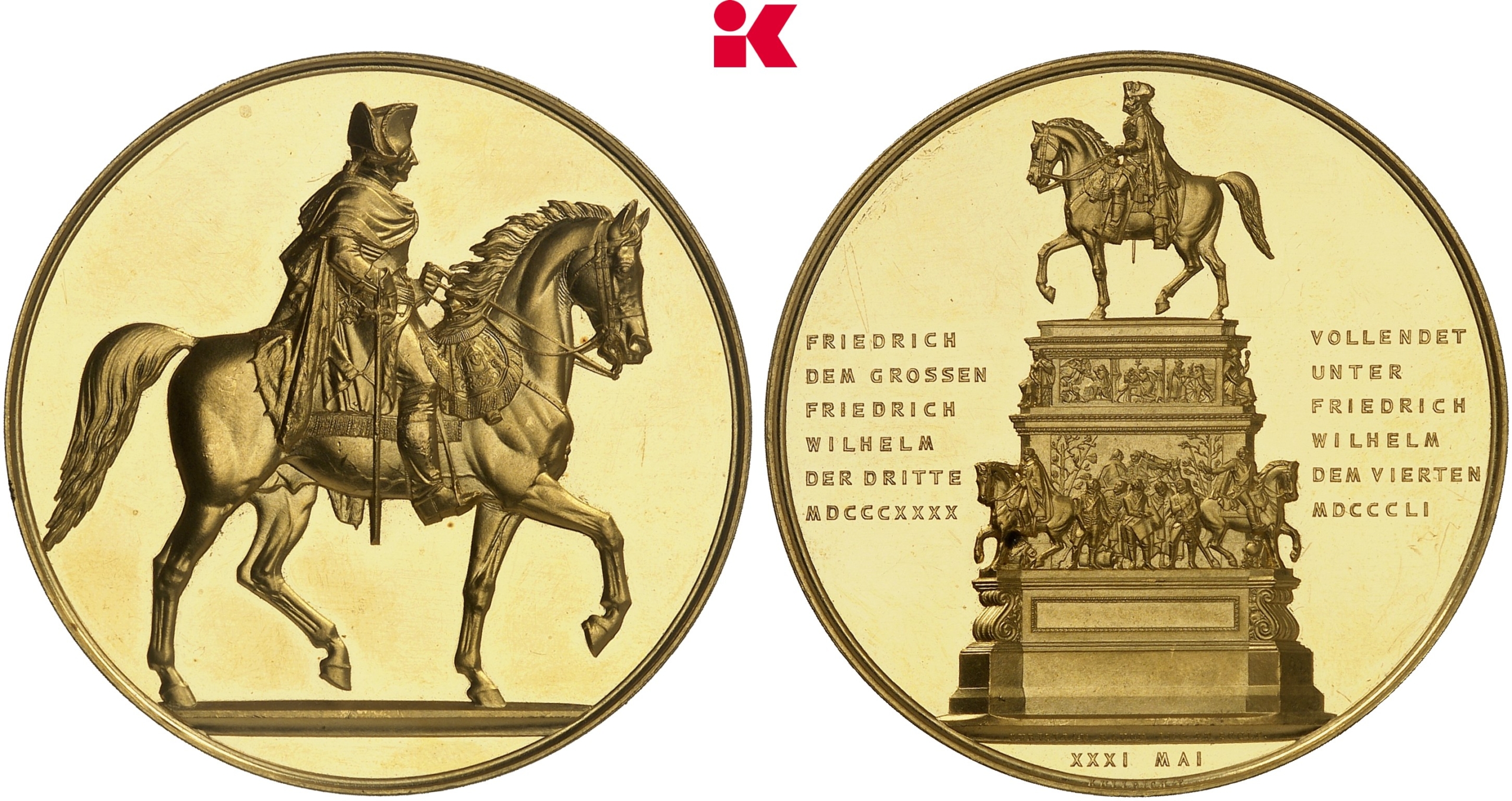
Gold medal in the weight of 50 ducats commemorating
the unveiling of the equestrian statue of
Frederick the Great on Unter den Linden in Berlin in 1851.
NGC MS 63 PL.
From the estate of Emperor William I.
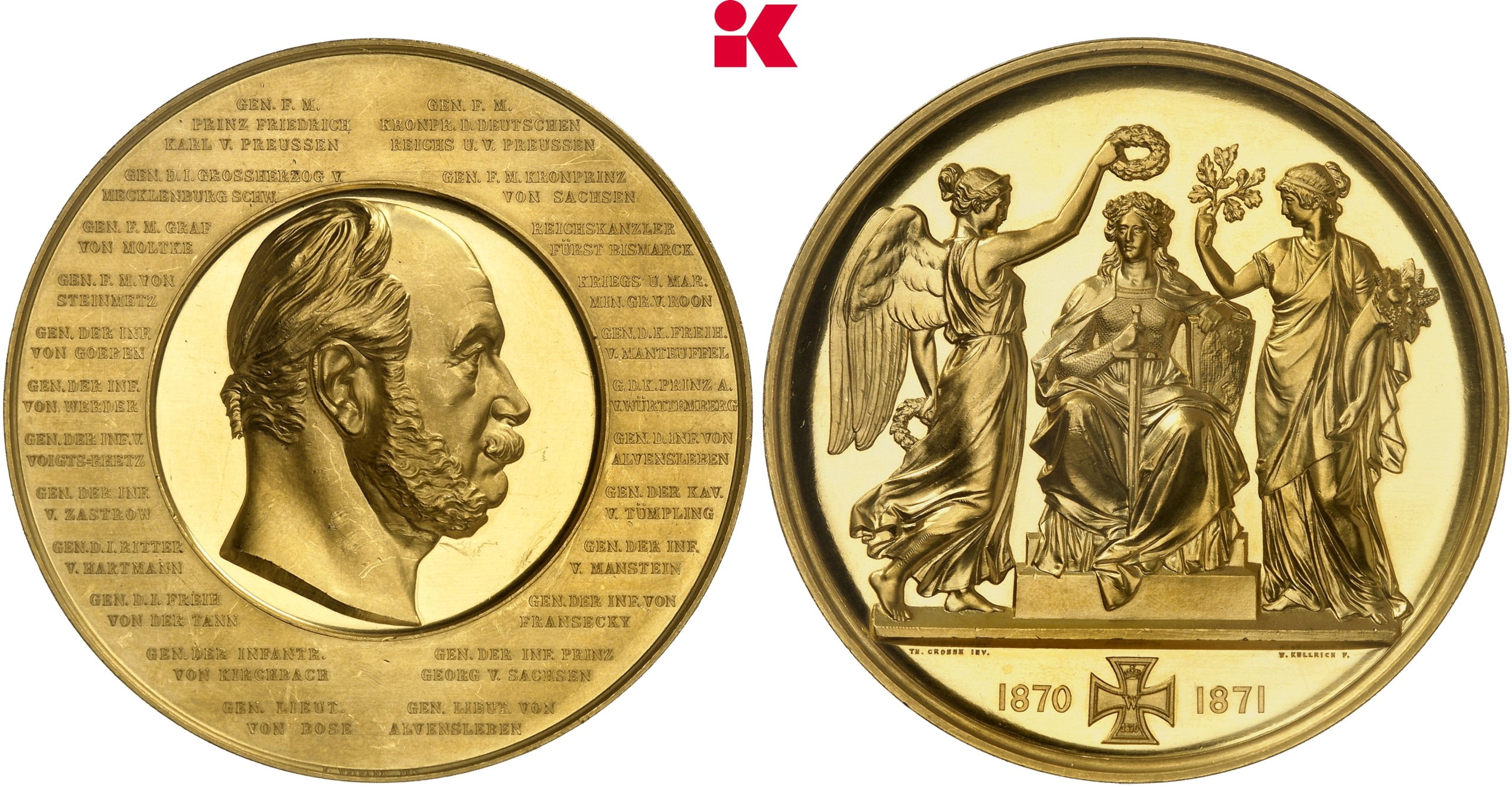
General’s Medal in the weight of 120 ducats, 1871,
commemorating the victory over France.
A magnificent specimen.
From the estate of Emperor William I.
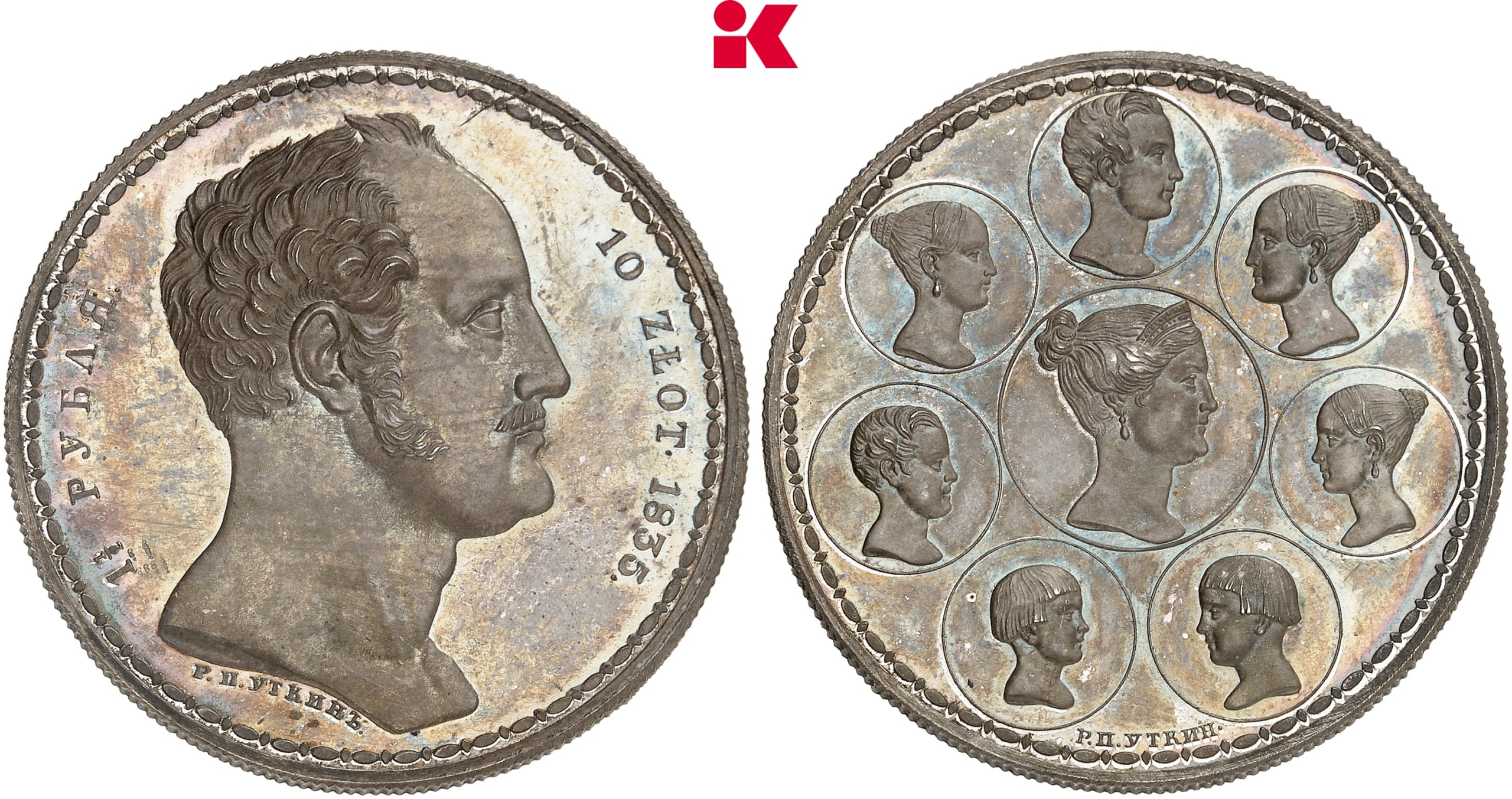
1 1/2 rubles (10 zlotys), 1835, St. Petersburg.
NGC MS 64 (Top Pop).
Only 36 examples struck.
A cabinet piece from polished dies.
From the estate of King Frederick William IV.
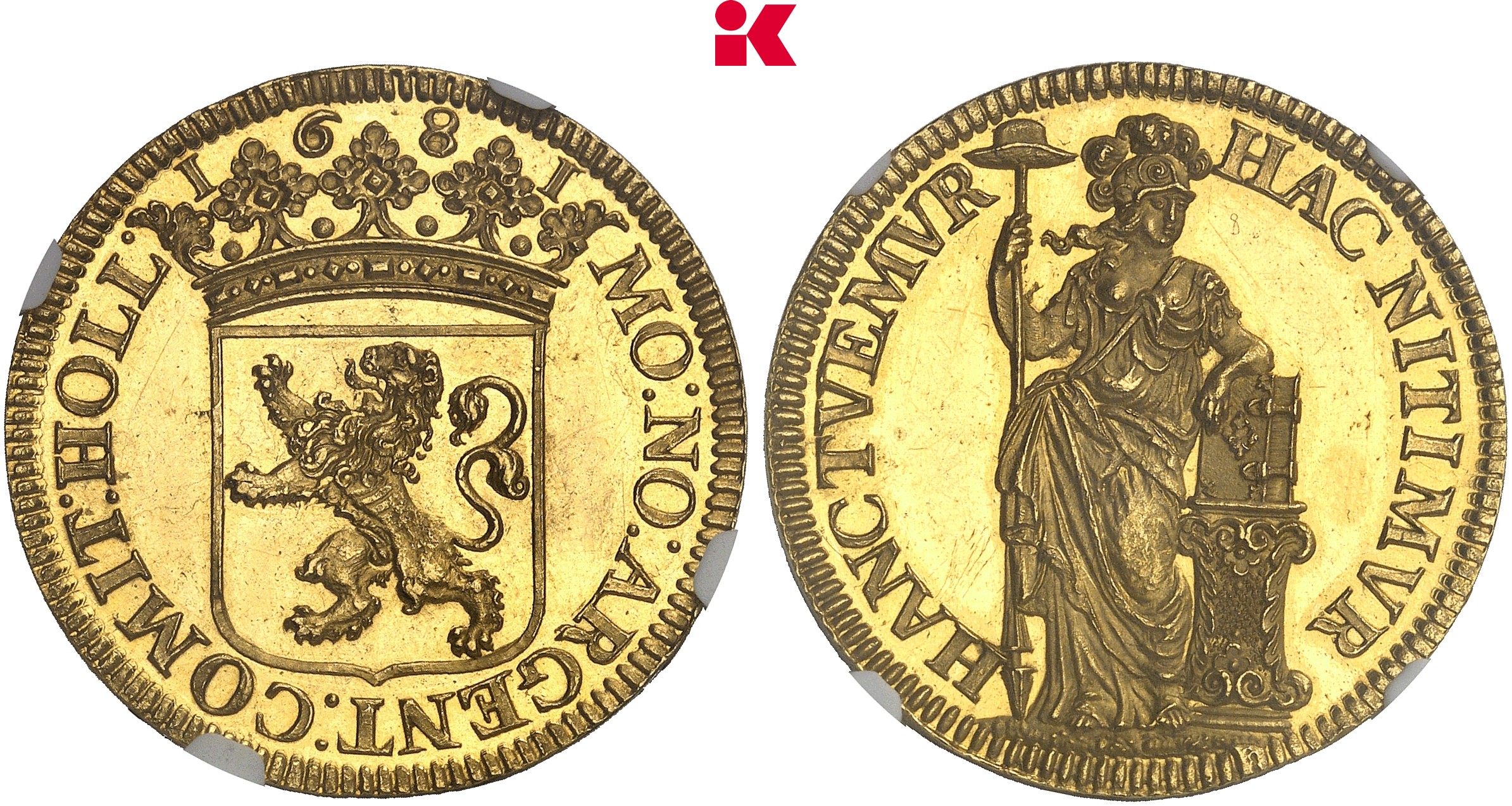
5 ducats, 1681.
Struck with the dies of a guilder.
NGC PF 64 Cameo.
Proof.
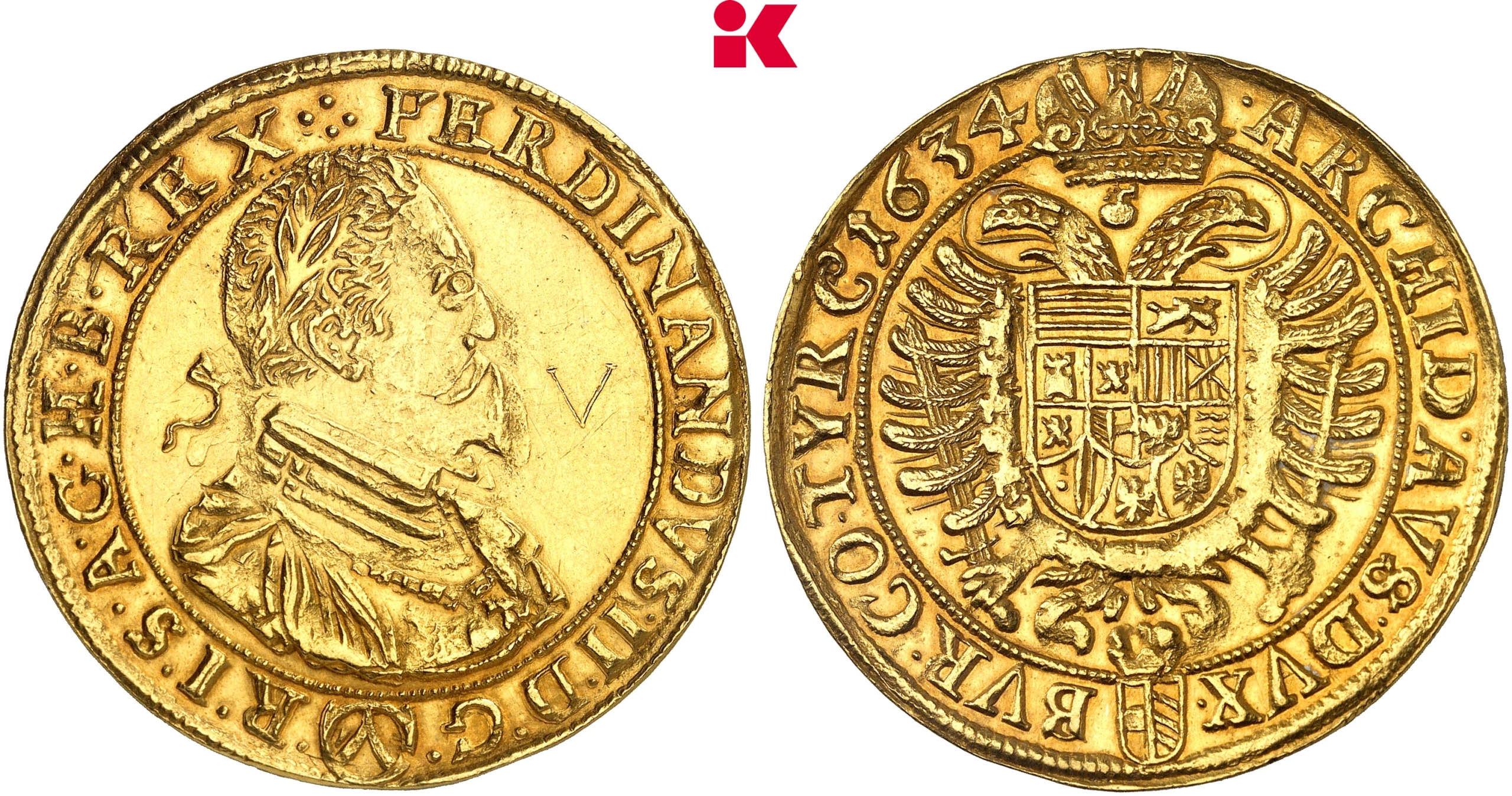
5 ducats, 1634, Vienna.
Extremely rare.
Extremely fine-uncirculated.
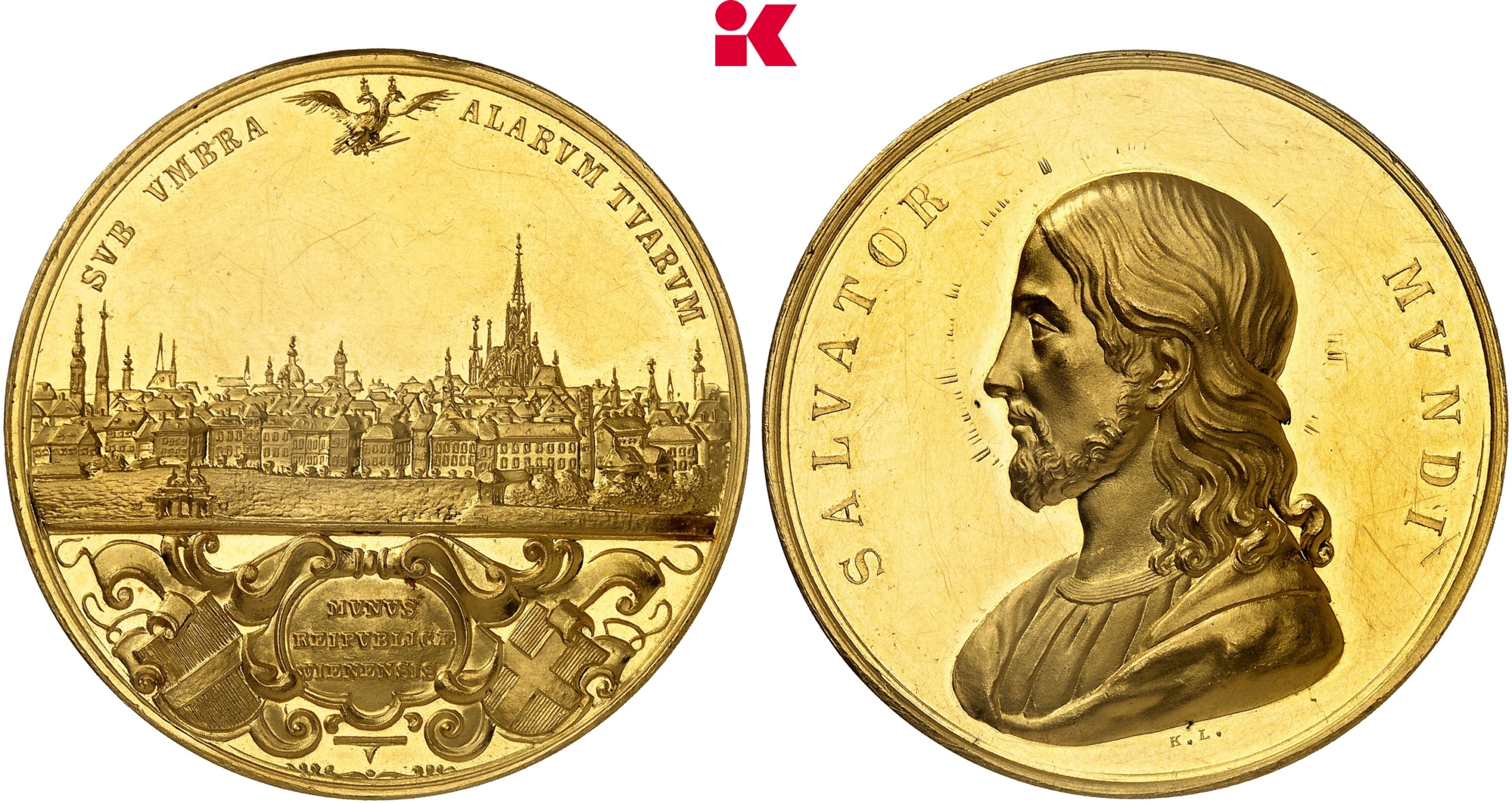
Salvator Medal in the weight of 12 ducats,
n. d.(around 1840).
NGC PF 61 CAMEO.
Proof.
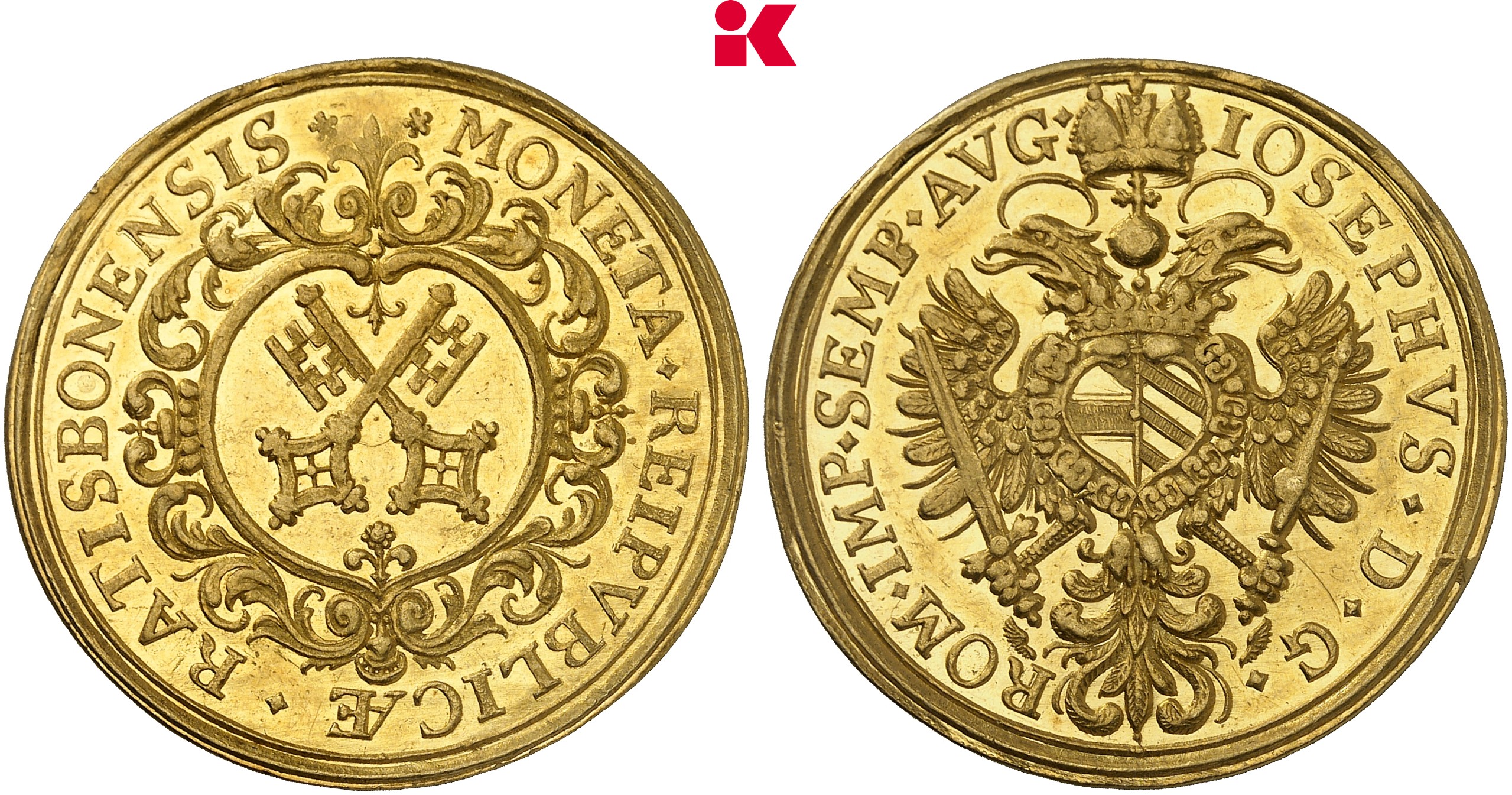
5 ducats, n. d. (1708–1710),
with the title of Joseph I. NGC MS 64.
Extremely rare. According to mint records,
only 7 copies struck.
A magnificent piece.
Archive: People and Markets

Coin Shop Looted in Michigan
The Numismatic Crime Information Center notifies the numismatic community about a burglary at a coin shop in South Eastern Michigan on 16 December.

Further Thefts at Royal Coin Cabinet Brought to Trial
The systematic thefts at the Royal Coin Cabinet in Stockholm were not committed by one single person. Another employee helped himself to some objects. At present, prosecutors are trying to prove the man stole coins worth more than 3.8 million Swedish kronor, including a Russian family ruble which sold for 510,000 SEK in 2009.
Archive: Coins, Medals and more
 https://new.coinsweekly.com/wp-content/uploads/2024/08/2024KW35HA_00.jpg
684
860
Sebastian Wieschowski
https://new.coinsweekly.com/wp-content/uploads/2023/01/logo-coinsweekly_590x204.png
Sebastian Wieschowski2024-08-29 08:00:232024-08-29 09:45:04Marks and Pfennigs in Your Inheritance: What Should Heirs Do with Old DM Coins?
https://new.coinsweekly.com/wp-content/uploads/2024/08/2024KW35HA_00.jpg
684
860
Sebastian Wieschowski
https://new.coinsweekly.com/wp-content/uploads/2023/01/logo-coinsweekly_590x204.png
Sebastian Wieschowski2024-08-29 08:00:232024-08-29 09:45:04Marks and Pfennigs in Your Inheritance: What Should Heirs Do with Old DM Coins? https://new.coinsweekly.com/wp-content/uploads/2024/09/2024KW38HA_00.jpg
684
860
Ursula Kampmann
https://new.coinsweekly.com/wp-content/uploads/2023/01/logo-coinsweekly_590x204.png
Ursula Kampmann2024-09-19 10:16:302024-09-19 11:07:49Bloody Flag and Scheepjesschelling
https://new.coinsweekly.com/wp-content/uploads/2024/09/2024KW38HA_00.jpg
684
860
Ursula Kampmann
https://new.coinsweekly.com/wp-content/uploads/2023/01/logo-coinsweekly_590x204.png
Ursula Kampmann2024-09-19 10:16:302024-09-19 11:07:49Bloody Flag and Scheepjesschelling
Museum of American Finance to Display Collection Highlights at IMEX
The Museum of American Finance will display some of their most important documents at the International Money Exposition (IMEX) in Nashville. See some of the collection highlights here.
Provenanced Coin Finds Versus Rarities – The Importance of Coin Finds for Historical Statistics
Reporting coin finds is essential for the study of coinage. A Workshop in Jordan discussed the importance of coin finds for historical statistics and the experience of a group of Syrian archaeologists who turned to one of the most important groups of coin finders: children.