







Archive: People and Markets

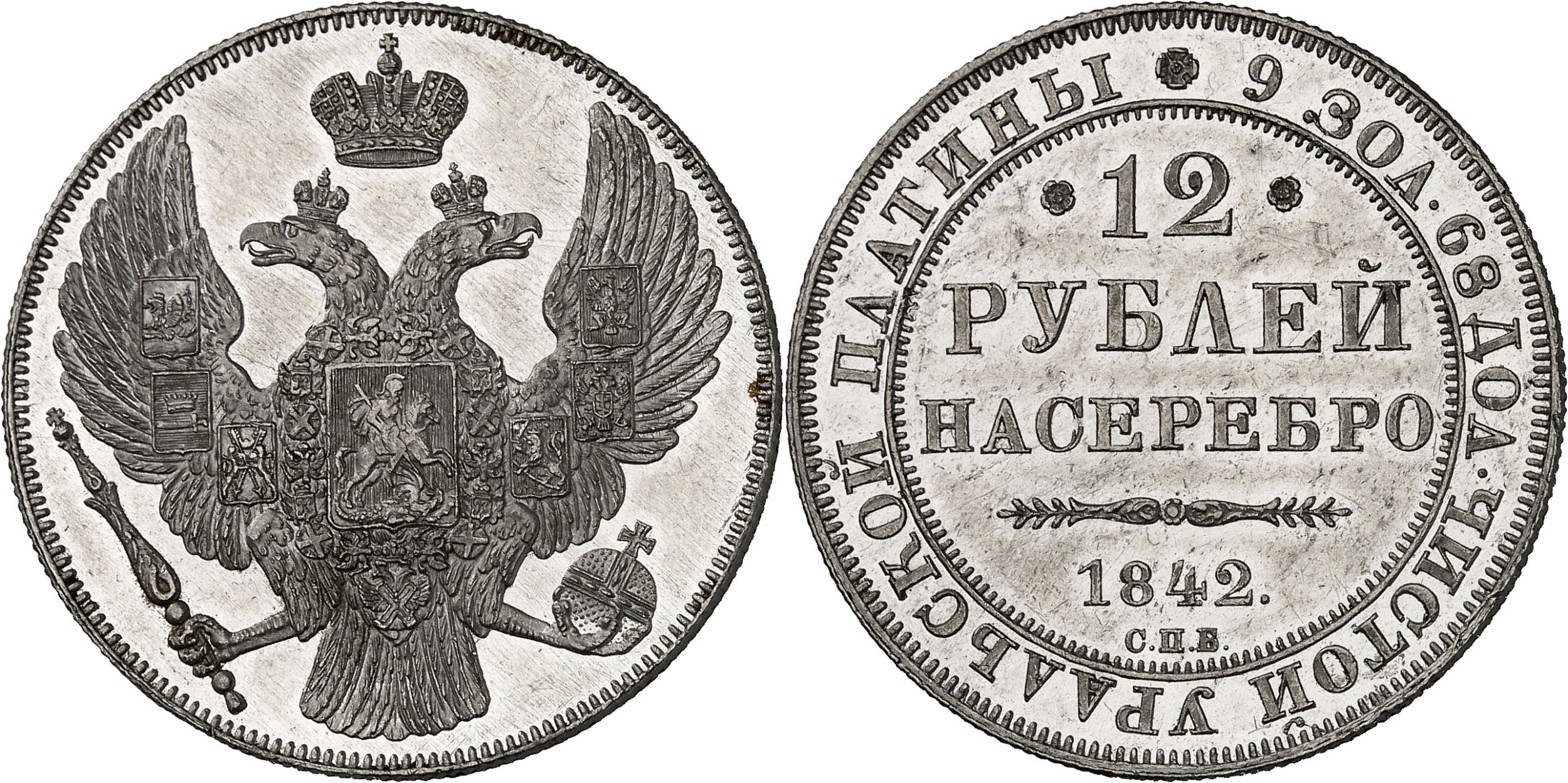
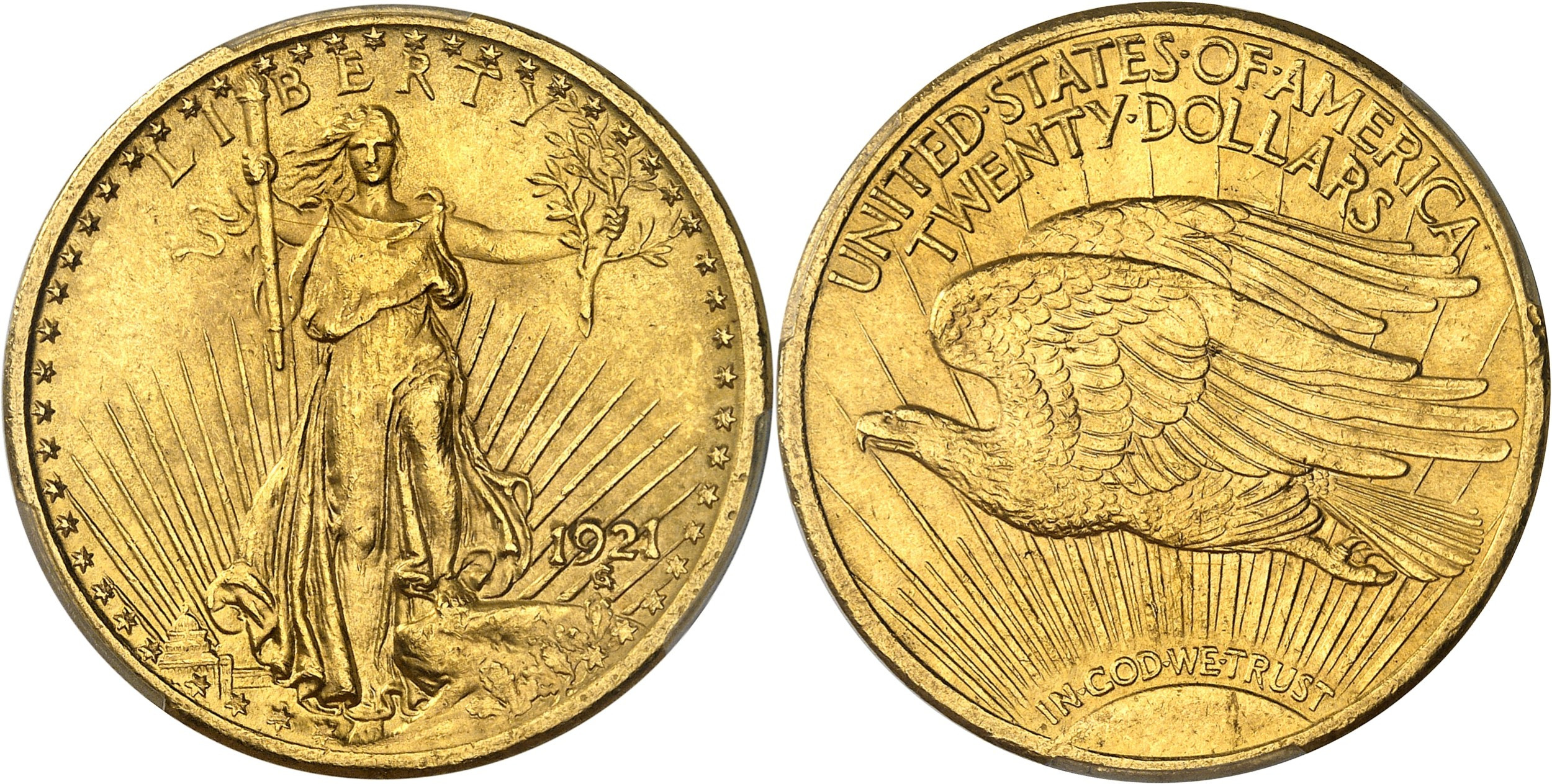
Warning Against Overpriced Coins: “Stick Figure” and “Woman on a Bull” Designs Aren’t Just Found in the Euro Zone
“Mega-rarity from your change” – sensational headlines like these frustrate coin collectors and dealers across Europe. Yet, it’s not just within the Eurozone that supposed rarities, often lacking genuine collector value, make waves.
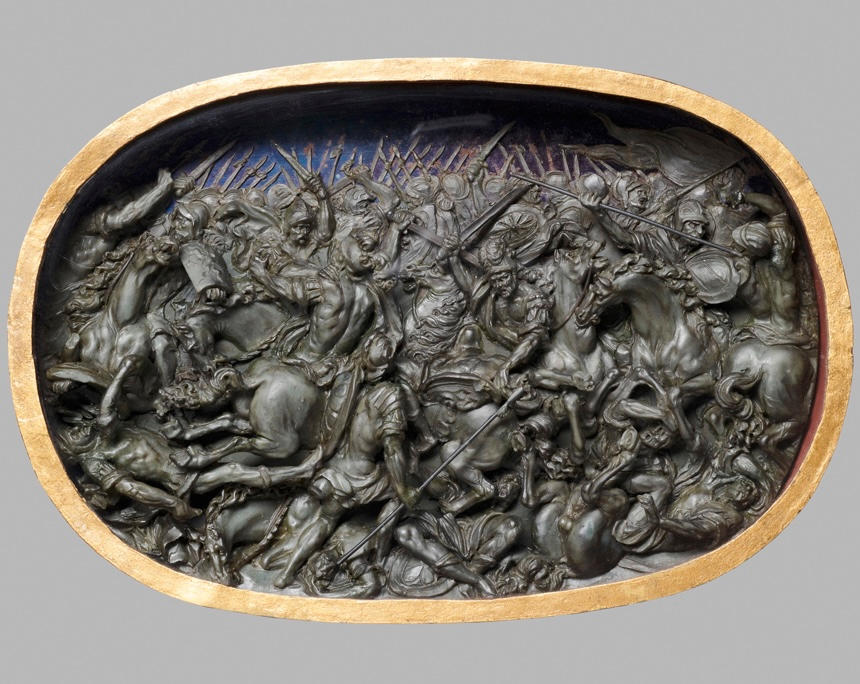
Daniel Neuberger and the Art of Deception – Exhibition at the Kunsthistorisches Museum
The Kunsthistorisches Museum Vienna is currently showing a special exhibition about Daniel Neuberger. Neuberger (1621–1680) was one of the most important and versatile artists at the imperial court in Vienna, where he worked as a wax sculptor, portraitist, and lapidary for Emperor Ferdinand III and his sons Ferdinand IV and Leopold I. more
Archive: Coins, Medals and more
 https://new.coinsweekly.com/wp-content/uploads/2024/05/2024KW19HA_00.jpg
684
860
Ursula Kampmann
https://new.coinsweekly.com/wp-content/uploads/2023/01/logo-coinsweekly_590x204.png
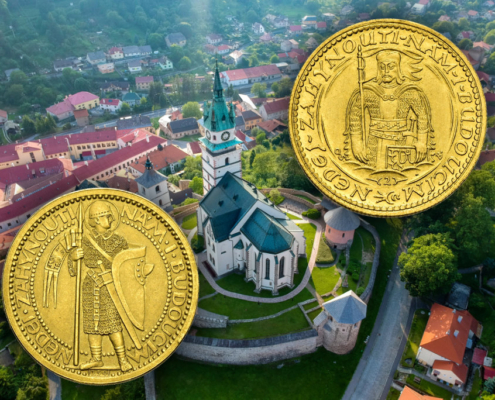
Ursula Kampmann2024-05-08 08:46:252024-05-08 08:46:25The First Years of Czechoslovak Coinage
https://new.coinsweekly.com/wp-content/uploads/2024/05/2024KW19HA_00.jpg
684
860
Ursula Kampmann
https://new.coinsweekly.com/wp-content/uploads/2023/01/logo-coinsweekly_590x204.png
Ursula Kampmann2024-05-08 08:46:252024-05-08 08:46:25The First Years of Czechoslovak Coinage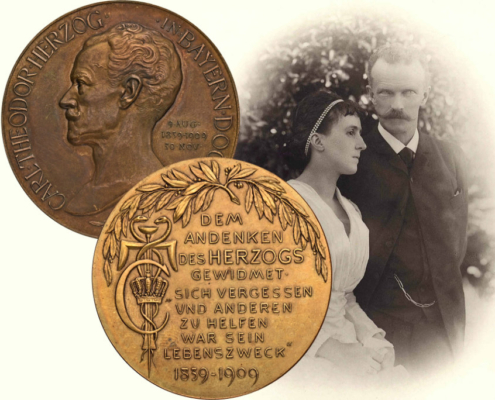 https://new.coinsweekly.com/wp-content/uploads/2024/10/2024KW42HA1_00.jpg
684
860
Lucie Loechel
https://new.coinsweekly.com/wp-content/uploads/2023/01/logo-coinsweekly_590x204.png
Lucie Loechel2024-10-17 10:51:292024-10-17 15:10:28Carl Theodor in Bavaria: The Old Nobility Takes Up a New Role
https://new.coinsweekly.com/wp-content/uploads/2024/10/2024KW42HA1_00.jpg
684
860
Lucie Loechel
https://new.coinsweekly.com/wp-content/uploads/2023/01/logo-coinsweekly_590x204.png
Lucie Loechel2024-10-17 10:51:292024-10-17 15:10:28Carl Theodor in Bavaria: The Old Nobility Takes Up a New Role
Peter Ilisch (1947–2023)
Peter Ilisch passed away on 29 May 2023. The former curator in Münster specialised in medieval and early modern Westphalia. As an obituary, we publish the speech of Stefan Kötz, who paid tribute to his predecessor in office at the funeral service.
The FBI Warns: Fraudsters Have Their Sights Set on Coin Collectors
The FBI has published a new warning that scammers are trying to trick older people in particular out of their coins. Find out which scams are common and how you can protect yourself against them.