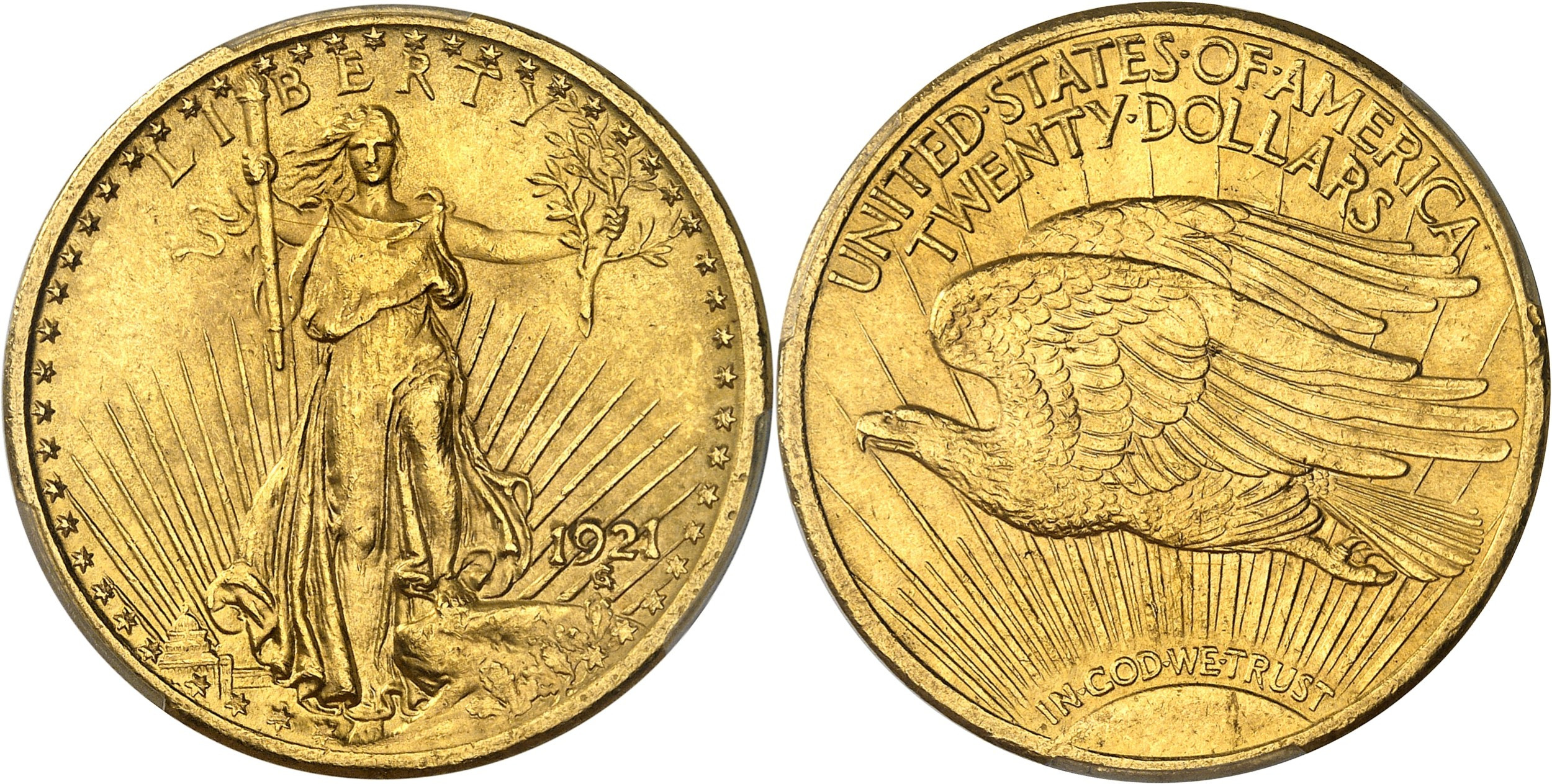
154Prussia. Frederick William IV, 1840–1861.
Gold medal in the weight of 50 ducats
commemorating the publication of the second volume
of Alexander von Humboldt’s *Kosmos*.
NGC MS 65 PL.
From the estate of Emperor William I.
Estimate: 40.000 Euro

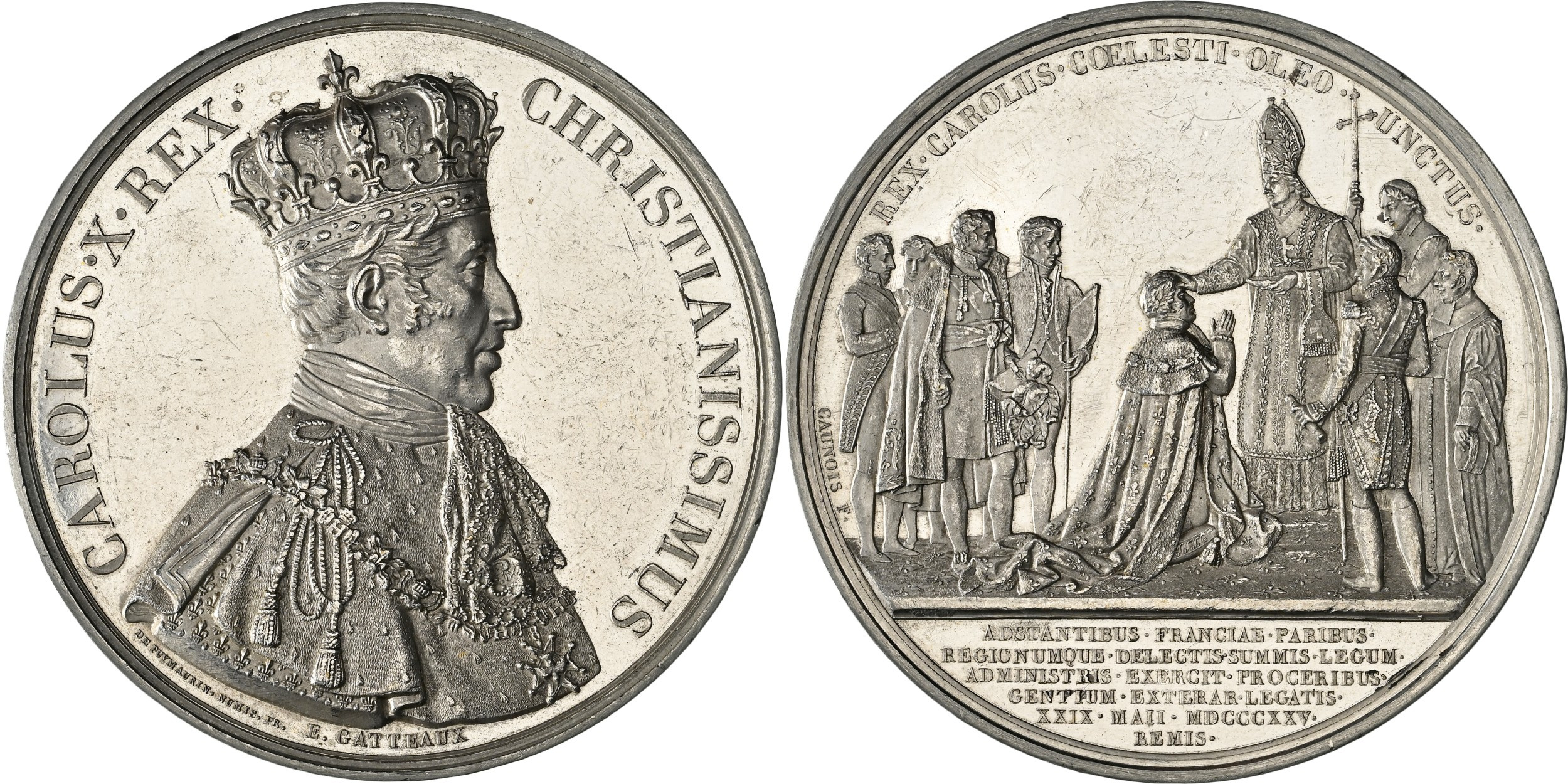
166Prussia. Frederick William IV, 1840–1861.
Gold medal in the weight of 50 ducats commemorating
the unveiling of the equestrian statue of
Frederick the Great on Unter den Linden in Berlin in 1851.
NGC MS 63 PL.
From the estate of Emperor William I.
Estimate: 25.000 Euro

191Prussia. William I, 1861–1888.
General’s Medal in the weight of 120 ducats, 1871,
commemorating the victory over France.
A magnificent specimen.
From the estate of Emperor William I.
Estimate: 75.000 Euro

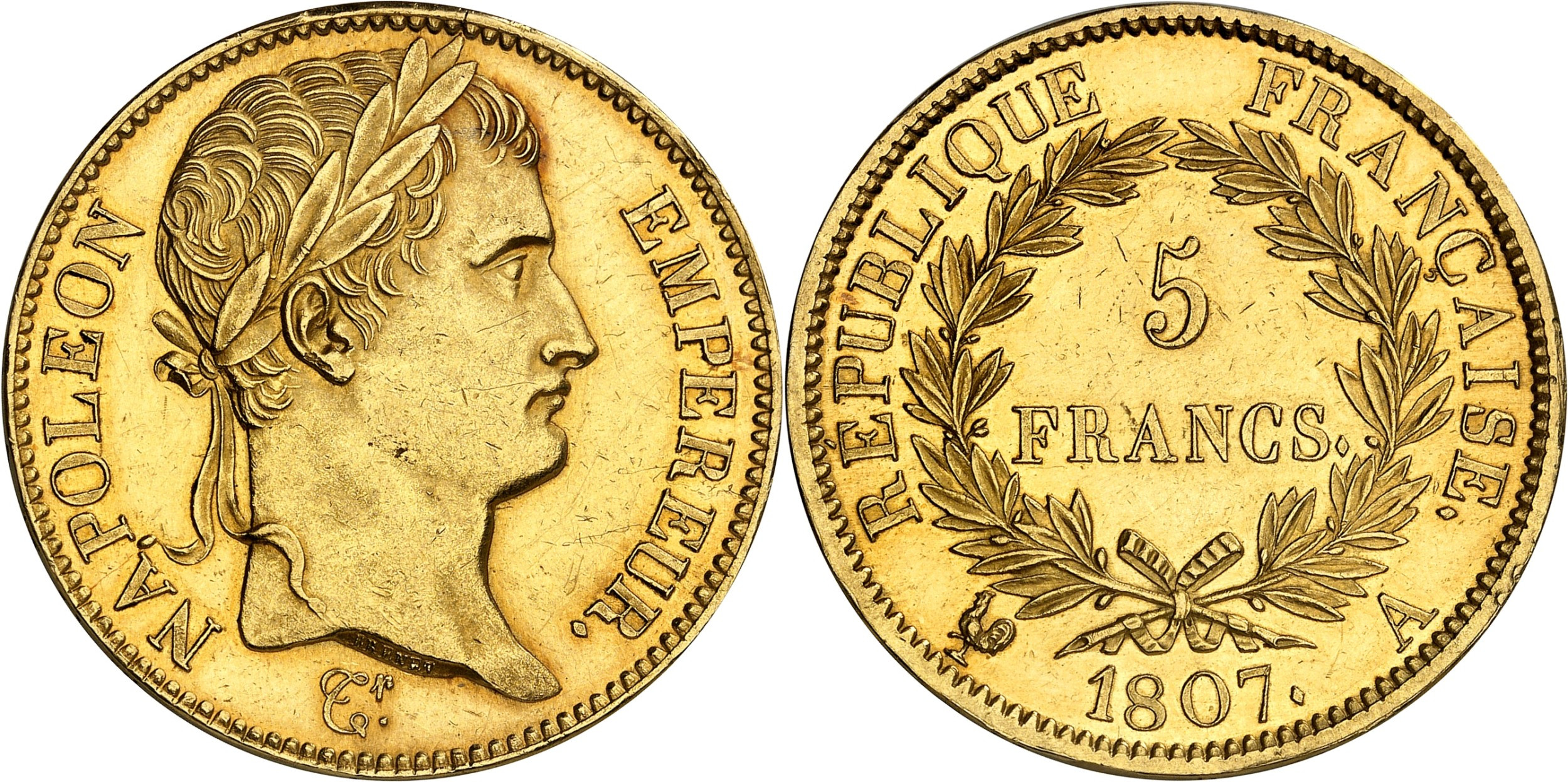
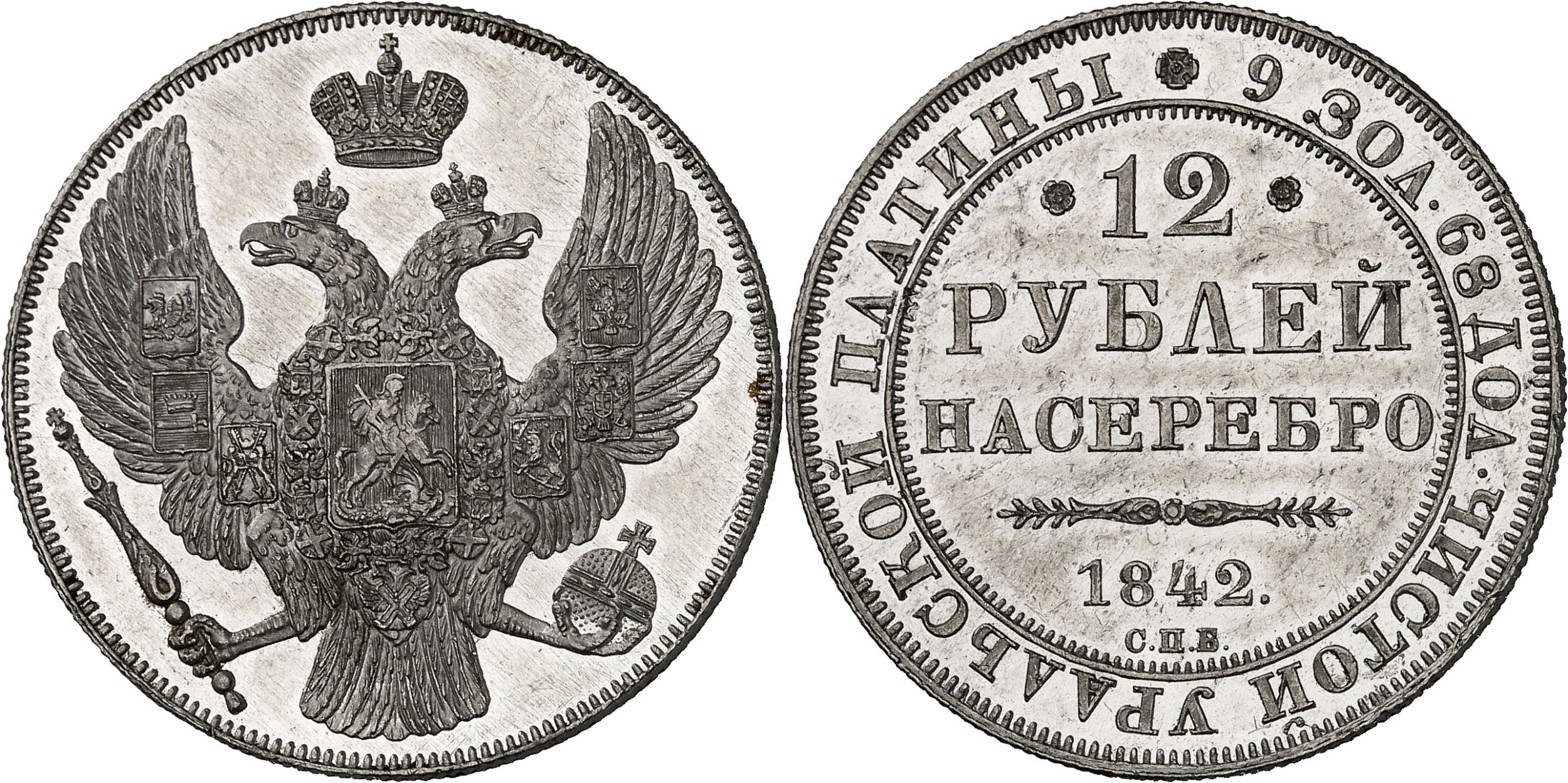
297Russia. Nicholas I, 1825–1855. Family ruble.
1 1/2 rubles (10 zlotys), 1835, St. Petersburg.
NGC MS 64 (Top Pop).
Only 36 examples struck.
A cabinet piece from polished dies.
From the estate of King Frederick William IV.
Estimate: 250.000 Euro

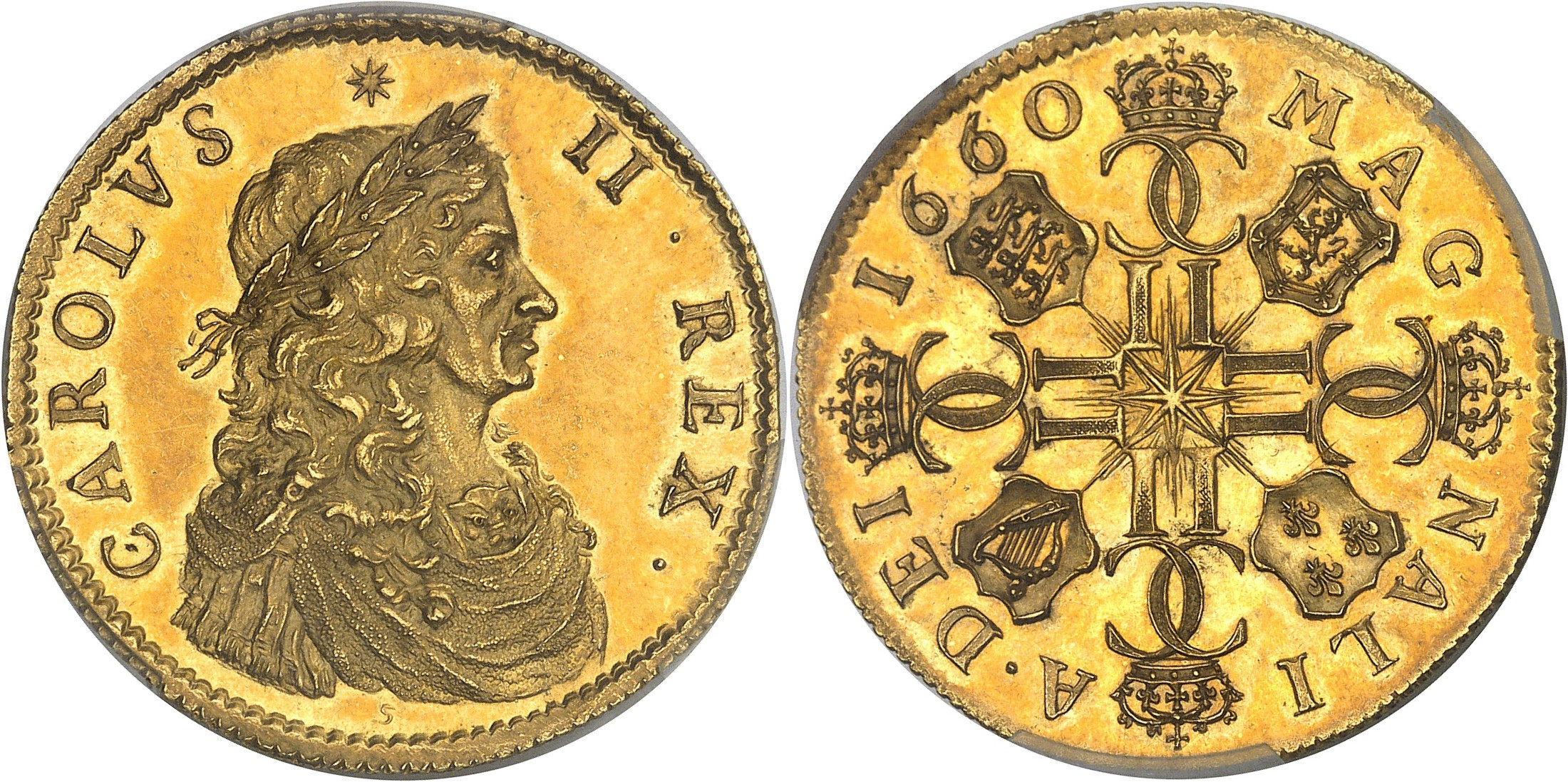
1098Holland. Province.
5 ducats, 1681.
Struck with the dies of a guilder.
NGC PF 64 Cameo.
Proof.
Estimate: 40.000 Euro

1192HRE. Ferdinand II, 1592–1618–1637.
5 ducats, 1634, Vienna.
Extremely rare.
Extremely fine-uncirculated.
Estimate: 10.000 Euro

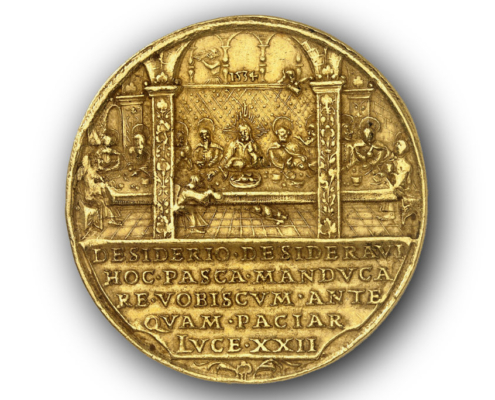
1266HRE. Vienna.
Salvator Medal in the weight of 12 ducats,
n. d.(around 1840).
NGC PF 61 CAMEO.
Proof.
Estimate: 15.000 Euro

1334City of Regensburg.
5 ducats, n. d. (1708–1710),
with the title of Joseph I. NGC MS 64.
Extremely rare. According to mint records,
only 7 copies struck.
A magnificent piece.
Estimate: 25.000 Euro

1602German New Guinea.
10 New Guinea Marks, 1895 A.
NGC MS 65.
A magnificent piece.
Estimate: 50.000 Euro

2757Saxony.
John Frederick the Magnanimous and
Maurice, 1541–1547.
Trinity Medal, 1544.
A masterpiece of German medal art. Magnificent,
excellent craftsmanship.
Estimate: 75.000 Euro

Archive: People and Markets
Interview: Are Modern Collector Coins a Sensible Investment?

It is becoming increasingly popular to buy coins as a form of investment, but this can be risky if the buyer lacks the necessary expertise. We spoke to someone who really knows their stuff: Dirk Wasserthal, Managing Director of RareCoin.Store and expert in rarities of modern numismatics, tells us what to look out for.

Coin of the Year: Surprising Picks and Standout Themes from the Oscars of Numismatics

Every year, collectors around the world eagerly await the nominations for the Coin of the Year (COTY) Award, which honors the most outstanding coin issues from across the globe.

Der Palazzo del Collegio Romano in Rom ist der Dienstsitz des Italienischen Kulturministeriums. Dessen Rechtsabteilung hat jetzt eine Stellungnahme abgegeben zur Frage, unter welchen Auflagen Münzen nach Italien eingeführt werden dürfen. Foto: Lalupa / CC BY-SA 3.0)

Legal Statement Issued on Italy’s Import Requirements for Coins

Italy requires such extensive documentation for the import of coins that many dealers prefer to avoid the country. But now, the Ministry of Culture in Rome has issued a legal statement that deserves some attention.

The new special exhibition is dedicated to the art market. Image: Swiss Finance Museum.

“art.power(s).wealth” – New Special Exhibition at the Swiss Finance Museum

The new special exhibition “art.power(s).wealth” at the Swiss Finance Museum wants to show how the art market works and what parallels there are with the financial market.

Archive: Coins, Medals and more

Einer der Höhepunkte von Künker Auktion 395 ist eine spektakuläre Goldmedaille zu 110 Dukaten, die aus dem persönlichen Besitz von Fürst Ferdinand I. von Bulgarien stammt. Diese Medaille führt uns mitten hinein in eine Zeit, in der Bulgarien seine Wirtschaft modernisierte. Der Fürst packte dabei tatkräftig mit an. Und die Eisenbahn spielte dabei eine zentrale Rolle.

Bulgaria, Prince Ferdinand I and the Railroad

One of the highlights of Künker’s auction 395 is a spectacular gold medal with a weight of 110 ductats. It was the personal property of Prince Ferdinand I. of Bulgaria. This medal takes us back into a period when Bulgaria modernized its economy. And the railroad system played a major role in this.

Silver for Württemberg

In the early modern period, much of the Black Forest, an idyllic mountain range in southwestern Germany, was a booming industrial center. A major part of the silver used to mint Württemberg coins came from this region. The Heinz-Falk Gaiser Collection, on offer at Künker on 23 September 2024, includes many coins made from Black Forest silver.
Search Search