







Archive: People and Markets
Further Recoveries of British Museum Objects
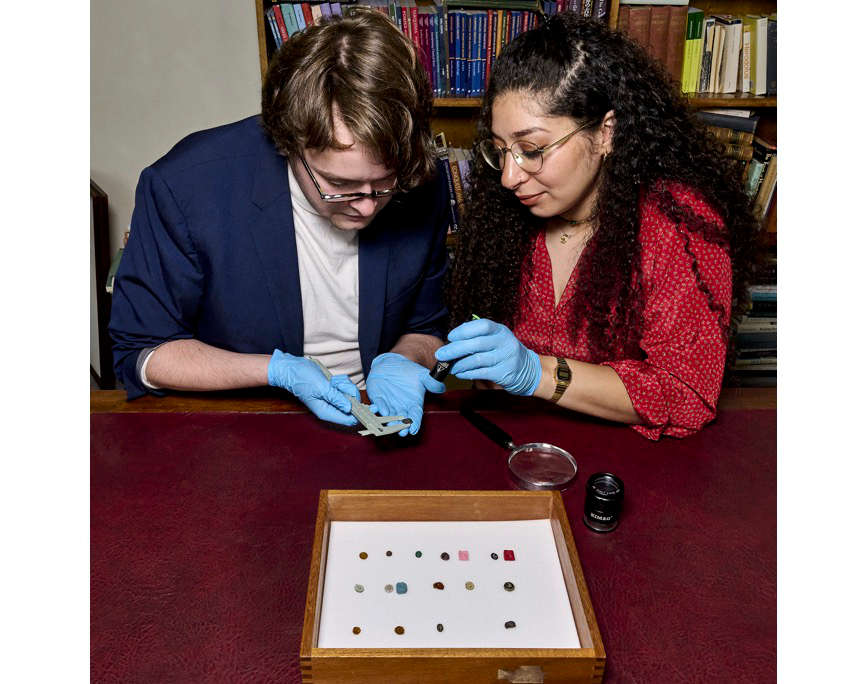
The British Museum has announced the return of a further 268 missing objects, taking the total number of recovered items to 626. The museum also confirmed that it is currently working on new leads for around 100 additional objects.

Is the EU Sleepwalking Into an Art Market Nightmare?
Enforcement of import licensing for cultural goods is just two years away, but many serious questions remain over what will happen. A detailed insight into a complicated matter.
Archive: Coins, Medals and more
 https://new.coinsweekly.com/wp-content/uploads/2023/06/CoCo05_15.jpg
534
1000
Ursula Kampmann
https://new.coinsweekly.com/wp-content/uploads/2023/01/logo-coinsweekly_590x204.png
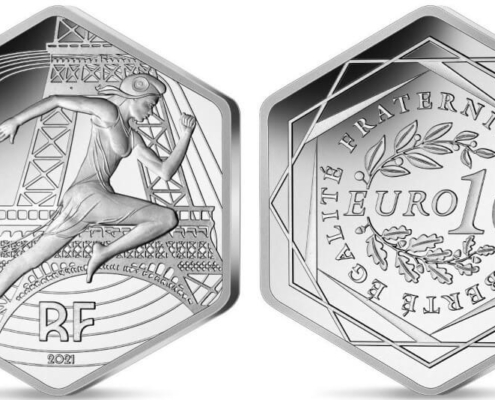
Ursula Kampmann2022-06-13 09:54:432023-06-27 10:33:10The French Marianne I: Marianne as a Representative of the French People – Part 2
https://new.coinsweekly.com/wp-content/uploads/2023/06/CoCo05_15.jpg
534
1000
Ursula Kampmann
https://new.coinsweekly.com/wp-content/uploads/2023/01/logo-coinsweekly_590x204.png
Ursula Kampmann2022-06-13 09:54:432023-06-27 10:33:10The French Marianne I: Marianne as a Representative of the French People – Part 2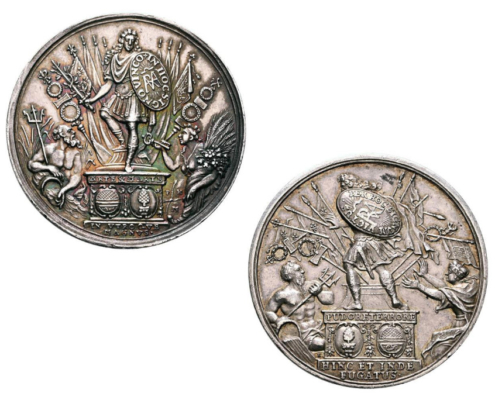 https://new.coinsweekly.com/wp-content/uploads/2025/05/2025KW20HA02_00.jpg
684
860
Lucie Loechel
https://new.coinsweekly.com/wp-content/uploads/2023/01/logo-coinsweekly_590x204.png
Lucie Loechel2025-05-15 10:14:562025-05-15 10:14:56Between Triumph and Tragedy – Maximilian II Emanuel, “The Prince of Bankrupts”
https://new.coinsweekly.com/wp-content/uploads/2025/05/2025KW20HA02_00.jpg
684
860
Lucie Loechel
https://new.coinsweekly.com/wp-content/uploads/2023/01/logo-coinsweekly_590x204.png
Lucie Loechel2025-05-15 10:14:562025-05-15 10:14:56Between Triumph and Tragedy – Maximilian II Emanuel, “The Prince of Bankrupts”
The Rhone Glacier Concludes the Swiss Glaciers Trilogy
With its new “Rhone glacier” coin, Swissmint pays tribute to the approximately 10-kilometer-long ice field that has been a popular tourist attraction in Switzerland since the 19th century. This coin marks the end of the “Swiss Glaciers” series.
£50,000 Reward for Clues on Stolen Scottish Coin Collection
Until today, the 2007 theft of the Lord Stewartby Collection, one of the finest private collections of Scottish coins, remains unsolved. Crimestoppers and the Hunterian Museum in Glasgow are now offering up to £50,000 for information leading to the conviction of those involved.