







Archive: People and Markets
Goetz-Ulf Jungmichel Elected as Associate Member of the Board of the Berufsverband des Deutschen Münzenfachhandels e.V
The Berufsverband des Deutschen Münzfachhandels e.V. recently held its board elections and made important personnel decisions.
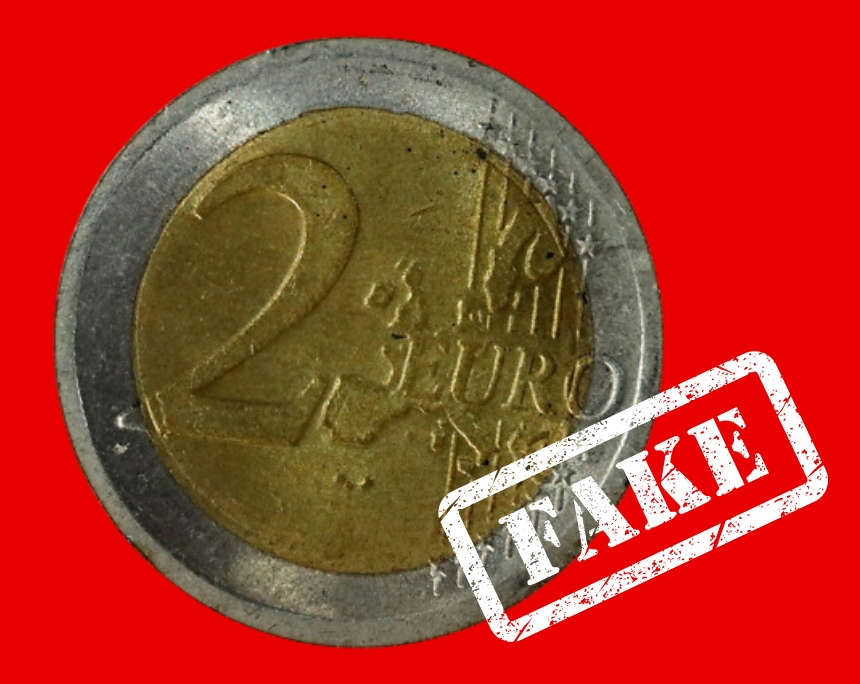
Euro Counterfeits: Fraudsters Increasingly Target Commemorative Coins
The number of counterfeit euro coins surged dramatically in 2023, with €2 coins—particularly commemorative issues—being the primary targets. Counterfeiters are employing increasingly sophisticated techniques, while investigators are analysing new varieties to track down illegal minting operations.
Archive: Coins, Medals and more
 https://new.coinsweekly.com/wp-content/uploads/2023/12/2023KW50HA_00B.jpg
684
860
Ursula Kampmann
https://new.coinsweekly.com/wp-content/uploads/2023/01/logo-coinsweekly_590x204.png
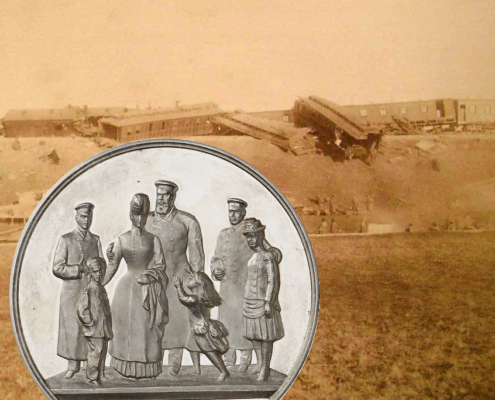
Ursula Kampmann2023-12-14 10:41:562023-12-14 10:41:56The Borki Train Disaster
https://new.coinsweekly.com/wp-content/uploads/2023/12/2023KW50HA_00B.jpg
684
860
Ursula Kampmann
https://new.coinsweekly.com/wp-content/uploads/2023/01/logo-coinsweekly_590x204.png
Ursula Kampmann2023-12-14 10:41:562023-12-14 10:41:56The Borki Train Disaster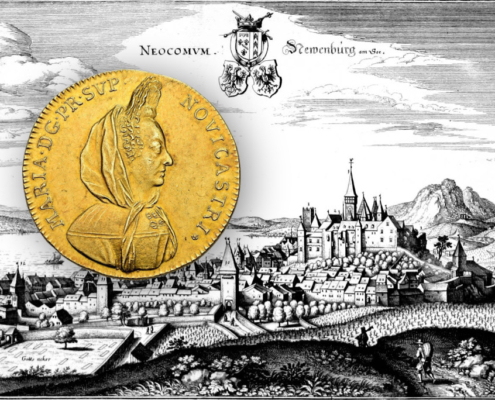 https://new.coinsweekly.com/wp-content/uploads/2024/10/2024KW41HA1_00.jpg
684
860
Lucie Loechel
https://new.coinsweekly.com/wp-content/uploads/2023/01/logo-coinsweekly_590x204.png
Lucie Loechel2024-10-10 13:41:242024-10-10 13:46:34Why Neuchâtel Is Not Part of France Today
https://new.coinsweekly.com/wp-content/uploads/2024/10/2024KW41HA1_00.jpg
684
860
Lucie Loechel
https://new.coinsweekly.com/wp-content/uploads/2023/01/logo-coinsweekly_590x204.png
Lucie Loechel2024-10-10 13:41:242024-10-10 13:46:34Why Neuchâtel Is Not Part of France Today
A New Member to Join the SINCONA Team: Michael Otto
The SINCONA team is excited to welcome a new member. As of 1 January 2025, Michael Otto is working at the SINCONA Group’s headquarters in Zurich. He is looking forward to taking over the position as Head of Numismatics.
ACCG Requests Information About Closed Roundtable Regarding Extra-Legal MOU With Yemen
Following a closed roundtable, the US State Department signed an MOU criticized for being completed without input from the Cultural Property Advisory Committee or the opportunity for public comment. Die Ancient Coin Collectors Guild (ACCG) sees an effort to stifle debate and has submitted a Freedom of Information (FOIA) request to the State Department.