






Archive: People and Markets
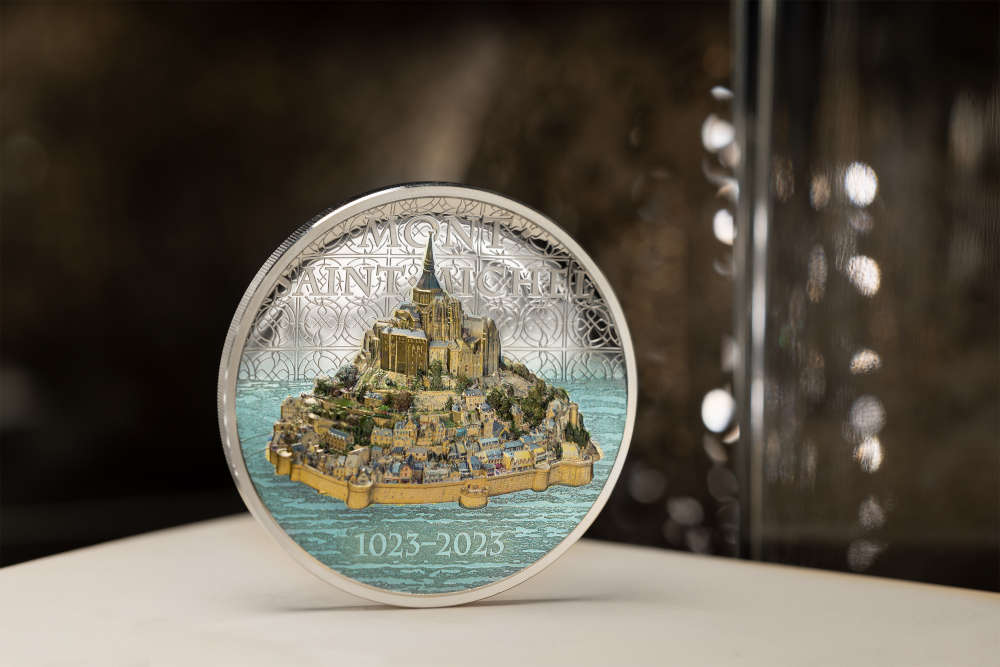
CIT’s Mont-Saint-Michel
CIT has converted the UNESCO World Heritage Site “Mont-Saint-Michel” into numismatic masterpieces: Four coins in three metals pay tribute to the impressive island with a three-dimensional relief on a deeply concave background.
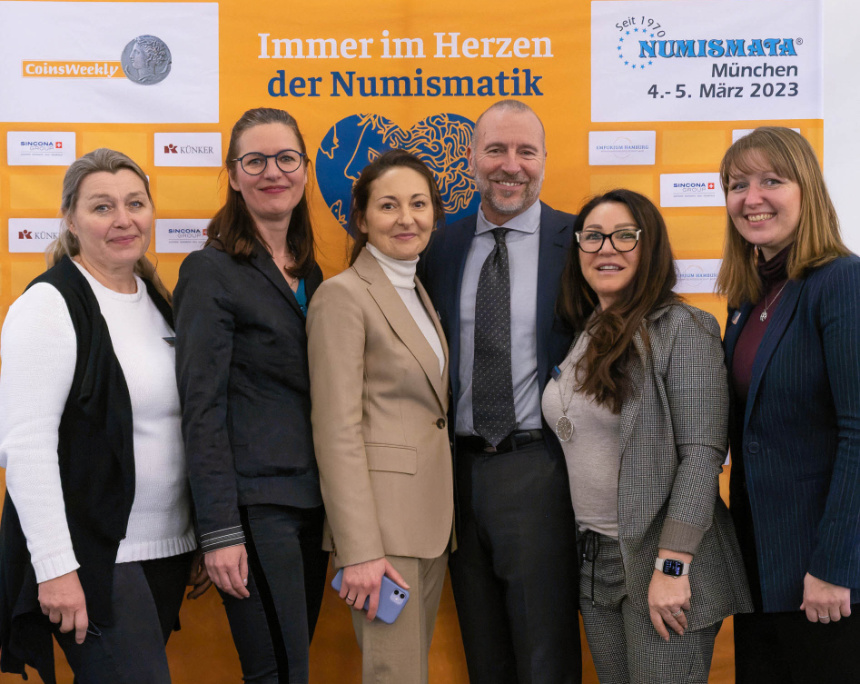
NUMISMATA Under New Management
The NUMISMATA is under new management, as announced on the coin show’s website. Former staff members will take over the organization under the name EMZ Messeveranstaltungs UG. The NUMISMATA in Berlin will also take place again in 2025.
Archive: Coins, Medals and more
 https://new.coinsweekly.com/wp-content/uploads/2023/06/00_Value_of_coins.jpg
750
1000
Bruno
https://new.coinsweekly.com/wp-content/uploads/2023/01/logo-coinsweekly_590x204.png
Bruno2022-06-13 10:56:082023-06-27 11:29:37Planchet Error, Overstrike, Double-Strike, Etc.: Which Errors Affect the Price of a Coin? – Part 1
https://new.coinsweekly.com/wp-content/uploads/2023/06/00_Value_of_coins.jpg
750
1000
Bruno
https://new.coinsweekly.com/wp-content/uploads/2023/01/logo-coinsweekly_590x204.png
Bruno2022-06-13 10:56:082023-06-27 11:29:37Planchet Error, Overstrike, Double-Strike, Etc.: Which Errors Affect the Price of a Coin? – Part 1 https://new.coinsweekly.com/wp-content/uploads/2025/06/00-5.jpg
684
860
Lucie Loechel
https://new.coinsweekly.com/wp-content/uploads/2023/01/logo-coinsweekly_590x204.png
Lucie Loechel2025-06-05 08:00:262025-06-05 08:29:19Farewell to the Penny: (No) Impact on Numismatics?
https://new.coinsweekly.com/wp-content/uploads/2025/06/00-5.jpg
684
860
Lucie Loechel
https://new.coinsweekly.com/wp-content/uploads/2023/01/logo-coinsweekly_590x204.png
Lucie Loechel2025-06-05 08:00:262025-06-05 08:29:19Farewell to the Penny: (No) Impact on Numismatics?
Access to Cash Becoming More Difficult: Bundesbank Sees Growing Challenges
Despite declining numbers of ATMs and bank branches, the Bundesbank currently still considers access to cash in Germany to be secure. However, in its March 2025 monthly report, it warns of clear downward trends.
Numisstaxx: The Launch of a New Innovative Platform
The new platform Numisstaxx aims to allow its users to easily digitalize and share coins and create certificates of authenticity in a forgery-proof environment.