






Archive: People and Markets
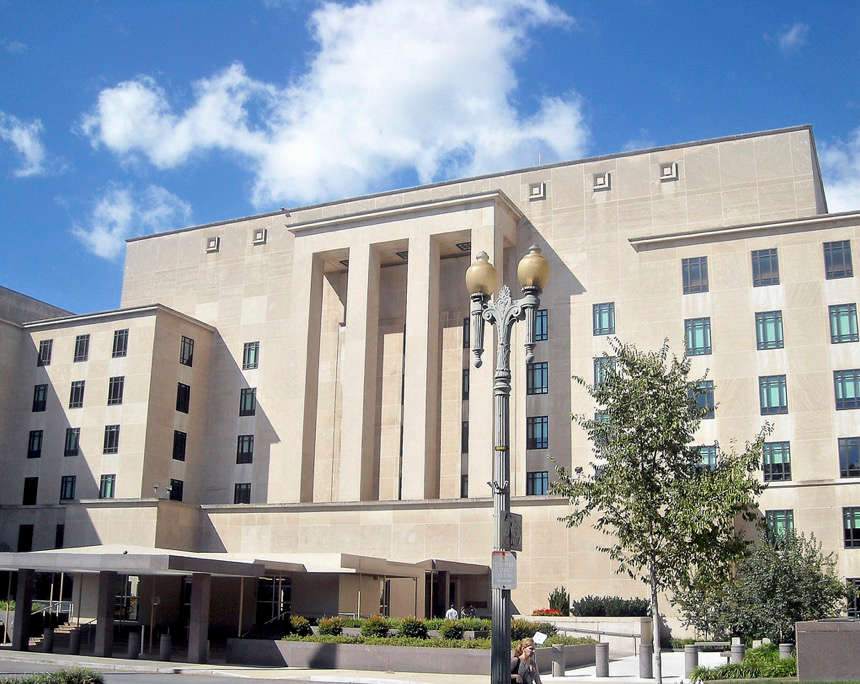
Your Tax Dollars at Work
Is the State Department funding a crusade against private ownership of cultural goods in the U.S.? Peter Tompa explains how taxpayer money was used to justify cultural property Memorandums of Understanding (MOUs) or “emergency import restrictions.”
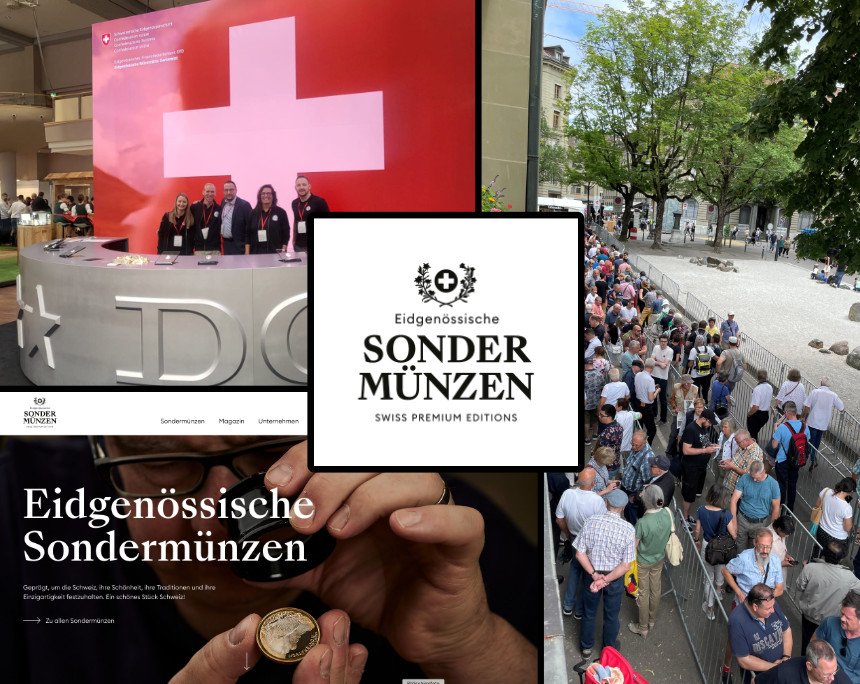
There’s a Lot Going on at Swissmint!
A new website, a new online shop, a new layout for its customer magazine – these are just some of the innovations Swissmint has in store for us. The mint has changed profoundly over the past two years. Ursula Kampmann explains how.
Archive: Coins, Medals and more
 https://new.coinsweekly.com/wp-content/uploads/2025/05/2025KW22HA01_00.jpg
684
860
Lucie Loechel
https://new.coinsweekly.com/wp-content/uploads/2023/01/logo-coinsweekly_590x204.png
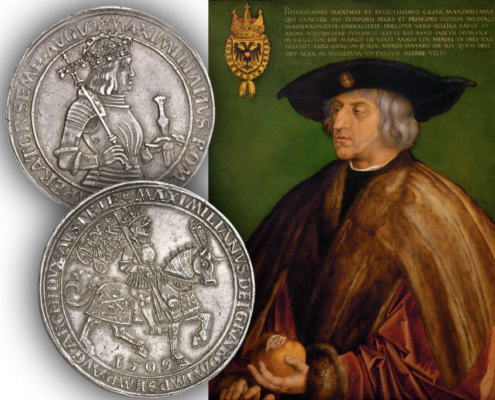
Lucie Loechel2025-05-28 10:29:402025-05-28 10:29:40Maximilian: The Last Knight and / or a Bankrupt
https://new.coinsweekly.com/wp-content/uploads/2025/05/2025KW22HA01_00.jpg
684
860
Lucie Loechel
https://new.coinsweekly.com/wp-content/uploads/2023/01/logo-coinsweekly_590x204.png
Lucie Loechel2025-05-28 10:29:402025-05-28 10:29:40Maximilian: The Last Knight and / or a Bankrupt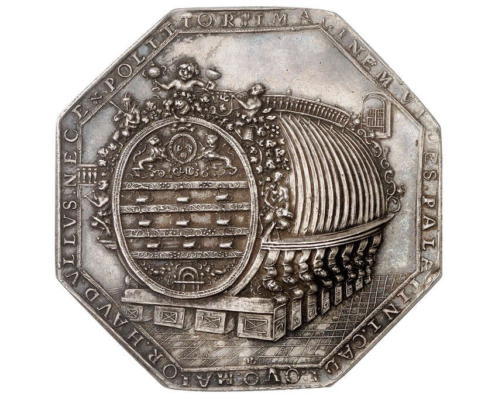 https://new.coinsweekly.com/wp-content/uploads/2023/08/2023KW35HA_00.jpg
684
860
Ursula Kampmann
https://new.coinsweekly.com/wp-content/uploads/2023/01/logo-coinsweekly_590x204.png
Ursula Kampmann2023-08-31 08:53:232023-08-31 11:47:37The Heidelberg Tun and Early Modern Winemaking
https://new.coinsweekly.com/wp-content/uploads/2023/08/2023KW35HA_00.jpg
684
860
Ursula Kampmann
https://new.coinsweekly.com/wp-content/uploads/2023/01/logo-coinsweekly_590x204.png
Ursula Kampmann2023-08-31 08:53:232023-08-31 11:47:37The Heidelberg Tun and Early Modern Winemaking
Numismatics for the Ears: The Royal Mint Museum Explores Britain’s Seafaring History in New Podcast
The Royal Mint Museum has launched its first-ever podcast series, called “Coins and the Sea.” The podcast is part of a wider project, which includes a temporary exhibition at The Royal Mint Experience.
Die Study of the Yehud Coinage
The Israel Numismatic Society published a book on provincial silver coinage of Judah in the late Persian, Macedonian, and early Hellenistic periods. Haim Gitler, Catharine Lorber and Jean-Philippe Fontanille presented their die study recently in Jerusalem.