








Archive: People and Markets
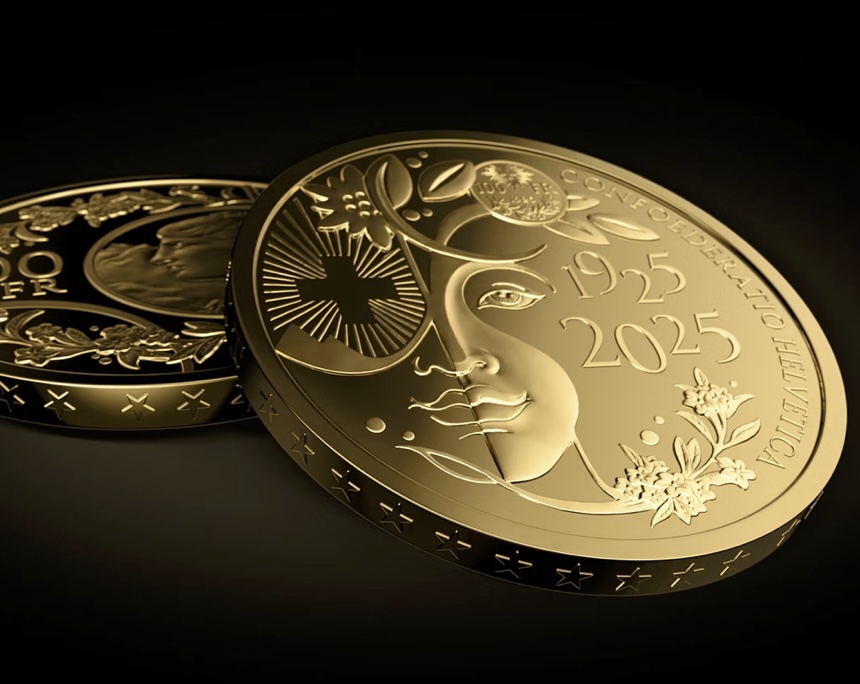
Exclusive Presentation of the Latest Commemorative Coin: The 100-Franc Gold Vreneli Returns After 100 Years
At the World Money Fair, Swissmint unveiled its latest commemorative coin to mark a special anniversary: on 1 July 2025, the coin “100 Years of the 100-Franc Vreneli” will be released – a tribute to the original edition from 1925.
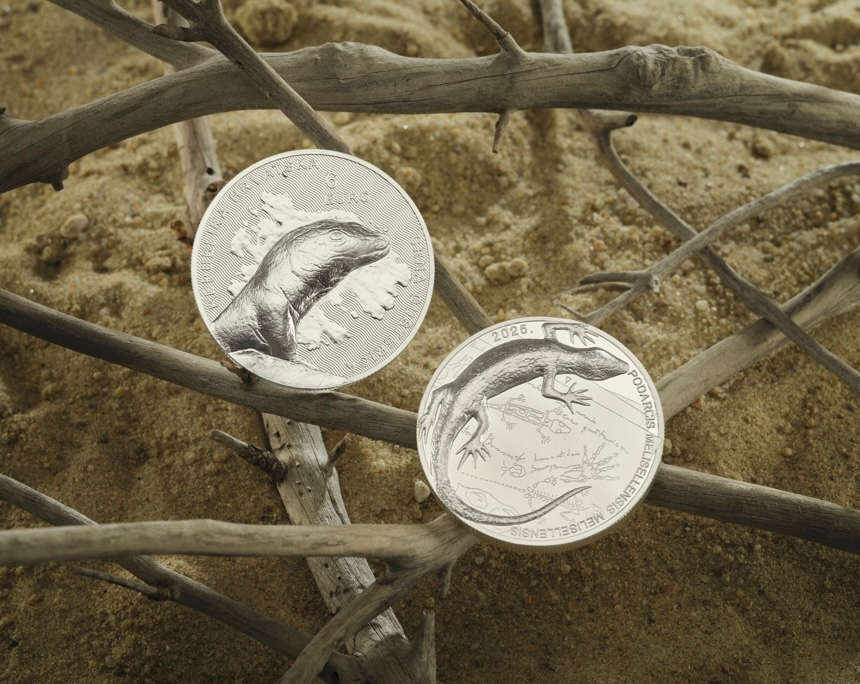
The Black Lizard from Brusnik Island in Ultra-High Relief
Croatia is home to a lizard species that would have impressed even Darvin himself: the autochthonous black lizard, found only on the island of Brusnik. On 14 March 2024, Croatia issued three collector coins in its honour. Now the fourth, a two-ounce silver version in ultra-high relief, has been released.
Archive: Coins, Medals and more
 https://new.coinsweekly.com/wp-content/uploads/2025/02/2025KW07HA01_00.jpg
684
860
Lucie Loechel
https://new.coinsweekly.com/wp-content/uploads/2023/01/logo-coinsweekly_590x204.png
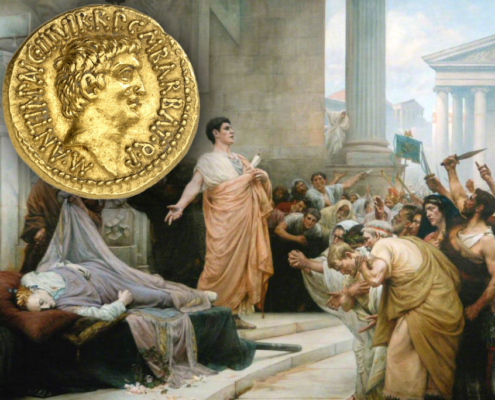
Lucie Loechel2025-02-13 09:44:362025-02-13 10:00:07Marcus Antonius: The Loser Who Did Not Write History
https://new.coinsweekly.com/wp-content/uploads/2025/02/2025KW07HA01_00.jpg
684
860
Lucie Loechel
https://new.coinsweekly.com/wp-content/uploads/2023/01/logo-coinsweekly_590x204.png
Lucie Loechel2025-02-13 09:44:362025-02-13 10:00:07Marcus Antonius: The Loser Who Did Not Write History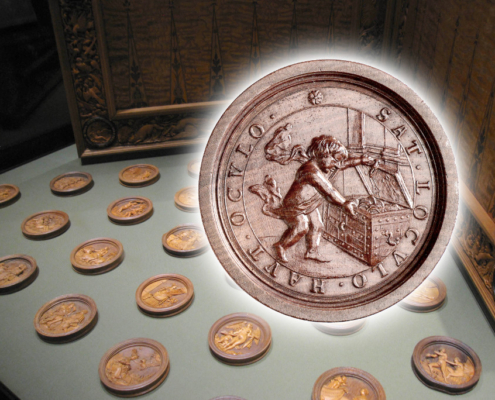 https://new.coinsweekly.com/wp-content/uploads/2025/05/2025KW20HA01_00.jpg
684
860
Lucie Loechel
https://new.coinsweekly.com/wp-content/uploads/2023/01/logo-coinsweekly_590x204.png
Lucie Loechel2025-05-15 11:34:482025-05-15 11:34:48What Do Gaming Counters Have to Do with Numismatics?
https://new.coinsweekly.com/wp-content/uploads/2025/05/2025KW20HA01_00.jpg
684
860
Lucie Loechel
https://new.coinsweekly.com/wp-content/uploads/2023/01/logo-coinsweekly_590x204.png
Lucie Loechel2025-05-15 11:34:482025-05-15 11:34:48What Do Gaming Counters Have to Do with Numismatics?
National Coin Week: Spotlight on Numismatics
The American Numismatic Association (ANA) has been organising a national week of events in honour of numismatics since 1924. The ANA presents the entire spectrum of coin collecting with playful missions for children and specialist lectures from the world of science.
Coin Dealer Robbed: Why We Lose More Than Just Money When We Are Burgled
In 2024, an English coin dealer’s home was broken into and coins worth £500,000 were stolen. Two men have now been jailed for the crime. However, this does not make everything right for the coin dealer.