






Archive: People and Markets
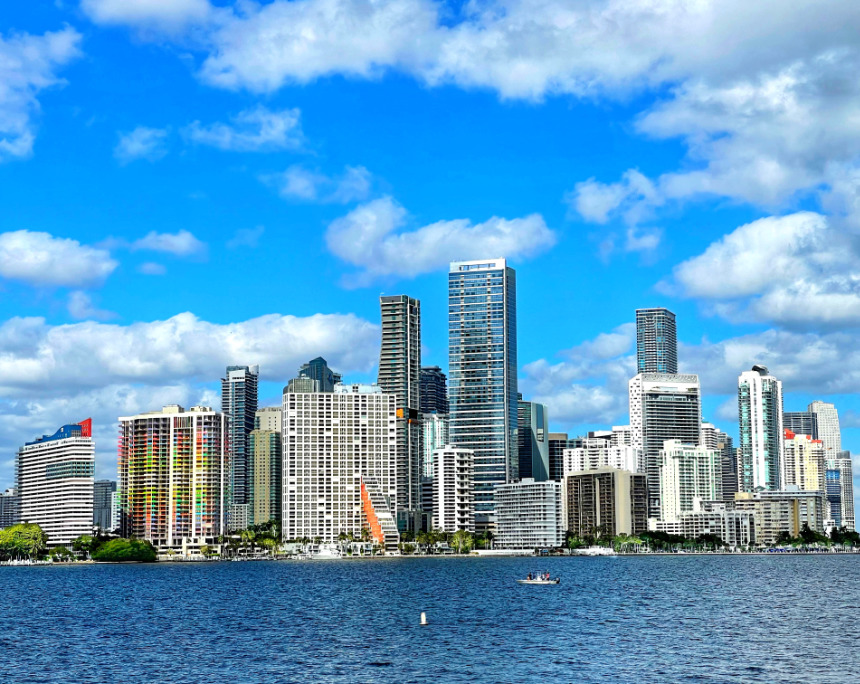
Stack’s Bowers Galleries Opens New Gallery in Miami, Florida
On the heels of their recently opened Copenhagen office, Stack’s Bowers Galleries again increases their global presence: a new rare coin gallery and showroom will soon open in the heart of Brickell, Florida, Miami’s vibrant financial district.
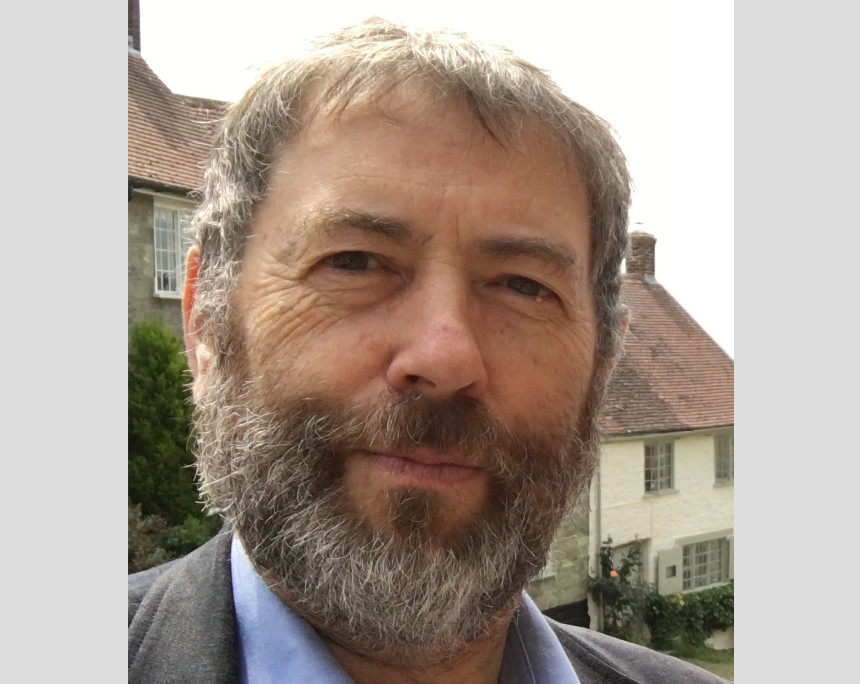
Joe Cribb is the 2023 Derek Allen Prize Winner
Joe Cribb is a well-known specialist in the monetary history of Asia. For his outstanding contribution to the discipline of numismatics, the British numismatist has been awarded the 2023 Derek Allen Prize by the British Academy.
Archive: Coins, Medals and more
 https://new.coinsweekly.com/wp-content/uploads/2025/01/2025KW02HA_00.jpg
684
860
Lucie Loechel
https://new.coinsweekly.com/wp-content/uploads/2023/01/logo-coinsweekly_590x204.png
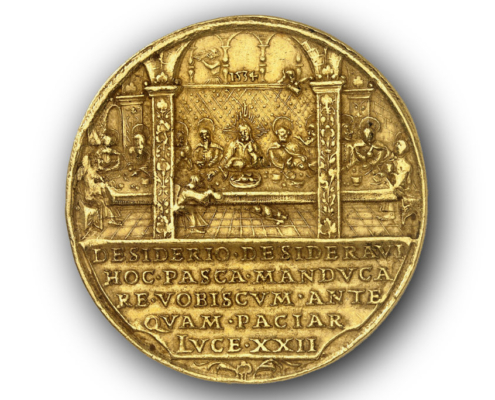
Lucie Loechel2025-01-09 10:35:332025-01-09 14:45:59Joachimsthal and the Reformation
https://new.coinsweekly.com/wp-content/uploads/2025/01/2025KW02HA_00.jpg
684
860
Lucie Loechel
https://new.coinsweekly.com/wp-content/uploads/2023/01/logo-coinsweekly_590x204.png
Lucie Loechel2025-01-09 10:35:332025-01-09 14:45:59Joachimsthal and the Reformation https://new.coinsweekly.com/wp-content/uploads/2024/07/2024KW30HA02_00.jpg
684
860
Ursula Kampmann
https://new.coinsweekly.com/wp-content/uploads/2023/01/logo-coinsweekly_590x204.png
Ursula Kampmann2024-07-25 09:30:322024-07-25 14:12:39Switzerland’s Special Coin 200 Years Swiss Shooting Sport Federation Hits the Bull’s Eye
https://new.coinsweekly.com/wp-content/uploads/2024/07/2024KW30HA02_00.jpg
684
860
Ursula Kampmann
https://new.coinsweekly.com/wp-content/uploads/2023/01/logo-coinsweekly_590x204.png
Ursula Kampmann2024-07-25 09:30:322024-07-25 14:12:39Switzerland’s Special Coin 200 Years Swiss Shooting Sport Federation Hits the Bull’s Eye
Metcalf Lecturer 2023/4: Benjamin Hellings
The Archaeological Institute of America named Benjamin Hellings this year’s Metcalf Lecturer. He is Curator of Numismatics at the Yale University Art Gallery and Chair of the AIA Numismatics Interest Group.
New Museum Management in Monaco: A Year Full of Surprises for Euro Collectors?
At first glance, it is “only” a piece of news on a new museum director – but the change at the top of the “Musée des Timbres et des Monnaies de Monaco” could herald a new era in the coin issuance policy of the Principality, which could spark discussions among collectors.