











Archive: People and Markets
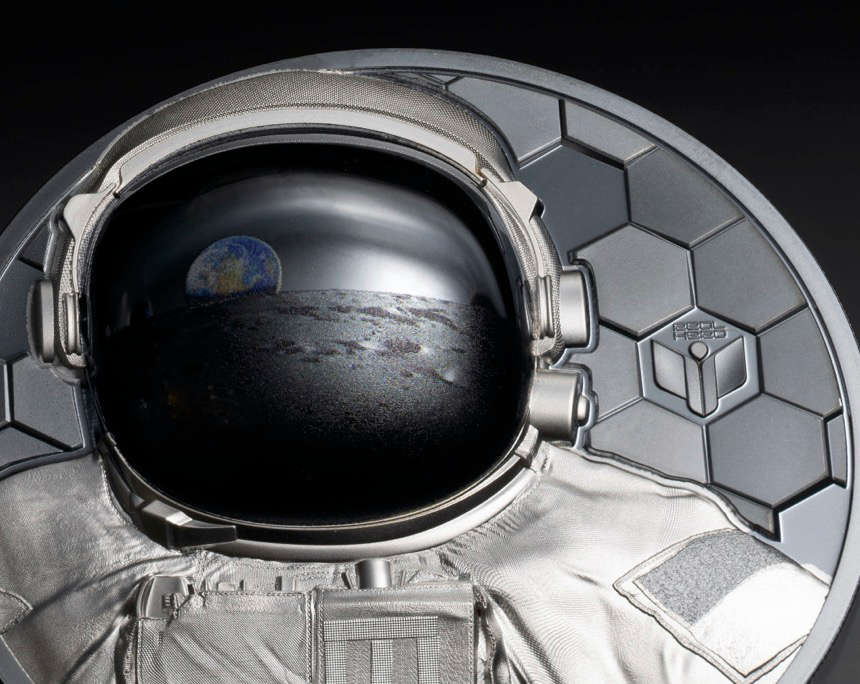
CIT: The Last Issue in the Real Heroes Series – Astronaut
With the last issue of the Real Heroes series, CIT pays tribute to the courage of astronauts. The focus is on an iconic scene that was implemented with technical perfection as a reflection in the visor of a spacesuit.
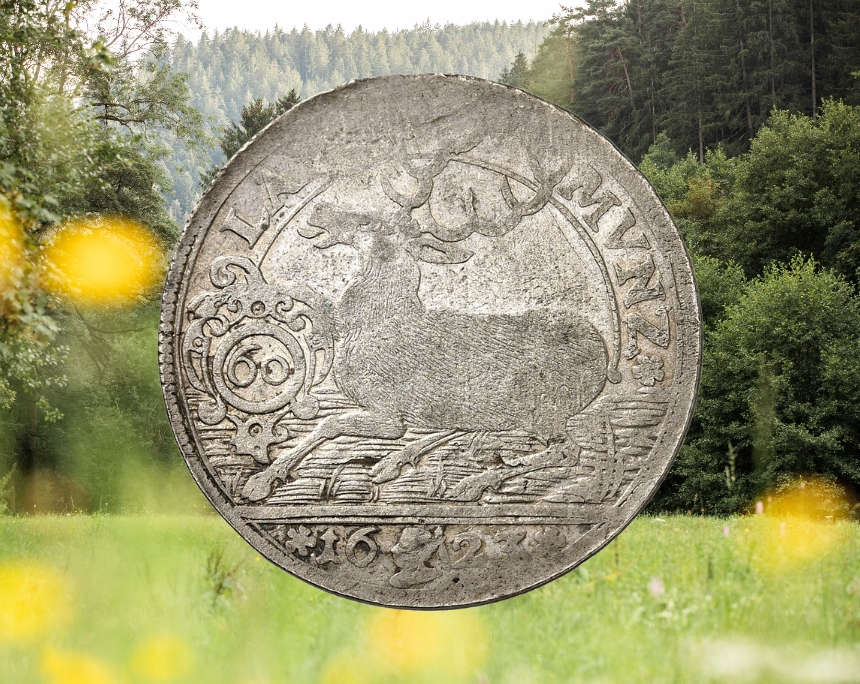
Tradition Meets Craftsmanship: Coin Minting as a Highlight of the Garden Show
When the Garden Show in Freudenstadt and Baiersbronn opens its doors in May, visitors can look forward to a special experience: a historical minting station, where they can create their own commemorative medals by hand.
Archive: Coins, Medals and more
 https://new.coinsweekly.com/wp-content/uploads/2025/02/2025KW09HA02_00.jpg
684
860
Lucie Loechel
https://new.coinsweekly.com/wp-content/uploads/2023/01/logo-coinsweekly_590x204.png
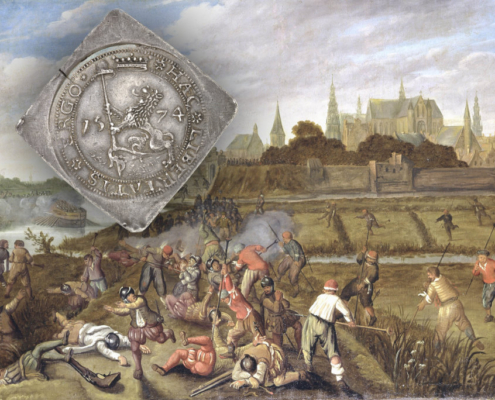
Lucie Loechel2025-02-27 10:19:482025-02-27 10:25:36The Suffering of Leiden – A Siege During the Dutch Revolt
https://new.coinsweekly.com/wp-content/uploads/2025/02/2025KW09HA02_00.jpg
684
860
Lucie Loechel
https://new.coinsweekly.com/wp-content/uploads/2023/01/logo-coinsweekly_590x204.png
Lucie Loechel2025-02-27 10:19:482025-02-27 10:25:36The Suffering of Leiden – A Siege During the Dutch Revolt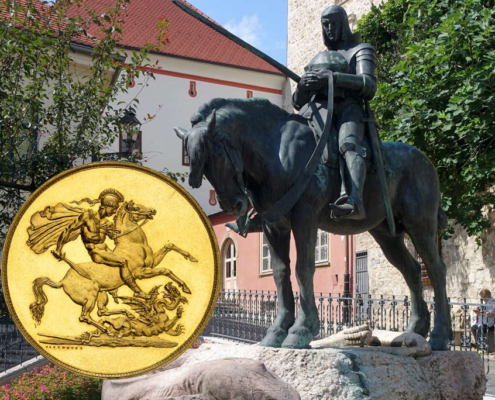 https://new.coinsweekly.com/wp-content/uploads/2024/01/2023KW03HA_00.jpg
684
860
Ursula Kampmann
https://new.coinsweekly.com/wp-content/uploads/2023/01/logo-coinsweekly_590x204.png
Ursula Kampmann2024-01-18 08:00:542024-01-18 10:35:27Why Are There So Many Coins Depicting Saint George?
https://new.coinsweekly.com/wp-content/uploads/2024/01/2023KW03HA_00.jpg
684
860
Ursula Kampmann
https://new.coinsweekly.com/wp-content/uploads/2023/01/logo-coinsweekly_590x204.png
Ursula Kampmann2024-01-18 08:00:542024-01-18 10:35:27Why Are There So Many Coins Depicting Saint George?
Vatican Plans a Comeback: New Online Shop Launches in July
This move has nothing to do with the inauguration of Pope Leo XIV but has been in preparation for months: Starting in July 2025, the Vatican will resume sales of its philatelic and numismatic products.
A New Chapter: The Foundation of a New Auction House for Numismatic Literature
A new auction house enriches the numismatic landscape: the numismatic antiquarian bookshop Numismatisches Antiquariat Lang is an auction house specializing in numismatic literature.