






Archive: People and Markets
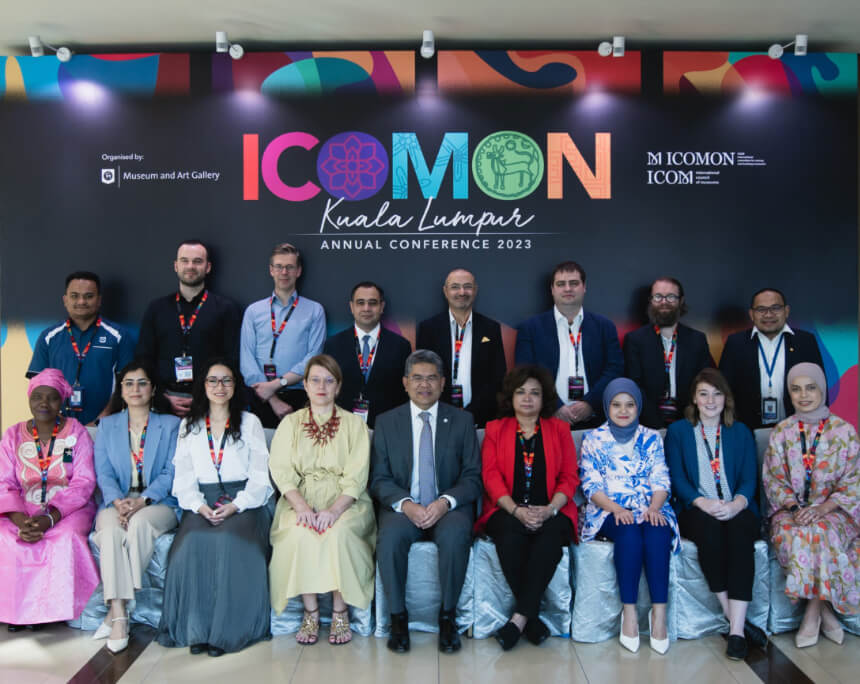
Report of the ICOMON 29th Annual Conference in Kuala Lumpur
The 2023 ICOMON conference was held in Malaysia. Read here about the program, the topics presented and discussed, and where you can watch the presentations online.
ANA eLearning Academy Now Without Access Restrictions
It is no longer necessary to be an ANA member or to log in to access the content of the American Numismatic Association’s eLearning Academy. A wealth of numismatic education opportunities is available there and easy to access.
Archive: Coins, Medals and more
 https://new.coinsweekly.com/wp-content/uploads/2023/11/2023KW46HA_00.jpg
684
860
Ursula Kampmann
https://new.coinsweekly.com/wp-content/uploads/2023/01/logo-coinsweekly_590x204.png
Ursula Kampmann2023-11-16 09:14:582023-11-16 09:23:58The First Error Coins from Croatia
https://new.coinsweekly.com/wp-content/uploads/2023/11/2023KW46HA_00.jpg
684
860
Ursula Kampmann
https://new.coinsweekly.com/wp-content/uploads/2023/01/logo-coinsweekly_590x204.png
Ursula Kampmann2023-11-16 09:14:582023-11-16 09:23:58The First Error Coins from Croatia https://new.coinsweekly.com/wp-content/uploads/2023/07/2023KW30HA_00.jpg
684
860
Ursula Kampmann
https://new.coinsweekly.com/wp-content/uploads/2023/01/logo-coinsweekly_590x204.png
Ursula Kampmann2023-07-27 09:11:342023-07-27 09:11:34French History in Coins – Part 1: Kings, Consuls and Emperors
https://new.coinsweekly.com/wp-content/uploads/2023/07/2023KW30HA_00.jpg
684
860
Ursula Kampmann
https://new.coinsweekly.com/wp-content/uploads/2023/01/logo-coinsweekly_590x204.png
Ursula Kampmann2023-07-27 09:11:342023-07-27 09:11:34French History in Coins – Part 1: Kings, Consuls and Emperors
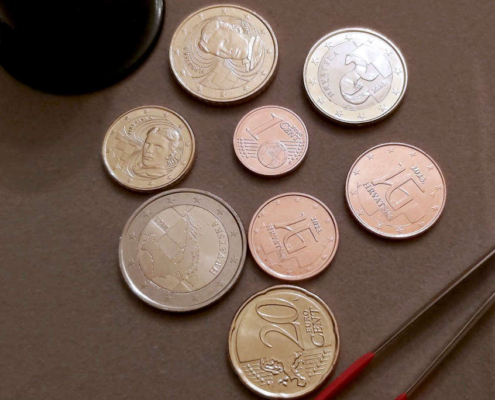
Croatian Rulers – A New Coin Series
Croatia is proud of its long and rich history. The Croatian National Bank, in cooperation with the Croatian Mint, is dedicating a new coin series for collectors to their country’s history, focusing on Croatia’s rulers. The first King of Croatia was King Tomislav, who is depicted on the first coin in this series.
Panticapaeum Stater Most Expensive Ancient Coin
A gold stater from the city of Panticapaeum is currently the most expensive ancient coin ever sold at auction. In May 2023, it was sold by Numismatica Ars Classica in Switzerland for the record sum of 5,390,000 CHF or ca. $6 million.