









Archive: People and Markets

Numismata: The Coin Show with a Special Flair
From 2 to 3 March 2024, the internationally renowned Numismata will be held in Munich. Angela Modes invites collectors and coin dealers from all over the world to experience the wide range of offers at the show.
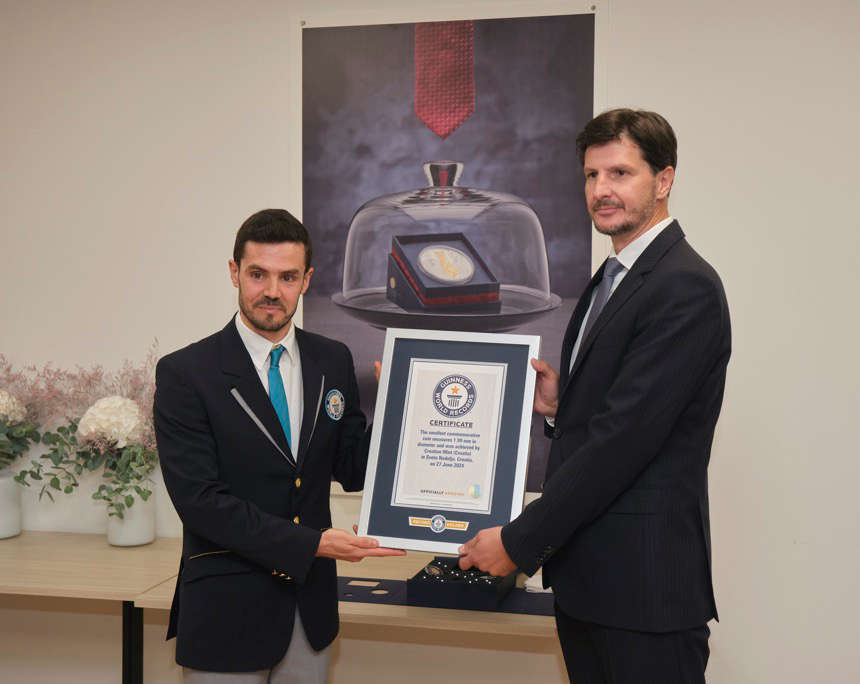
The World’s Smallest Coin
Now it is official: Croatia’s 1-kuna coin dedicated to the town of Hum holds the Guinness World Record as the world’s smallest coin!
Archive: Coins, Medals and more
 https://new.coinsweekly.com/wp-content/uploads/2025/01/2025KW05HA01_00.jpg
684
860
Lucie Loechel
https://new.coinsweekly.com/wp-content/uploads/2023/01/logo-coinsweekly_590x204.png
Lucie Loechel2025-01-29 10:30:092025-01-30 07:13:21Record! South African Rarity Leaves All Previous Top Prices Far Behind
https://new.coinsweekly.com/wp-content/uploads/2025/01/2025KW05HA01_00.jpg
684
860
Lucie Loechel
https://new.coinsweekly.com/wp-content/uploads/2023/01/logo-coinsweekly_590x204.png
Lucie Loechel2025-01-29 10:30:092025-01-30 07:13:21Record! South African Rarity Leaves All Previous Top Prices Far Behind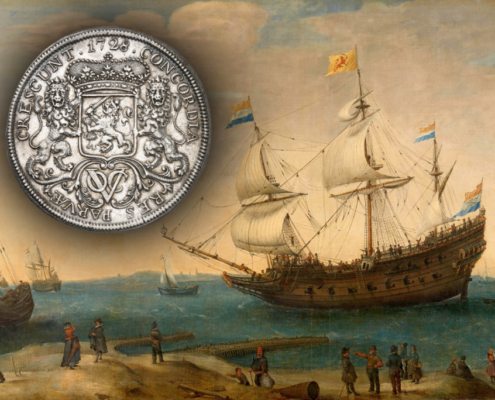 https://new.coinsweekly.com/wp-content/uploads/2025/02/2025KW09HA01_00.jpg
684
860
Lucie Loechel
https://new.coinsweekly.com/wp-content/uploads/2023/01/logo-coinsweekly_590x204.png
Lucie Loechel2025-02-27 10:27:202025-02-27 12:01:04VOC: The Other Side of the Dutch Golden Age
https://new.coinsweekly.com/wp-content/uploads/2025/02/2025KW09HA01_00.jpg
684
860
Lucie Loechel
https://new.coinsweekly.com/wp-content/uploads/2023/01/logo-coinsweekly_590x204.png
Lucie Loechel2025-02-27 10:27:202025-02-27 12:01:04VOC: The Other Side of the Dutch Golden Age
The World’s Smallest Coin
Now it is official: Croatia’s 1-kuna coin dedicated to the town of Hum holds the Guinness World Record as the world’s smallest coin!
Archaeologists in Awe at the Sight of Sardinia’s Folles Hoard
Italian archaeologists are calling it one of the most important finds in recent years: up to 50,000 bronze coins dating from the 4th century have been discovered off the Sardinian coast. Apart from the outstanding size of this hoard, the coins’ condition is also astonishing.