







Archive: People and Markets
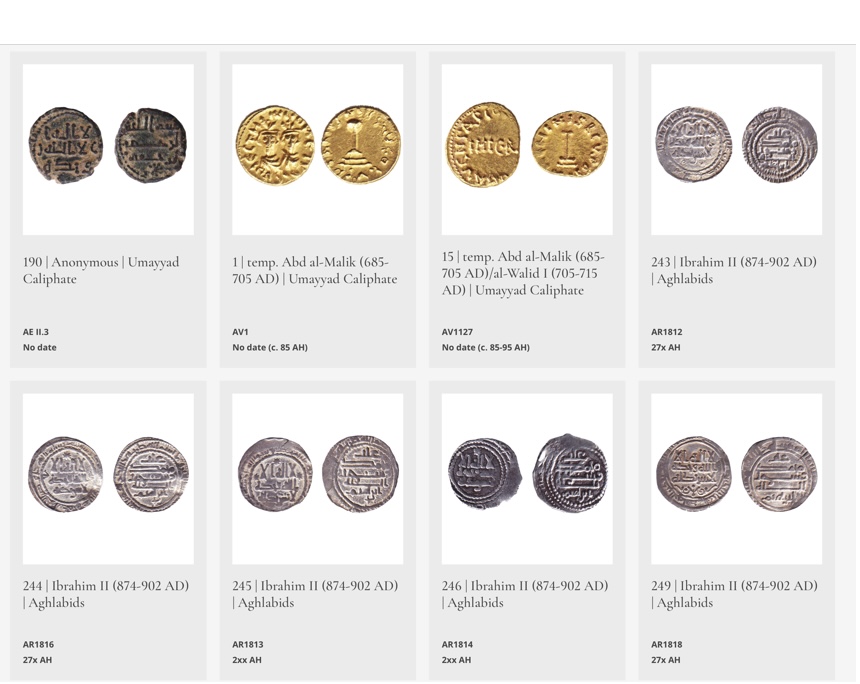
The Nasser D. Khalili Collection of Islamic Coins: Now Available Online
The Khalili Collections are in the process of digitizing the Nasser D. Khalili Collection of Islamic coins, one of the largest private collections in this field. Over the next two years, around 13,000 coins will be made available on the official website, which already features 2,280 coins.
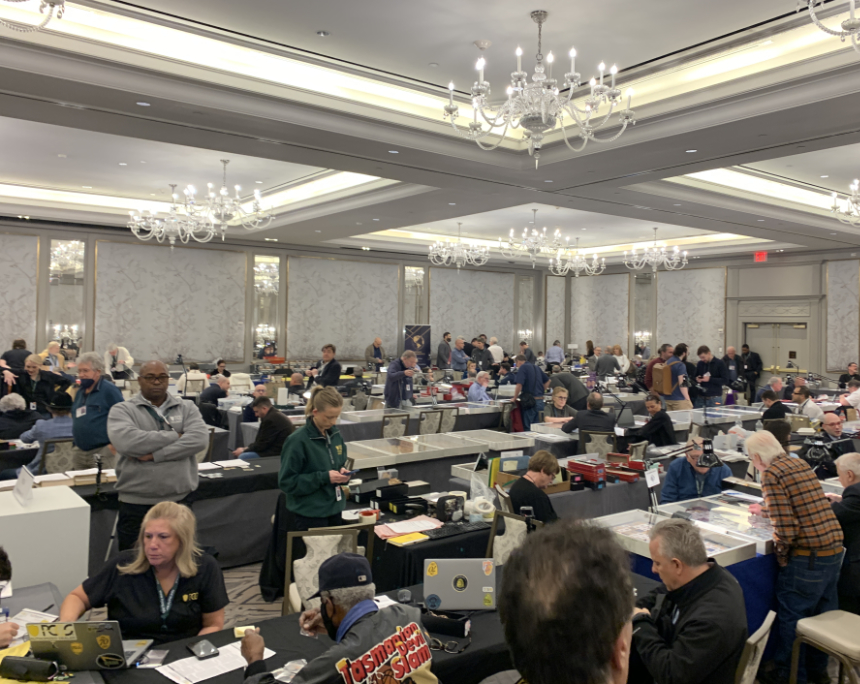
Classical Numismatics Gets Off to a Great Start to 2024 in New York
The 52nd New York International Numismatic Convention was held from 12 to 14 January at the InterContinental New York Barclay Hotel. All the “sold” signs on the dealers’ tables clearly show that classical numismatics is still in high demand.
Archive: Coins, Medals and more
 https://new.coinsweekly.com/wp-content/uploads/2024/10/2024KW44HA_00.jpg
684
860
Lucie Loechel
https://new.coinsweekly.com/wp-content/uploads/2023/01/logo-coinsweekly_590x204.png
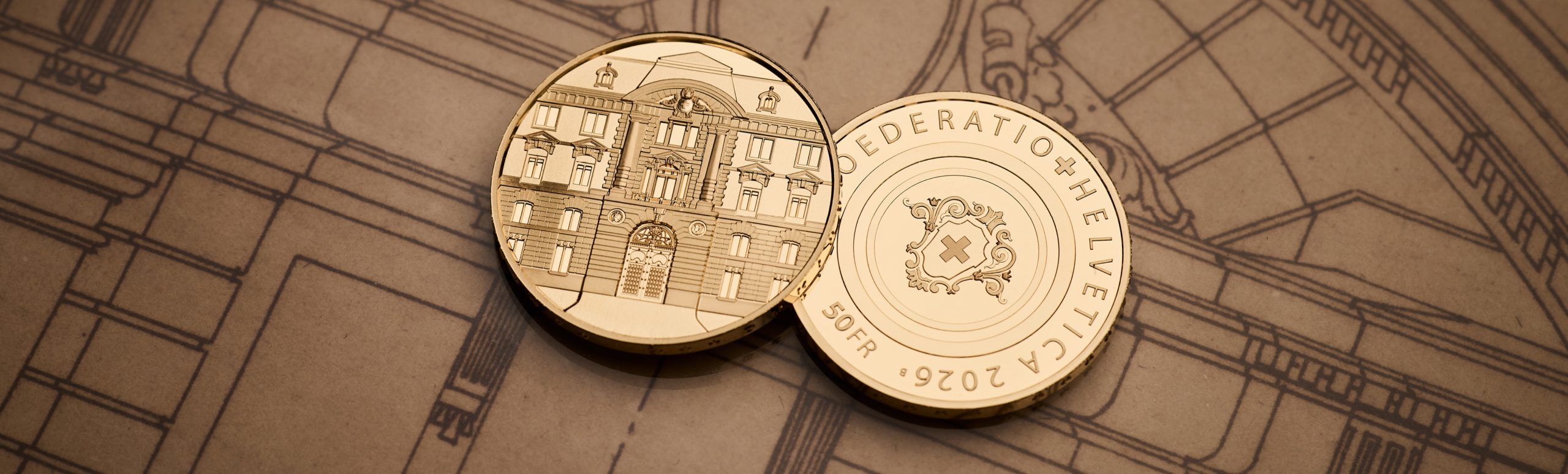
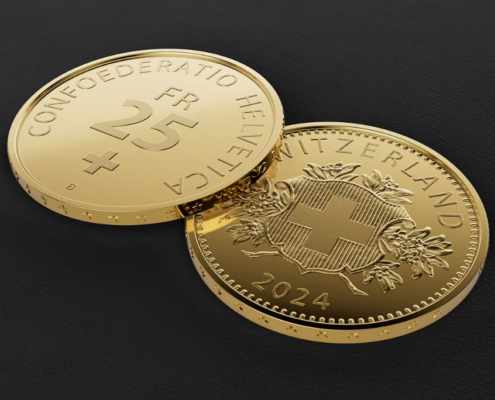
Lucie Loechel2024-10-30 11:12:142024-10-30 11:12:1425 Francs in Gold: Swissmint’s New Gold Coin
https://new.coinsweekly.com/wp-content/uploads/2024/10/2024KW44HA_00.jpg
684
860
Lucie Loechel
https://new.coinsweekly.com/wp-content/uploads/2023/01/logo-coinsweekly_590x204.png
Lucie Loechel2024-10-30 11:12:142024-10-30 11:12:1425 Francs in Gold: Swissmint’s New Gold Coin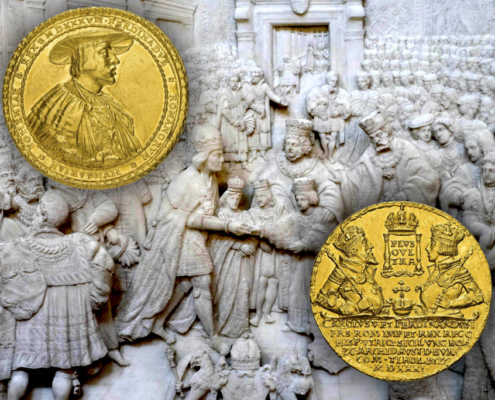 https://new.coinsweekly.com/wp-content/uploads/2024/04/2024KW16HA_00.jpg
684
860
Ursula Kampmann
https://new.coinsweekly.com/wp-content/uploads/2023/01/logo-coinsweekly_590x204.png
Ursula Kampmann2024-04-18 10:26:522024-04-18 10:26:52The Turks, the Bohemian Estates and Two Gnadenpfennigs by Ferdinand I
https://new.coinsweekly.com/wp-content/uploads/2024/04/2024KW16HA_00.jpg
684
860
Ursula Kampmann
https://new.coinsweekly.com/wp-content/uploads/2023/01/logo-coinsweekly_590x204.png
Ursula Kampmann2024-04-18 10:26:522024-04-18 10:26:52The Turks, the Bohemian Estates and Two Gnadenpfennigs by Ferdinand I
The Fight for Collector’s Rights: An Interview With Ursula Kampmann
For his passionately run “Numischannel” on YouTube, Argentine numismatist Damian Salgado conducted an interview with Ursula Kampmann. Among other things, they talked about private collecting, the rights of collectors and the fight against unfair legislation worldwide. Take a look!
Voting for the Best Latvian Collector Coin of 2024 is Open
From 24 March to 6 April 2025, Latvijas Banka, in cooperation with the news portal Delfi, organises the traditional public vote “Latvia’s Coin of the Year 2024”. This vote will, for the 21st time, determine the public’s favourite collector coin issued during the previous year.