











Archive: People and Markets

Peter Ilisch (1947–2023)
Peter Ilisch passed away on 29 May 2023. The former curator in Münster specialised in medieval and early modern Westphalia. As an obituary, we publish the speech of Stefan Kötz, who paid tribute to his predecessor in office at the funeral service.
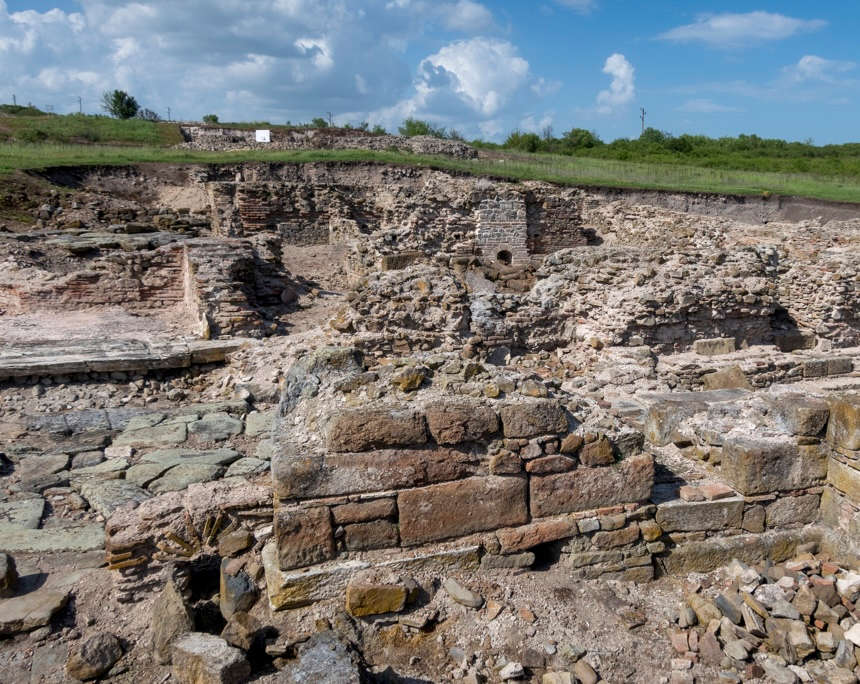
The Second Sofia Numismatic School
Students who wish to deepen their knowledge of ancient numismatics can now apply for the Sofia Numismatic School. It will take place in September 2025 at the Archaeological Research Base of the Roman Colony of Deultum (near Burgas).
Archive: Coins, Medals and more
 https://new.coinsweekly.com/wp-content/uploads/2023/06/2023KW23HA00.jpg
500
1000
Bruno
https://new.coinsweekly.com/wp-content/uploads/2023/01/logo-coinsweekly_590x204.png
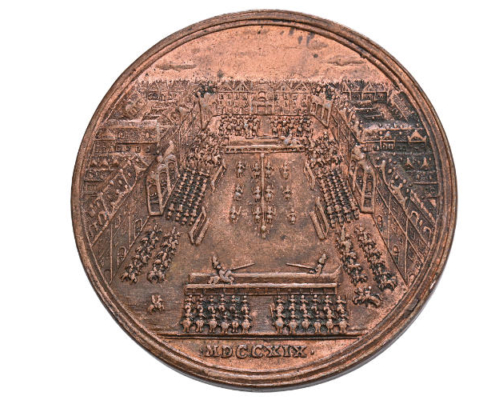
Bruno2023-06-07 10:29:512023-06-27 11:22:29The Wedding of a Century in Saxony
https://new.coinsweekly.com/wp-content/uploads/2023/06/2023KW23HA00.jpg
500
1000
Bruno
https://new.coinsweekly.com/wp-content/uploads/2023/01/logo-coinsweekly_590x204.png
Bruno2023-06-07 10:29:512023-06-27 11:22:29The Wedding of a Century in Saxony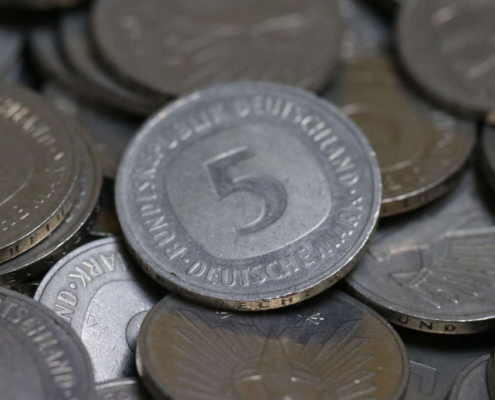 https://new.coinsweekly.com/wp-content/uploads/2024/08/2024KW35HA_00.jpg
684
860
Sebastian Wieschowski
https://new.coinsweekly.com/wp-content/uploads/2023/01/logo-coinsweekly_590x204.png
Sebastian Wieschowski2024-08-29 08:00:232024-08-29 09:45:04Marks and Pfennigs in Your Inheritance: What Should Heirs Do with Old DM Coins?
https://new.coinsweekly.com/wp-content/uploads/2024/08/2024KW35HA_00.jpg
684
860
Sebastian Wieschowski
https://new.coinsweekly.com/wp-content/uploads/2023/01/logo-coinsweekly_590x204.png
Sebastian Wieschowski2024-08-29 08:00:232024-08-29 09:45:04Marks and Pfennigs in Your Inheritance: What Should Heirs Do with Old DM Coins?
The Rhone Glacier Concludes the Swiss Glaciers Trilogy
With its new “Rhone glacier” coin, Swissmint pays tribute to the approximately 10-kilometer-long ice field that has been a popular tourist attraction in Switzerland since the 19th century. This coin marks the end of the “Swiss Glaciers” series.
New Exhibition at the British Museum Presents Recovered Gems
A new exhibition at the British Museum showcases some of the finest ancient gems in the museum’s collection. They include some of the pieces that were recently stolen and could be recovered thanks to the cooperation of coin dealers.