






Archive: People and Markets
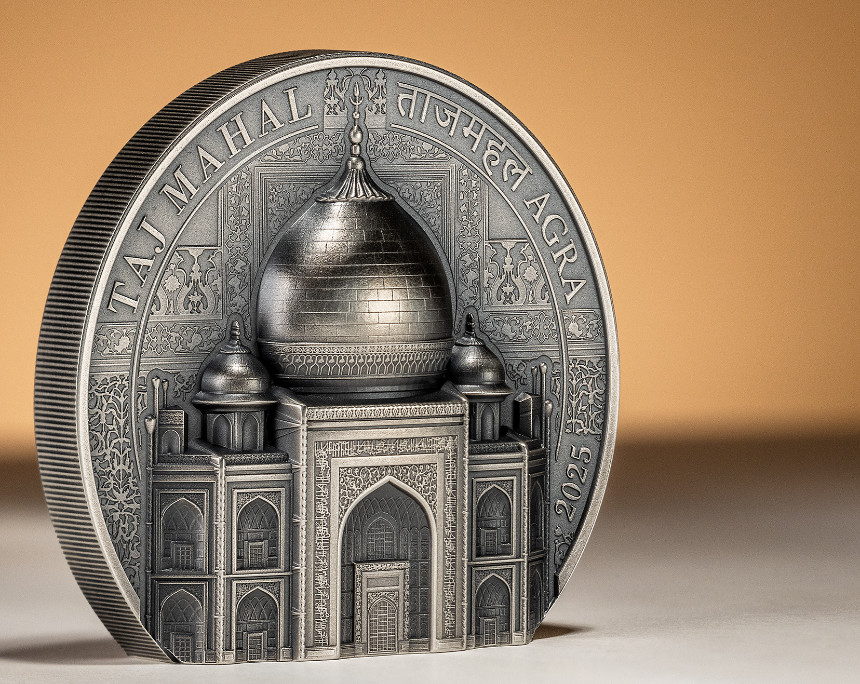
CIT’s Historical Monuments – Taj Mahal
The Taj Mahal is considered the most beautiful testimony to Islamic architecture in India and a symbol of love in stone. CIT chose this wonderful building as the subject of the 2025 issue in the Historical Monuments series.

World Money Fair ‘Minting Experience Centre’: Minting up Close!
The organizers of the World Money Fair have come up with something special for the upcoming event. The new Minting Experience Center that spans over 100 square meters showcases the production steps involved in minting coins. Guests will even have the chance to mint their own World Money Fair collector’s medal.
Archive: Coins, Medals and more
 https://new.coinsweekly.com/wp-content/uploads/2023/06/CoCo04_04-1.jpg
750
1000
Ursula Kampmann
https://new.coinsweekly.com/wp-content/uploads/2023/01/logo-coinsweekly_590x204.png
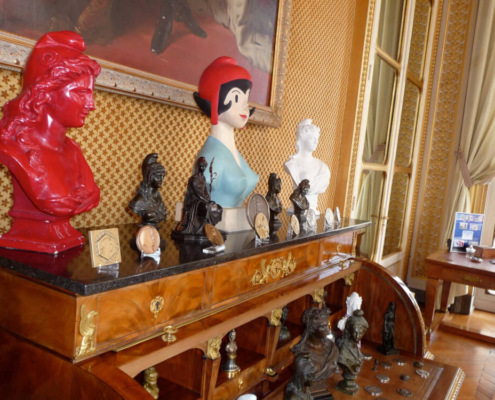
Ursula Kampmann2022-06-13 10:25:572023-06-27 10:30:06The French Marianne I: Marianne as a Representative of the French People – Part 1
https://new.coinsweekly.com/wp-content/uploads/2023/06/CoCo04_04-1.jpg
750
1000
Ursula Kampmann
https://new.coinsweekly.com/wp-content/uploads/2023/01/logo-coinsweekly_590x204.png
Ursula Kampmann2022-06-13 10:25:572023-06-27 10:30:06The French Marianne I: Marianne as a Representative of the French People – Part 1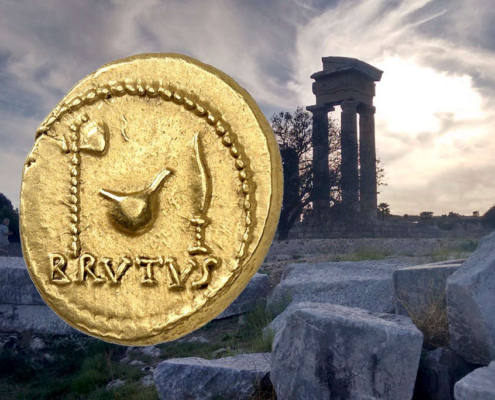 https://new.coinsweekly.com/wp-content/uploads/2024/10/2024KW40HA2_00.jpg
684
860
Bruno
https://new.coinsweekly.com/wp-content/uploads/2023/01/logo-coinsweekly_590x204.png
Bruno2024-10-02 13:24:392024-10-15 09:16:49Gold from Rhodes for the Battle for Rome
https://new.coinsweekly.com/wp-content/uploads/2024/10/2024KW40HA2_00.jpg
684
860
Bruno
https://new.coinsweekly.com/wp-content/uploads/2023/01/logo-coinsweekly_590x204.png
Bruno2024-10-02 13:24:392024-10-15 09:16:49Gold from Rhodes for the Battle for Rome
The South African Mint: Africa’s Largest Mint
At the end of my trip to South Africa, I have the unique opportunity to visit the South African Mint. I’m taking you along on my visit, and that’s something very special: normally, taking photos inside the South African Mint isn’t permitted!
Numisstaxx: The Launch of a New Innovative Platform
The new platform Numisstaxx aims to allow its users to easily digitalize and share coins and create certificates of authenticity in a forgery-proof environment.