







Archive: People and Markets

Rich and Poor in Early Tudor England
The Met Cloisters takes you into a merchant’s house in 16th-century England. Why did a rich man exhibit images of the poor? Intriguing objects tell us about tastes and self-expression. And you can expect coins to be there too!
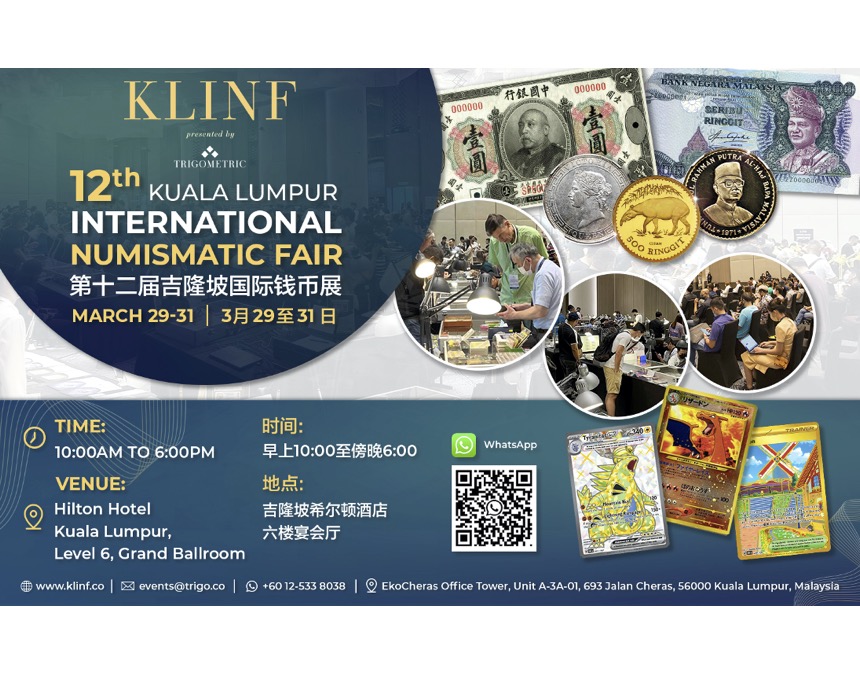
12th Kuala Lumpur International Numismatic Fair
Over 60 exhibiting companies will attend the Kuala Lumpur International Numismatic Fair, which will take place from March 29th to March 31st, 2024. Whether you’re a seasoned collector or a budding enthusiast, this event offers an opportunity to immerse yourself in the world of rare and valuable treasures.
Archive: Coins, Medals and more
 https://new.coinsweekly.com/wp-content/uploads/2024/05/2024KW19HA_00.jpg
684
860
Ursula Kampmann
https://new.coinsweekly.com/wp-content/uploads/2023/01/logo-coinsweekly_590x204.png
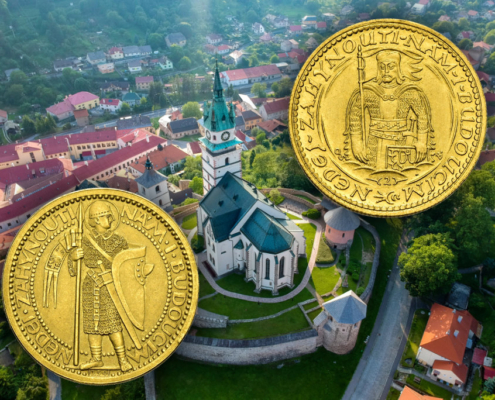
Ursula Kampmann2024-05-08 08:46:252024-05-08 08:46:25The First Years of Czechoslovak Coinage
https://new.coinsweekly.com/wp-content/uploads/2024/05/2024KW19HA_00.jpg
684
860
Ursula Kampmann
https://new.coinsweekly.com/wp-content/uploads/2023/01/logo-coinsweekly_590x204.png
Ursula Kampmann2024-05-08 08:46:252024-05-08 08:46:25The First Years of Czechoslovak Coinage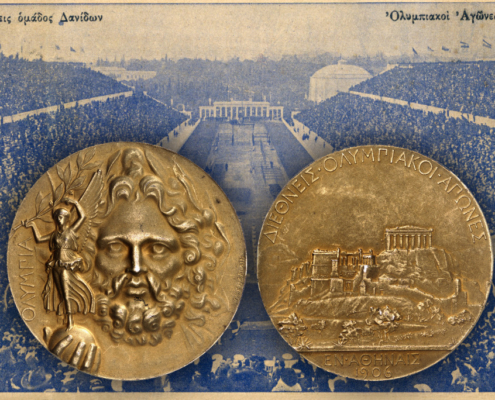 https://new.coinsweekly.com/wp-content/uploads/2024/05/2024KW21HA_00.jpg
684
860
Ursula Kampmann
https://new.coinsweekly.com/wp-content/uploads/2023/01/logo-coinsweekly_590x204.png
Ursula Kampmann2024-05-23 10:47:532024-05-23 11:04:37The Olympic Games That Are No Longer Recognized
https://new.coinsweekly.com/wp-content/uploads/2024/05/2024KW21HA_00.jpg
684
860
Ursula Kampmann
https://new.coinsweekly.com/wp-content/uploads/2023/01/logo-coinsweekly_590x204.png
Ursula Kampmann2024-05-23 10:47:532024-05-23 11:04:37The Olympic Games That Are No Longer Recognized
Our Event Sites for the Coin Fairs in Basel and Munich
On the last weekend in February and the first weekend in March, two coin fairs took place that we didn’t want to miss: First the Basel Coin Fair, then the NUMISMATA in Munich. You can find our impressions of the fairs on two event sites.
Thomas J. Uram to Become ANA’s 63rd President
Thomas J. Uram was elected the 63rd President of the American Numismatic Association. He will be sworn in at Pittsburgh World’s Fair of Money. View the results for the new Board of Governors.