






Archive: People and Markets
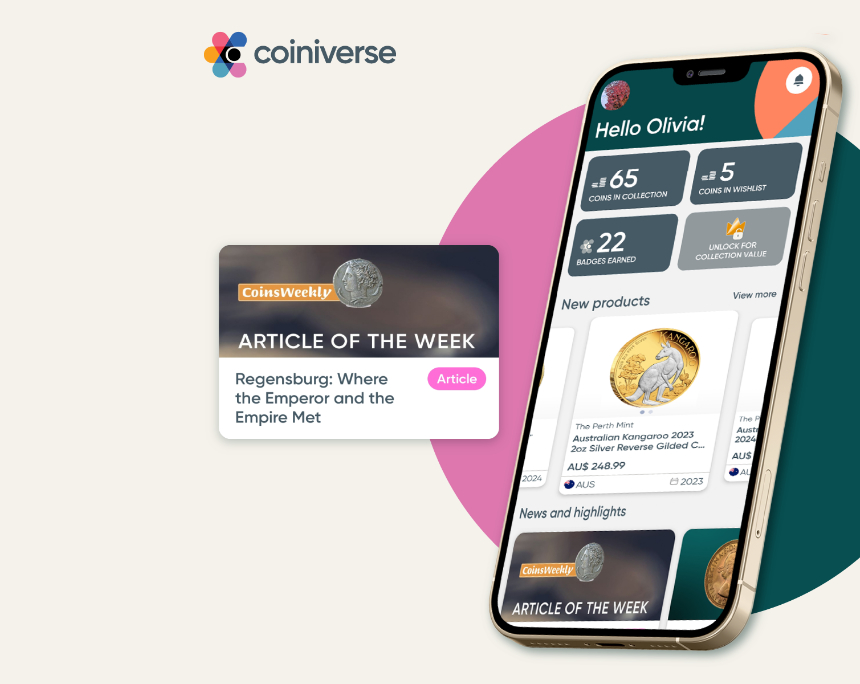
CoinsWeekly News in the Coiniverse App
The Coiniverse app helps its users identify coins and manage their own collections, while CoinsWeekly provides in-depth information on numismatic topics from around the world. As a new feature, Coiniverse users can now access CoinsWeekly articles directly in the app.
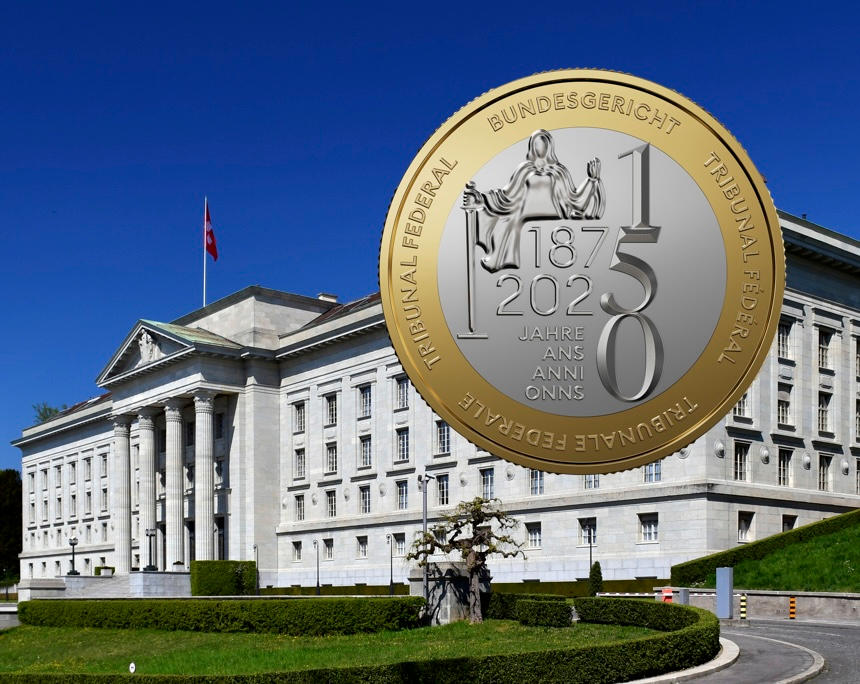
Bimetallic Coin Celebrates 150 Years of the Swiss Federal Supreme Court
With a 10-franc bimetallic coin, Swissmint commemorates the founding of the Federal Supreme Court of Switzerland 150 years ago. The coin is available today.
Archive: Coins, Medals and more
 https://new.coinsweekly.com/wp-content/uploads/2023/06/00_shutterstock_1926678794-Kopie.jpg
667
1000
Bruno
https://new.coinsweekly.com/wp-content/uploads/2023/01/logo-coinsweekly_590x204.png
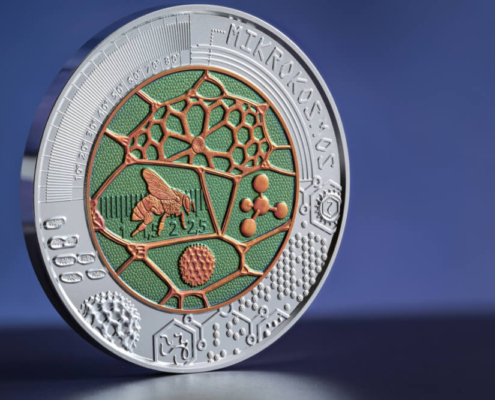
Bruno2022-06-13 11:36:162023-07-03 12:01:36Coloured Metal from Austria: Niobium Coins
https://new.coinsweekly.com/wp-content/uploads/2023/06/00_shutterstock_1926678794-Kopie.jpg
667
1000
Bruno
https://new.coinsweekly.com/wp-content/uploads/2023/01/logo-coinsweekly_590x204.png
Bruno2022-06-13 11:36:162023-07-03 12:01:36Coloured Metal from Austria: Niobium Coins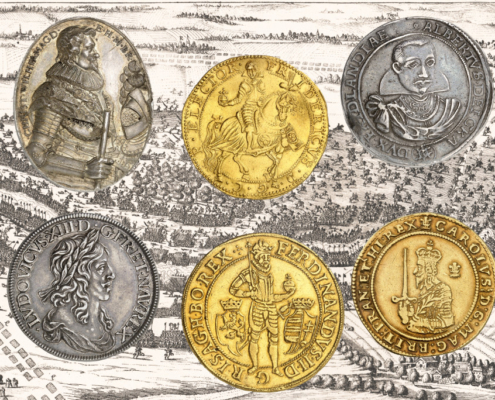 https://new.coinsweekly.com/wp-content/uploads/2024/09/2024KW37HA_00.jpg
684
860
Ursula Kampmann
https://new.coinsweekly.com/wp-content/uploads/2023/01/logo-coinsweekly_590x204.png
Ursula Kampmann2024-09-12 10:23:452024-09-12 10:23:45The Protagonists of the Thirty Years’ War: A Slightly Different Preview of Künker’s Auction 410
https://new.coinsweekly.com/wp-content/uploads/2024/09/2024KW37HA_00.jpg
684
860
Ursula Kampmann
https://new.coinsweekly.com/wp-content/uploads/2023/01/logo-coinsweekly_590x204.png
Ursula Kampmann2024-09-12 10:23:452024-09-12 10:23:45The Protagonists of the Thirty Years’ War: A Slightly Different Preview of Künker’s Auction 410
The Numismatic World Meets in Madrid: The Second Evento Numismático International
The second Evento Numismático Internacional will take place in Madrid at the end of June. This unique combination of coin fair and conference already attracted numerous visitors from around the world at its premiere last year. This time, Ursula Kampmann will lead an international session dedicated to change in the numismatic world.
Price Decline for Monaco Euro Coins – Is the Hype Over?
For many years, Euro coins from Monaco were regarded as true treasures among collectors. The exclusive mintings from the small principality were highly sought after, with prices seemingly heading in only one direction: steeply upwards. But now that trend appears to have come to an end—why?